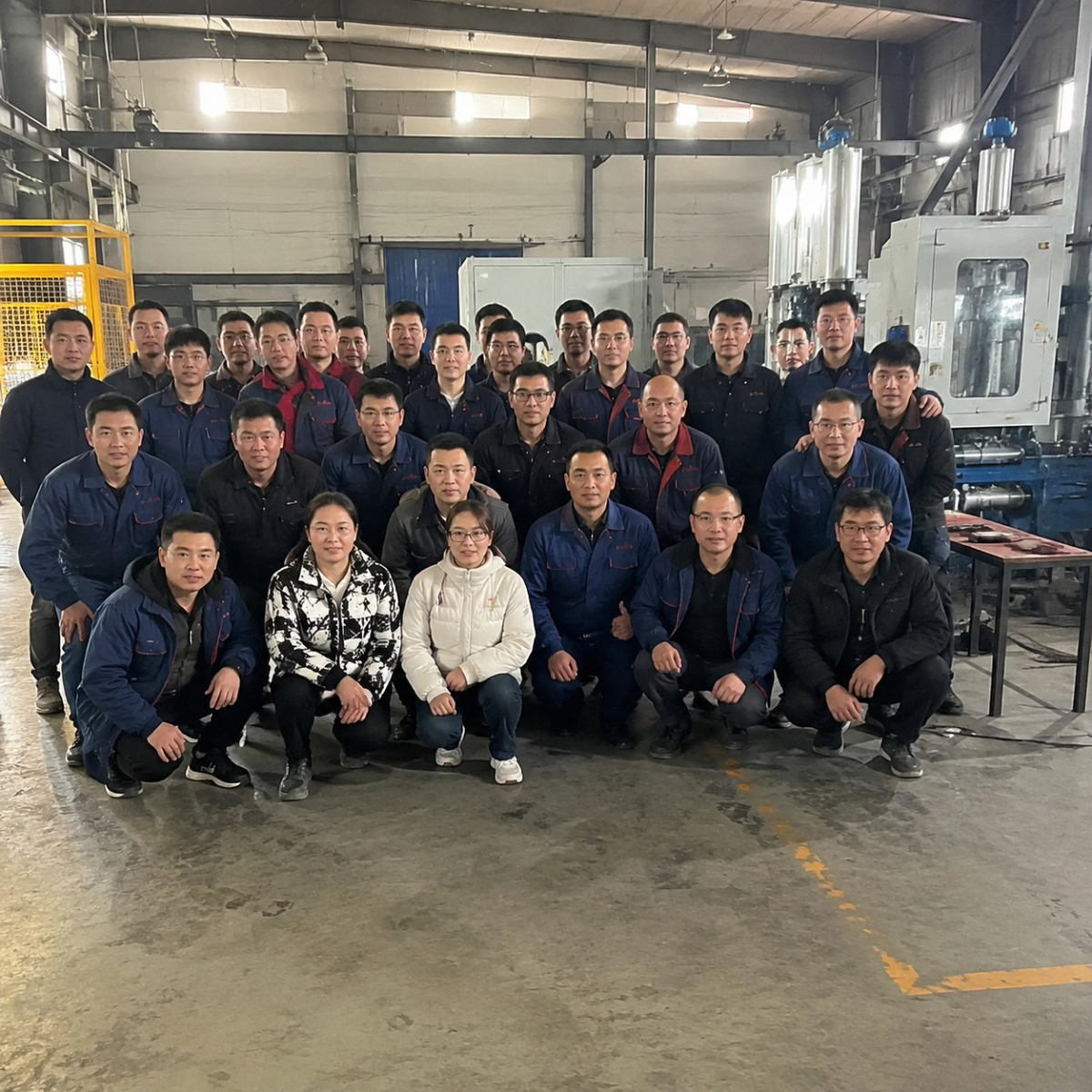
Resource Hub for Hair Dryer Development
Technical guides, engineering tools, safety files, packaging templates, development checklists, and factory insight resources prepared by Baile Technology for global hair dryer brands, importers, retailers, salon channels, and product teams.
- Baile provides structured resources for design review, engineering alignment, safety documentation, packaging planning, and factory validation.
- The hub groups materials into design guides, technical specifications, material standards, compliance files, SOP references, packaging tools, case learning, downloads, and factory clips.
- Each resource is connected to real manufacturing control points, including injection molding, component assembly, testing, aging, packaging inspection, and outgoing checks.
- Product, sourcing, quality, and packaging teams can use this hub as a shared reference before starting or reviewing a hair dryer project.
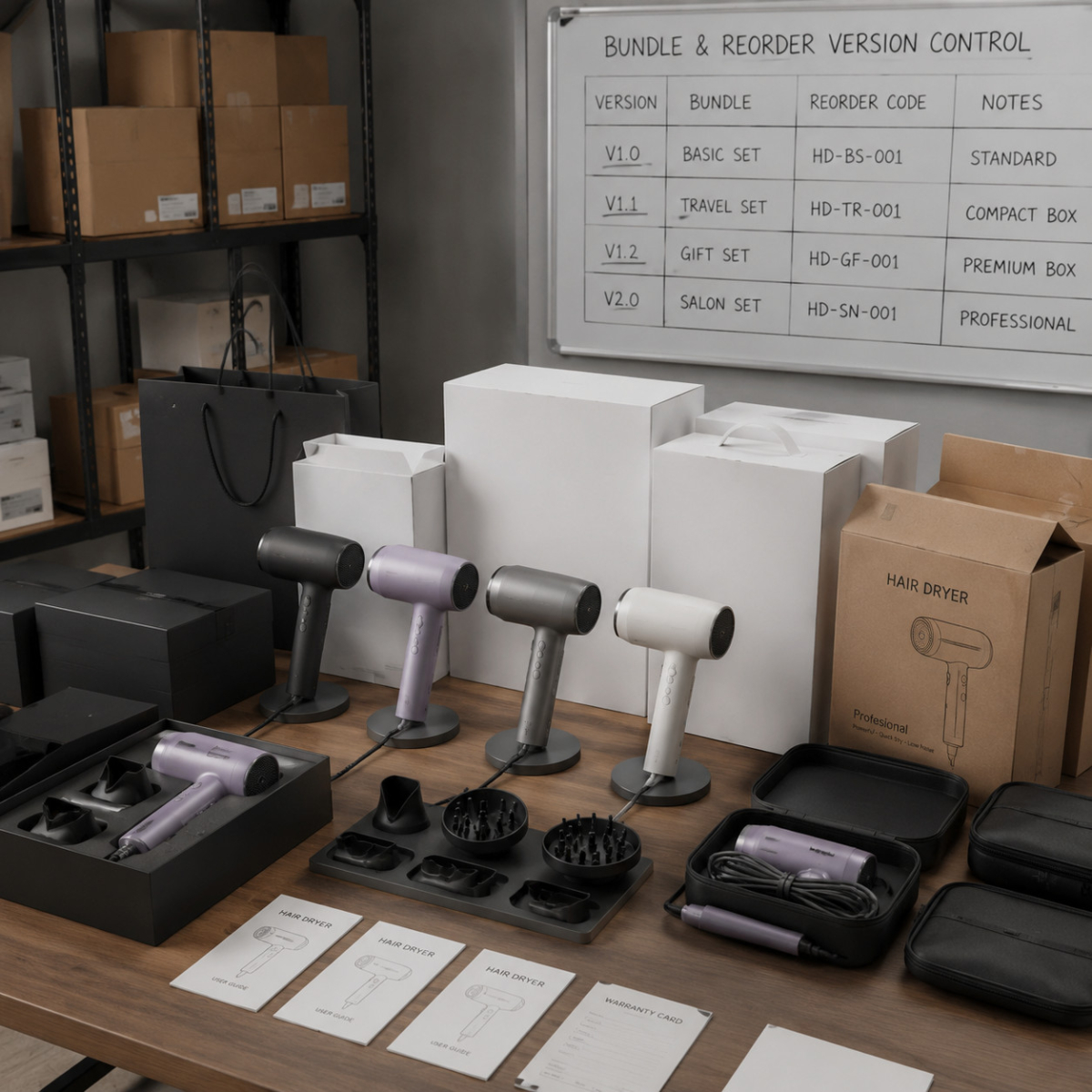
Hair Dryer Development Resource Categories
Baile uses this overview as the map for the development resource hub. It shows the main file groups available for product planning, engineering review, safety documentation, packaging preparation, factory validation, and project learning without repeating the full details of each section.
Design Guides
Baile places appearance, structure, handle, outlet, and nozzle references in this category. It points product teams to design considerations before sample, tooling, or packaging work begins.
Engineering Specs
Baile keeps measurable product data in this category, including power, voltage, motor, airflow, temperature, noise, plug, material, accessory, and packaging fields. It supports clearer RFQ and sample comparison.
Motor Notes
Baile uses this category to compare motor routes by product position. It covers brushless, brushed DC, AC, and application-specific airflow routes without turning the overview into a full engineering section.
Thermal Control
Baile groups heat-generation and protection references here. The category covers heating components, sensing parts, thermal cutoffs, and control logic as a gateway to the detailed thermal notes below.
Material Standards
Baile places plastic materials and surface finishing references in this category. It helps connect housing location, heat exposure, finish choice, appearance target, and production cost.
Testing Files
Baile keeps safety, performance, reliability, packaging, and outgoing inspection records in this category. It gives quality teams a file path for checking how a dryer is verified.
Packaging Tools
Baile groups retail, e-commerce, label, manual, carton, and shipment packaging references here. The category supports packaging alignment before artwork, labels, cartons, and inserts are finalized.
Factory Insights
Baile uses short clips and factory images to show where manufacturing and inspection control points happen. This category helps teams review factory evidence without reading a full SOP.
Design And Development Guides
Hair dryer development starts with choices that affect performance, comfort, appearance, packaging, and manufacturing cost. Baile provides design guide resources that connect visible product design with structure, grip, outlet layout, nozzle fitting, surface finish, and production feasibility.

ID Design Notes
Baile records ID design notes for body proportion, visual style, handle shape, color blocking, logo position, decoration parts, button placement, and packaging coordination. The guide focuses on how visible design decisions affect mold feasibility, grip comfort, surface processing, assembly structure, and brand recognition.

Air Duct Layout
Baile provides air duct layout references at the design-guide level, including inlet position, outlet shape, filter access, motor location, and nozzle interface. The goal is to keep early product drawings compatible with airflow, assembly, cleaning, and appearance requirements before deeper engineering review.
Handle Ergonomics
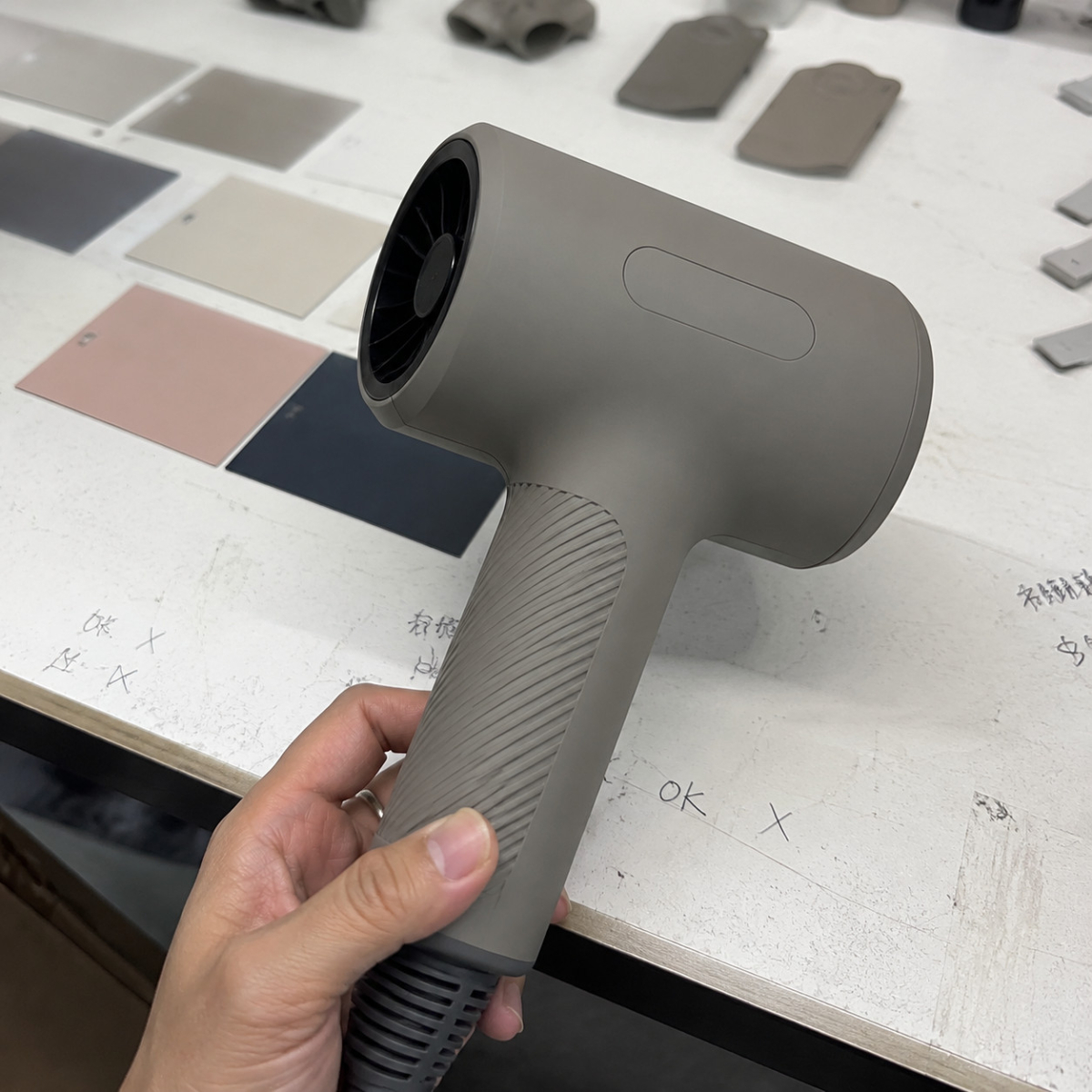
Baile organizes handle design resources for grip diameter, handle angle, center-of-gravity balance, switch position, cable pull direction, folding structure, wall-mounted take-off position, and long-use comfort. The files help match handle design with the product's real use scenario instead of treating it as decoration.

Nozzle Design
Baile prepares nozzle design notes for concentrators, diffusers, magnetic nozzles, comb nozzles, pet dryer nozzles, and hose connections. The guide focuses on interface shape, fitting direction, attachment feel, accessory layout, and whether the nozzle design supports the intended use case.
Engineering Specifications And Development Tools
Baile provides engineering specification sheets that turn development discussions into measurable fields. The files align product, sourcing, quality, and packaging teams around the same technical language before samples or production standards are confirmed.
| Resource Field | Baile Development Reference | Why It Matters |
|---|---|---|
| Rated Power | Common routes include low-power kids dryers, travel dryers, standard home dryers, salon dryers, pet dryers, and high-speed dryers. | Power affects heating speed, airflow design, temperature rise, wire specification, target market compliance, and product positioning. |
| Voltage & Plug | 100-120V, 220-240V, dual-voltage options, and US/EU/UK/AU/JP/KR plug adaptation can be organized by market. | Voltage and plug choices must match sales region, label content, manual language, packaging marks, and certification planning. |
| Motor Type | Brushless motor, brushed DC motor, AC motor, and application-specific motor routes are documented by product use. | Motor choice affects speed, cost, noise, durability, weight, product tier, and after-sales risk. |
| Air Speed & Airflow | Baile records airflow references by motor, impeller, duct section, inlet design, outlet size, and nozzle structure. | Air performance determines drying efficiency, salon productivity, pet comfort, and premium product experience. |
| Outlet Temperature | Low, medium, high, and controlled-temperature routes can be documented with thermal-control references. | Temperature stability affects hair-care claims, safety perception, user comfort, and material protection. |
| Noise Level | Noise resources connect motor speed, impeller balance, duct resistance, housing resonance, and assembly precision. | Noise affects salon use, hotel guest experience, pet acceptance, kids use, e-commerce reviews, and brand perception. |
| Housing Material | ABS, PC, PC+ABS, PP, PA66, heat-resistant nylon, and flame-retardant options can be mapped by structural position. | Material selection affects appearance, heat resistance, strength, cost, safety, and surface finish stability. |
| Accessories | Concentrator, diffuser, magnetic nozzle, comb nozzle, cleaning brush, storage bag, wall bracket, hose, and inner tray options. | Accessories influence product value, packaging layout, styling use, channel positioning, and user experience. |
Motor, Airflow And Thermal Development Notes
Baile organizes engineering notes around the systems that most directly affect hair dryer performance: motor route, airflow structure, heating component, thermal protection, noise behavior, and housing safety. These notes help connect technical specifications with real manufacturing control points.
Motor Routes For Different Product Positions
Baile documents several motor routes instead of treating motor selection as a single upgrade path. High-speed brushless motor routes support premium dryers that need higher speed, compact structure, lighter body design, fast-drying performance, and stronger retail differentiation. Brushed DC motor routes support cost-controlled home, travel, and mass retail models where mature structure, stable production, and price control are important. AC motor or higher-airflow motor routes can support salon-style projects that need stronger continuous-use performance, durable operation, and professional drying efficiency.
Production control points include:
- Motor model confirmation against the approved specification sheet.
- Rotation, noise, vibration, and current checks during incoming or assembly stages.
- Motor fixing structure and impeller matching checks during assembly.
- Functional tests after full-unit assembly to confirm speed settings and stability.
Baile connects motor documentation with product positioning, target price band, airflow expectation, noise target, durability risk, and after-sales control.
Airflow Structure Behind Drying Performance
Baile treats airflow as a system formed by inlet area, filter resistance, motor speed, impeller design, duct section, heating frame position, outlet size, sealing structure, and nozzle matching. A dryer with high rated power does not automatically provide better drying experience if duct resistance is high, air leakage is uncontrolled, or nozzle fit reduces usable airflow. Baile records airflow development notes to make wind speed, airflow, temperature, and noise easier to review together.
Production control points include:
- Inlet and filter structure checks to reduce blockage and hair suction risk.
- Impeller and motor matching checks to control vibration and abnormal sound.
- Duct assembly checks to reduce leakage, rattling, and temperature imbalance.
- Wind speed and airflow testing according to product type and project requirement.
Baile keeps this section for performance-driven categories where airflow must be reviewed before styling claims, comfort claims, or packaging claims are finalized.
Thermal Control For Safety And User Experience
Baile documents heating and thermal-control resources around mica heating frames, nichrome wire, wave heating wire, PTC options, NTC temperature sensing, thermostat switches, thermal fuses, and control-board protection logic. Thermal design affects outlet temperature, housing temperature, user comfort, safety perception, continuous-use behavior, and product life. The resource files connect heating component selection with duct layout, material choice, insulation distance, and testing checkpoints.
Production control points include:
- Heating component placement and insulation checks during assembly.
- Outlet temperature testing across heat settings.
- Temperature rise checks around housing, handle, outlet, cord area, and internal components.
- Aging tests to observe motor, heating, thermal protection, odor, abnormal sound, and shutdown behavior.
Baile presents thermal-control content as both a safety resource and a product-experience resource, especially for premium, salon, kids, pet, and export-market hair dryer projects.
Material Standards Knowledge Base
Baile organizes material references for housing structure, heat-area protection, surface finish, and accessory parts. This section focuses on material behavior and surface finish decisions instead of repeating the broader engineering specification list.
Housing Materials
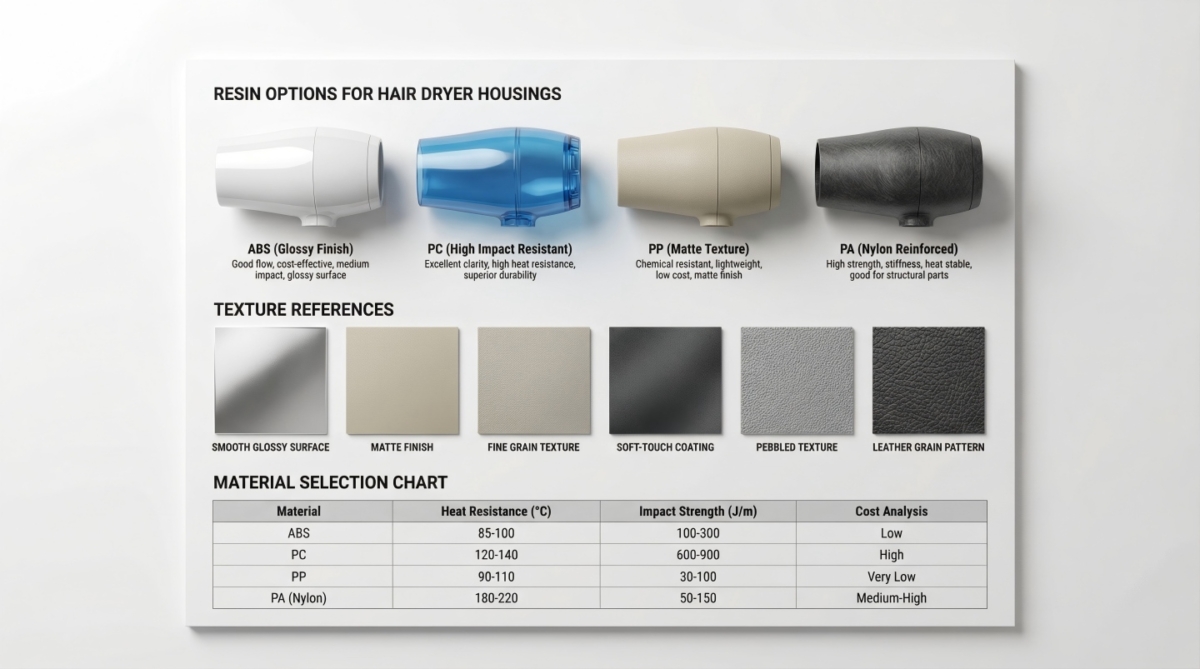
Baile records housing material references for ABS, PC, PC+ABS, PP, PA66, heat-resistant nylon, and flame-retardant options. The knowledge base connects each material with body shell, handle, outlet area, filter frame, nozzle, wall bracket, or decorative part requirements.
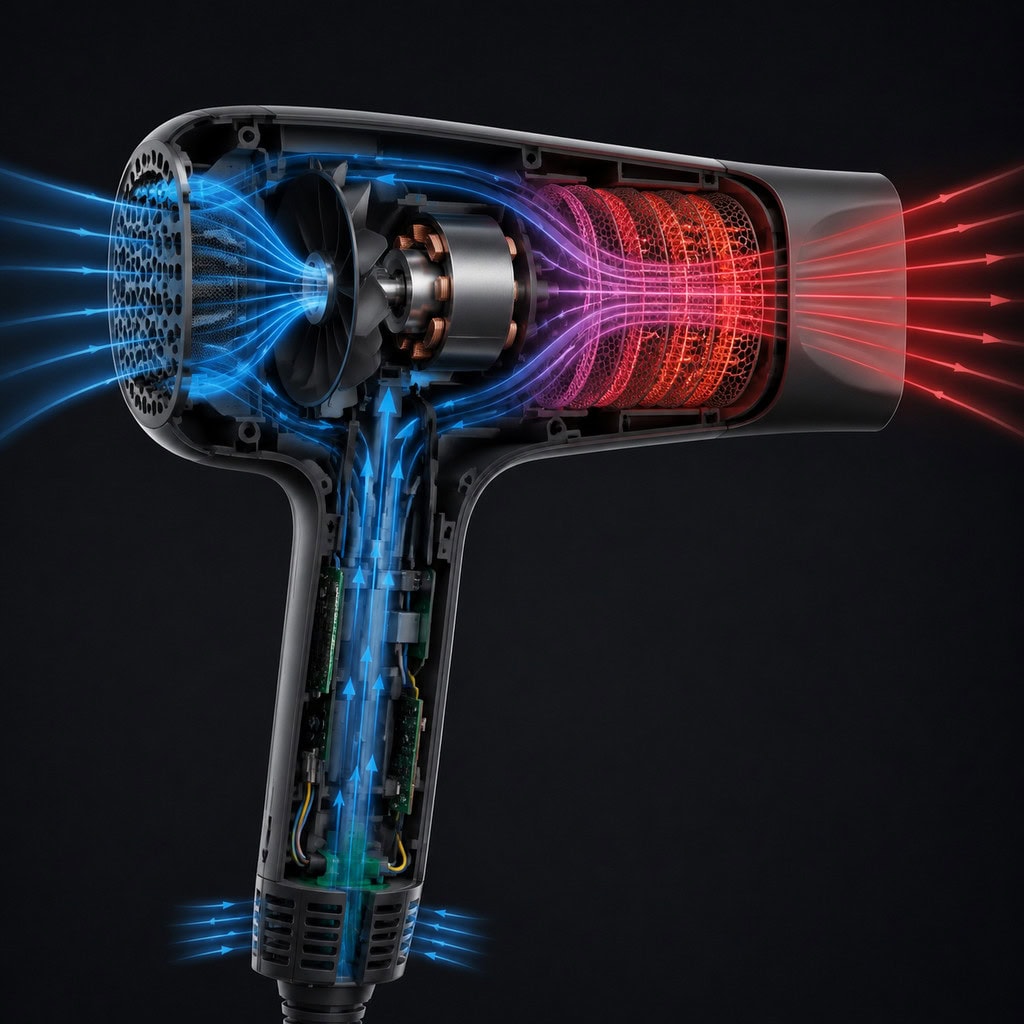
Heat-Area Protection
Baile pays special attention to material use around the outlet, heating frame area, internal air channel, and structural points near high-temperature airflow. These locations require stronger heat-resistance review than general housing surfaces. Material notes explain how duct layout, outlet temperature, insulation distance, and temperature-rise tests work together.

Surface Finishing
Baile documents surface options such as matte finish, glossy finish, metallic paint, UV coating, spray painting, soft-touch coating, decorative plating effect, and local trim treatment. The resource links finish choice with appearance grade, hand feel, abrasion risk, color difference control, logo method, and packaging protection.

Color Control
Baile uses color standards, approved samples, surface-process confirmation, first-piece checking, and batch appearance inspection to support color consistency. The material knowledge base explains why color should be confirmed through real samples rather than screen images, especially for private label dryers, retail colors, gift sets, and premium finishes.
Compliance, Testing And Safety Files
Baile organizes compliance and testing resources according to product model, rated power, voltage, plug type, sales region, and channel requirements. Certification and safety files depend on the exact product configuration and target market, so Baile keeps documentation structured around market needs and product-specific testing.
| Resource Type | Baile File Direction | Notes For Development Review |
|---|---|---|
| EU Market Files | CE, LVD, EMC, RoHS, REACH, ErP-related references where applicable. | File preparation depends on product model, voltage, power, material, and sales channel. |
| UK Market Files | UKCA and RoHS-related references where applicable. | UK packaging, labels, manuals, and plug requirements must be checked with product configuration. |
| North America Files | FCC, ETL, UL, cETL, cUL, and safety documentation references where applicable. | Hair dryer projects for this market require careful review of electrical safety, plug, label, and platform requirements. |
| Japan Market Files | PSE-related references where applicable. | Voltage, plug, label content, and Japanese manual requirements should align with product model. |
| Korea Market Files | KC-related references where applicable. | Product type, electrical configuration, and labeling details affect documentation preparation. |
| Australia / New Zealand Files | SAA or RCM-related references where applicable. | Plug, voltage, warning labels, and electrical documentation should be reviewed together. |
| Electrical Safety Tests | Hi-pot, insulation, leakage current, grounding where applicable, power, voltage, and current checks. | These files support electrical risk control and product-specific quality discussions. |
| Reliability Tests | Aging test, temperature rise, outlet temperature, noise, cord swing, button life, drop, vibration, and AQL records. | Testing items can be aligned with product type, target channel, and customer quality requirements. |
Production Flowcharts And SOP Library
Baile prepares production flowcharts and SOP references for key factory stages. This section shows where control points appear in manufacturing, while the video section later shows selected points in visual form.
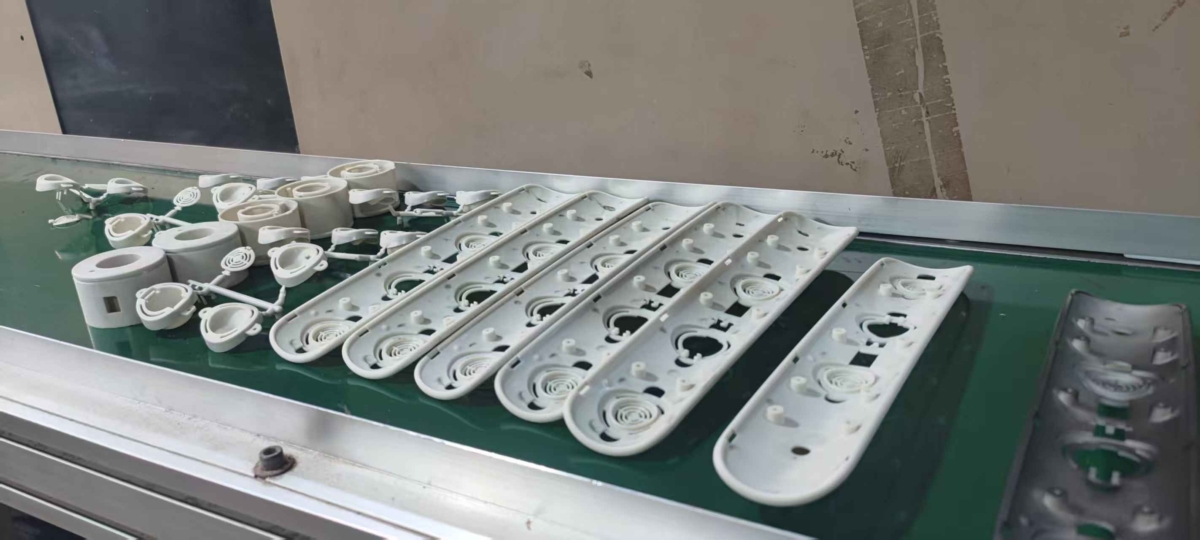
Injection Molding Flow
Baile records injection molding control points for housing shells, handles, nozzles, filter frames, wall brackets, and decorative parts. Flowcharts cover material preparation, mold setup, first-piece confirmation, appearance checks, shrinkage review, burr control, and part release before assembly.

Motor Assembly SOP
Baile documents motor assembly checkpoints including motor model confirmation, impeller installation, fixing structure, wire connection, rotation stability, vibration observation, abnormal sound review, and fit inside the air duct. These SOP references connect motor assembly quality with wind speed, noise behavior, and operating life.
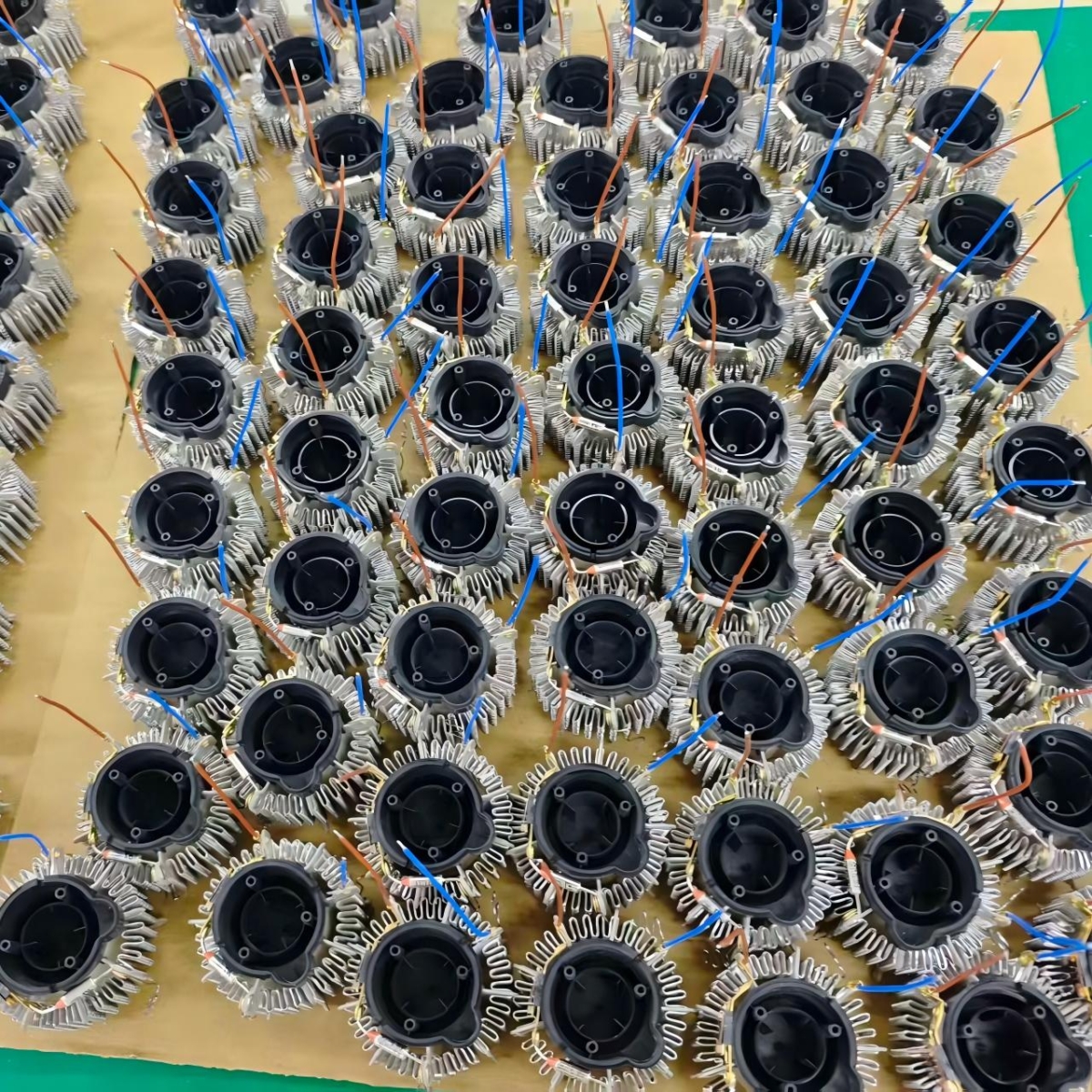
Heating Element SOP
Baile organizes heating component SOP resources around mica frames, heating wire position, thermostat placement, thermal fuse position, insulation distance, fixing stability, and air duct spacing. These files support safer assembly and make outlet temperature, temperature rise, and continuous-use behavior easier to control.
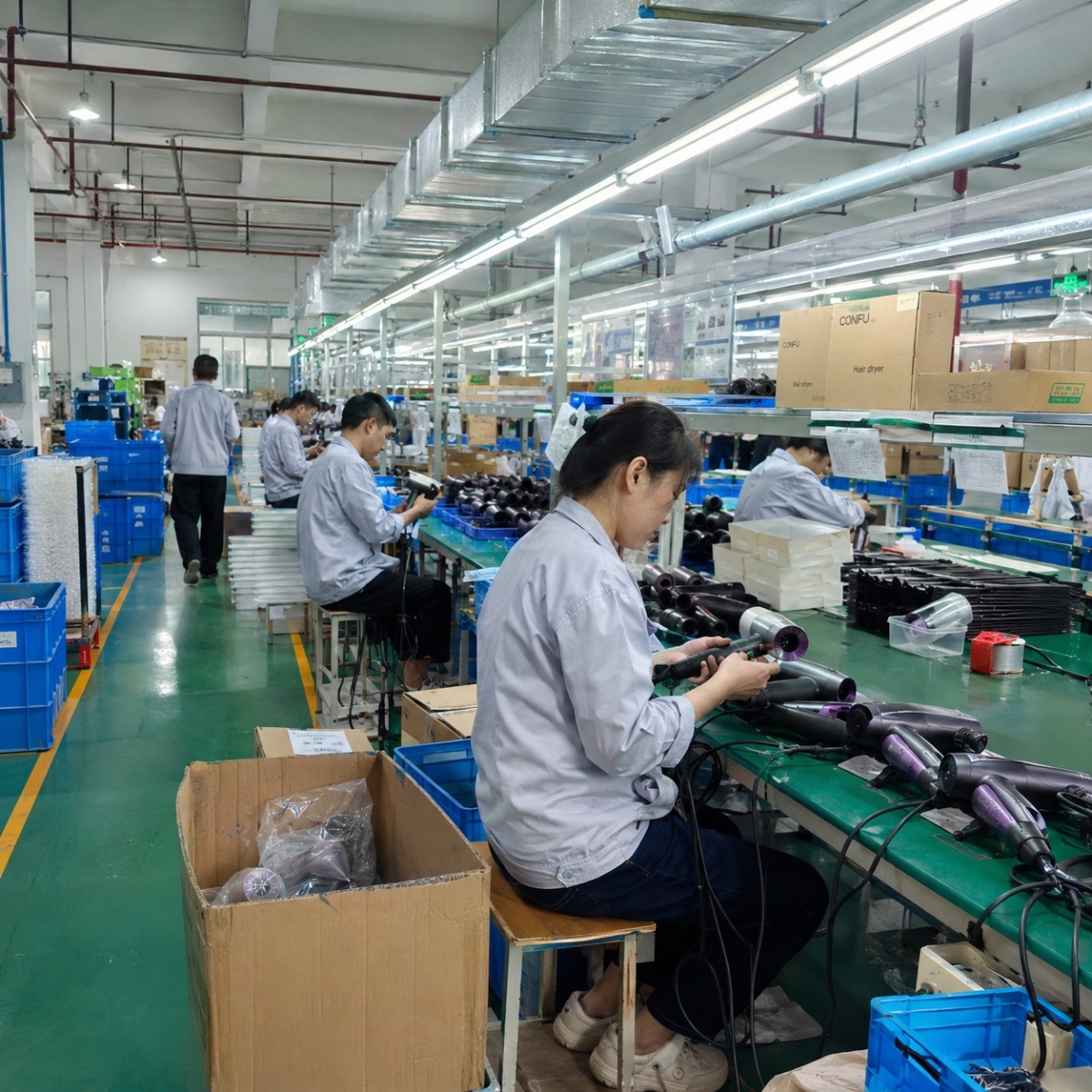
Air Duct Assembly
Baile prepares air duct assembly references covering inlet filter, motor seat, impeller, duct sealing, heating frame alignment, outlet section, and nozzle connection. This resource shows how structural assembly affects airflow efficiency, temperature balance, noise control, leakage reduction, and batch consistency.
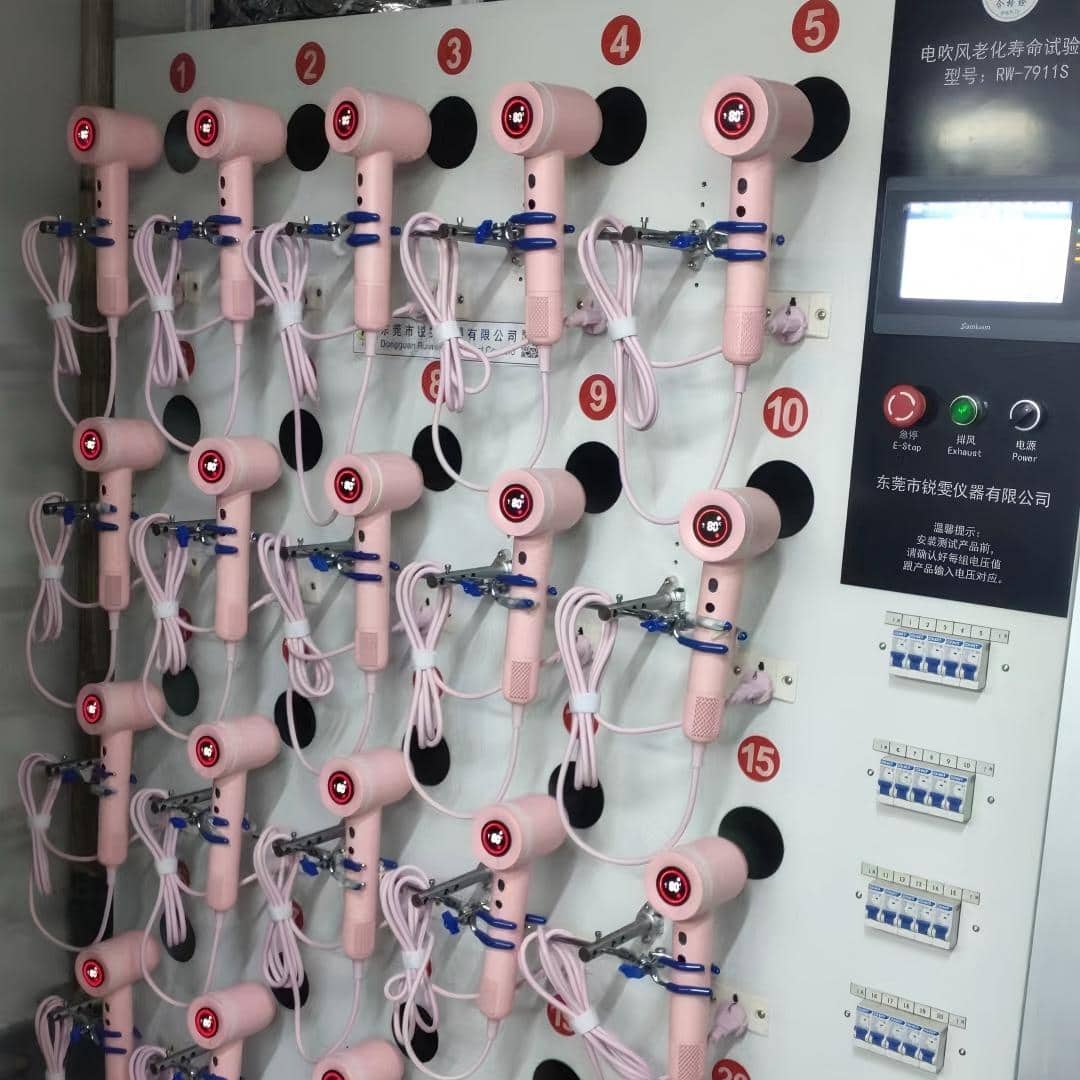
Aging Test SOP
Baile aging test resources record how finished hair dryers are operated to observe motor stability, heating behavior, airflow change, outlet temperature, protection response, abnormal odor, abnormal sound, and unexpected shutdown. Aging checks help identify operating issues before packaging and outgoing inspection.
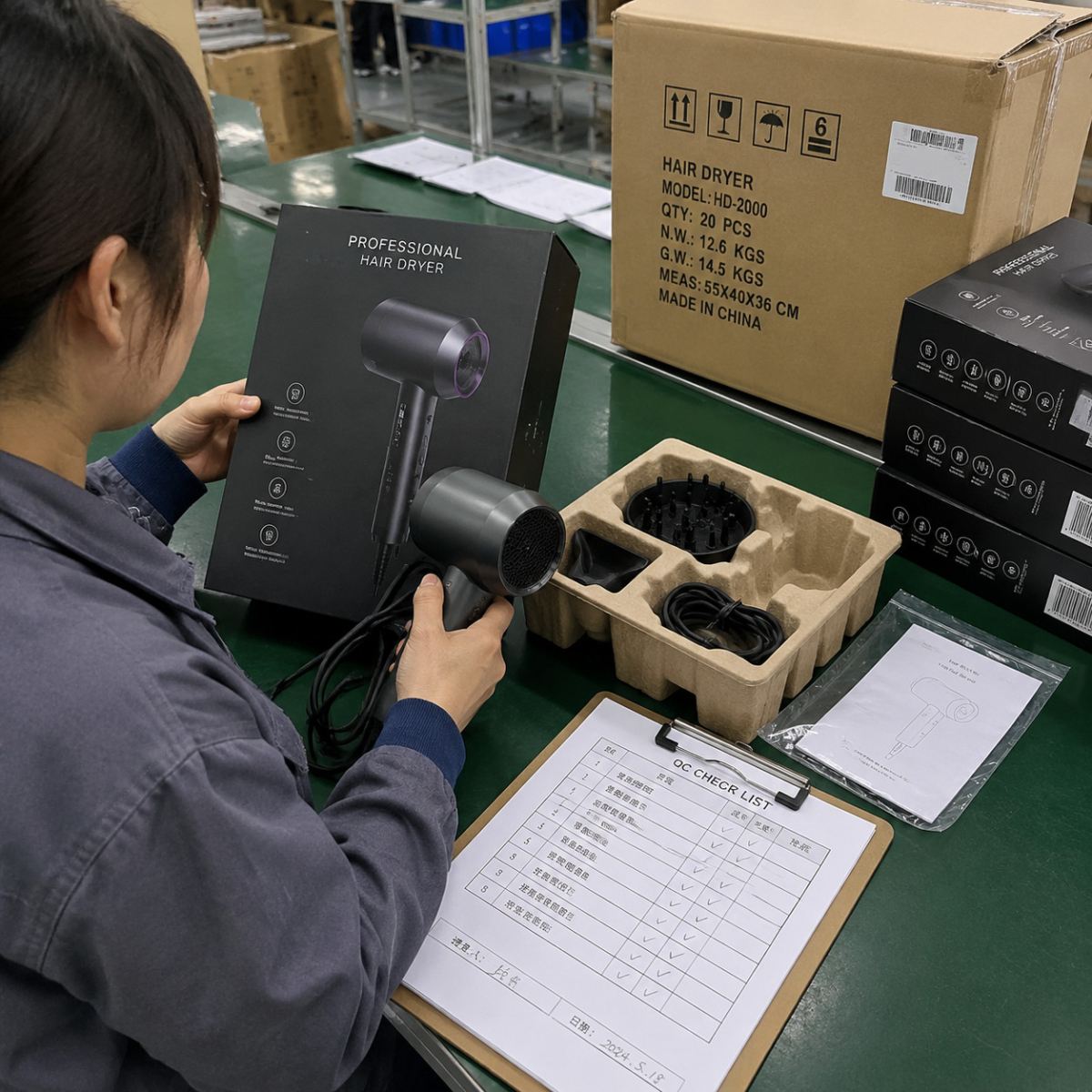
Final Inspection Flow
Baile final inspection resources cover appearance, function, performance checks, plug and cord, nozzle fit, accessories, manuals, labels, carton marks, packaging version, and outgoing AQL checks. These flowcharts connect production output with shipment readiness.
Packaging And Label Resources
Baile organizes packaging and label resources for retail, e-commerce, import, salon, hotel, and gift channels. This section focuses on packaging documents and label control, not general product development.
Retail Box Files
Baile prepares retail box resources covering front-panel selling points, product image area, rated power, voltage, plug information, accessory layout, certification marks where applicable, barcode position, safety text, and color consistency.
Gift Box Files
Baile gift box resources include box structure, inner tray placement, accessory presentation, storage bag layout, brand card position, instruction manual placement, protective insert, and premium finish references. These files support gift sets, DTC launches, holiday projects, and higher-value retail packaging.
FBA Label Files
Baile documents FBA packaging references for FNSKU labels, SKU labels, barcode placement, warning labels, outer carton labels, carton size, gross weight, net weight, quantity per carton, anti-mixing control, and pre-shipment packaging checks. These resources are useful for Amazon-oriented hair dryer projects.
Barcode And SKU
Baile label resources cover UPC, EAN, SKU, product labels, carton labels, customer item numbers, batch labels, and channel-specific stickers. Label files are checked against product model, color, plug type, packaging version, and carton information to reduce warehouse, retail, and platform errors.
Manual Resources
Baile prepares manual references for operation steps, speed and heat settings, cleaning instructions, filter maintenance, voltage and plug notes, safety warnings, warranty information, and multi-language layouts. Manual clarity is especially important for electrical products, multi-function dryers, and export-market packaging.
Carton Mark Files
Baile carton mark resources include product model, order reference, quantity, carton number, gross weight, net weight, carton size, destination mark, handling symbol, barcode, and shipment reference for warehouse and shipment control.
Case Study Library And Learning Center
Baile organizes representative project learning files to show how development resources are used in real hair dryer projects. Each case file links a use scenario with engineering review, testing focus, packaging control, and production documentation without exposing confidential customer information.
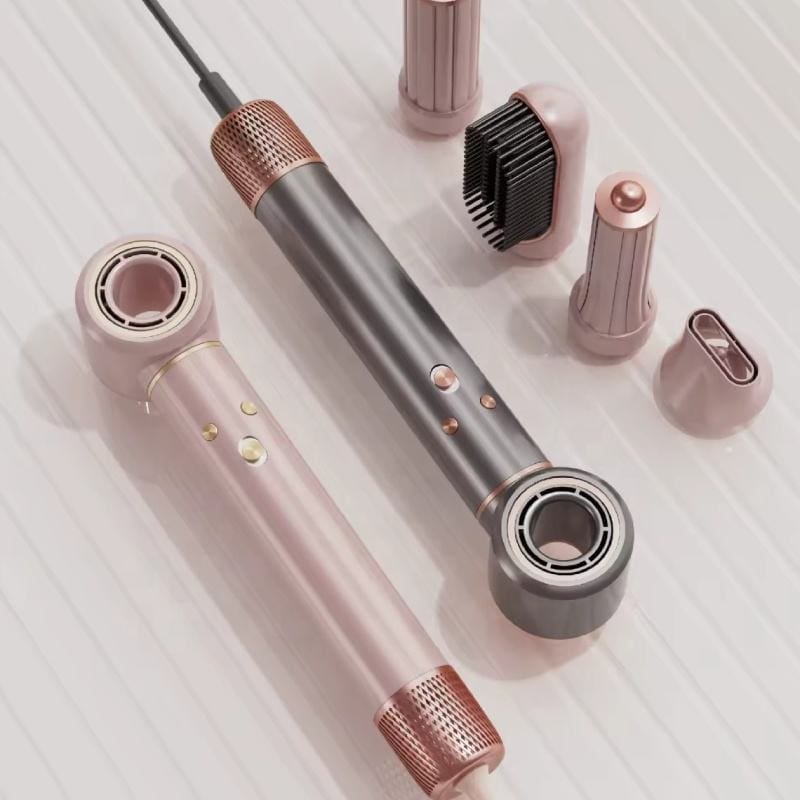
High-Speed Dryer
Use Scenario: Premium personal care brand development.
Key Challenge: The project needed fast-drying performance, compact housing, controlled outlet temperature, low-noise perception, and premium packaging.
Baile Solution: Baile organized motor route notes, airflow structure references, temperature-control files, surface finish samples, and packaging layout resources.
Result: The project moved from sample review to production-ready documentation with clearer specifications.
Project Data: Representative scope: brushless motor dryer, private label packaging, multi-language manual, function test, temperature test, noise review, and aging check.

Salon Dryer
Use Scenario: Professional salon channel product review.
Key Challenge: The project needed stronger airflow, durable operation, comfortable grip, stable nozzle fitting, and clear testing references for frequent use.
Baile Solution: Baile provided motor notes, handle ergonomics resources, cord and switch control points, nozzle fitting references, and performance test items.
Result: The case file created a clearer review path for product, sourcing, and quality teams.
Project Data: Representative scope: salon-style dryer, concentrator and diffuser review, cord swing focus, outlet temperature check, aging test, and final inspection.

Hotel Dryer
Use Scenario: Hotel and hospitality hair dryer preparation.
Key Challenge: The project required durable housing, stable wall-mounted use, consistent packaging, clear installation accessories, safety notes, and batch delivery control.
Baile Solution: Baile prepared wall bracket references, safety instruction files, carton mark resources, packaging checklists, and outgoing inspection control points.
Result: The case file helped align product, packaging, installation, and delivery information before shipment.
Project Data: Representative scope: wall-mounted dryer, bracket accessory set, safety note, carton mark, packaging inspection, and batch traceability records.
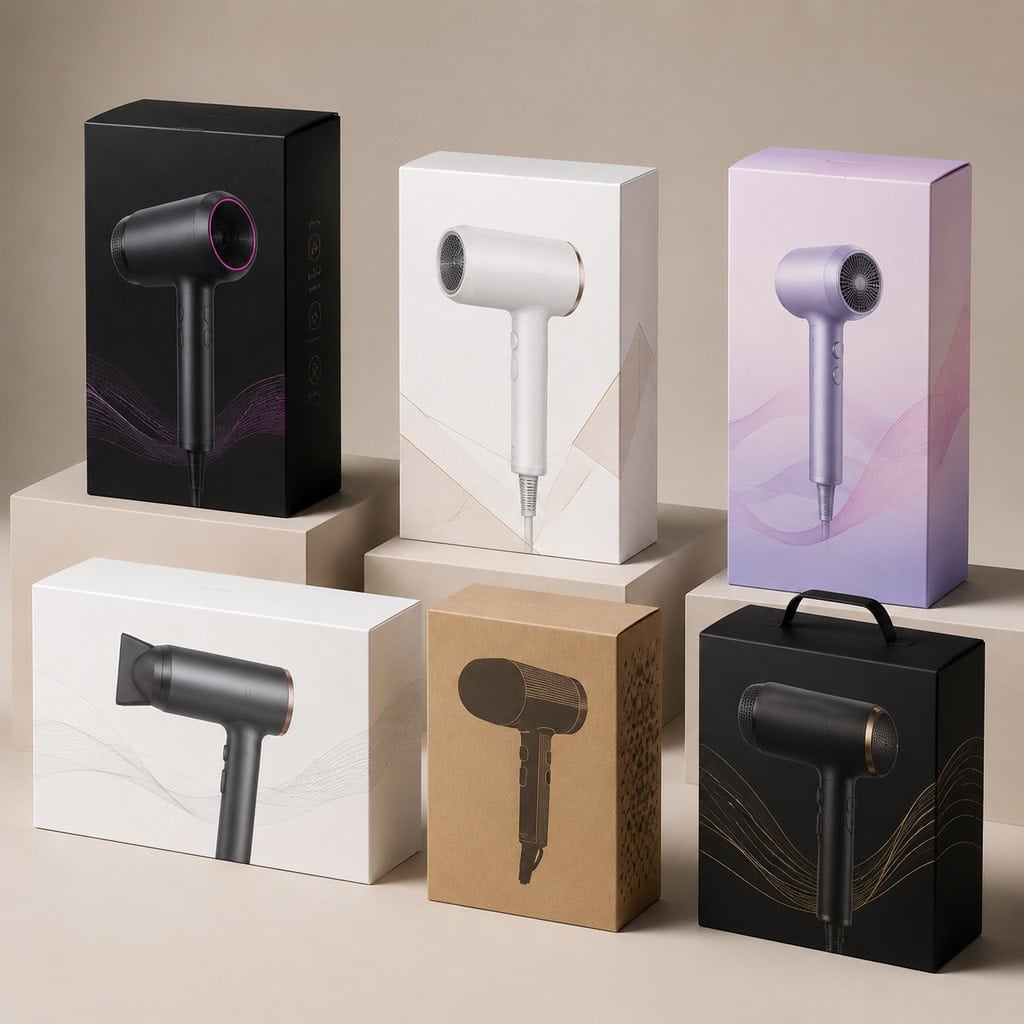
Packaging Upgrade
Use Scenario: E-commerce and retail packaging improvement.
Key Challenge: The project needed stronger shipping protection, correct labels, clear manuals, better accessory placement, and fewer packaging mistakes before dispatch.
Baile Solution: Baile organized inner tray references, barcode and SKU files, FBA label notes, manual layout files, carton mark resources, and packaging inspection points.
Result: The project documentation improved packaging consistency and pre-shipment review.
Project Data: Representative scope: color box, inner tray, user manual, SKU label, export carton, drop-related packaging review, and OQC packaging checks.
Download Center For Hair Dryer Development
Baile prepares four practical downloads for development review. Each file has a different role: product direction, technical specification, sample approval, or packaging requirement.
Development Checklist
Baile's Hair Dryer Development Checklist organizes the first decisions that shape a new project: product type, market position, key performance target, material direction, accessory set, packaging type, and documentation needs. It supports early internal alignment before sampling.
Specification Sheet
Baile's Engineering Specification Sheet turns project requirements into measurable fields. It is designed for RFQ comparison, sample review, internal approval, and production standard confirmation.
Sample Checklist
Baile's Sample Approval Checklist helps lock the visible, functional, packaging, and label details that matter before mass production. It reduces the risk of approving a sample without checking the details used later for inspection.
Packaging Template
Baile's Packaging Requirement Template organizes box structure, inner protection, manual language, labels, carton marks, and shipment information. It gives packaging and sourcing teams one place to align artwork, labels, cartons, and inserts.
Video Tutorials And Factory Insight Clips
Baile uses short factory clips and tutorial-style videos to make selected factory control points visible. This section complements the SOP library by showing practical scenes rather than repeating process documents.
Wind Speed Test
Baile video clips can show wind speed testing at the outlet, including test position, product setting, nozzle condition, and data recording. The clip helps connect airflow claims with actual inspection practice.
Aging Test Room
Baile aging test clips can show finished units running under controlled conditions to observe motor behavior, heating stability, airflow changes, abnormal sound, odor, and protection response before packaging.
Injection Molding
Baile factory insight clips can show plastic part production for shells, handles, nozzles, filter frames, brackets, and decorative parts. These videos explain how molding control affects appearance and assembly quality.
Assembly Line
Baile assembly clips can show motor installation, heating component assembly, wire routing, PCB connection, housing closure, button fitting, nozzle matching, and function checks. The focus is assembly consistency.
Packaging Check
Baile packaging clips can show manual placement, accessory confirmation, inner tray fitting, color box inspection, barcode label check, carton mark review, and carton sealing for packaging consistency.
Quality Inspection
Baile inspection clips can show function testing, outlet temperature checks, noise observation, hi-pot testing where applicable, appearance inspection, nozzle fitting checks, and outgoing control before shipment.
Start Your Hair Dryer Project With BAILE
BAILE supports projects that begin with a specification sheet, reference model, product photo, existing sample, packaging artwork, private label request, or new market requirement. Clear information helps BAILE recommend a practical dryer route and reduce repeated clarification.
Project Brief Checklist:
- Hair dryer line, reference model, product photo, or sample.
- Target market, sales channel, estimated quantity, and order plan.
- Plug, voltage, frequency, rated power, motor, heater, airflow, temperature, and function needs.
- Logo, color, finish, label, manual, packaging, barcode, and carton mark requirements.
- Nozzle, diffuser, comb, stand, bracket, or accessory list.
- Certification route, sample purpose, destination, shipping term, launch timeline, and target price if available.