
Hair Dryer Motor and Airflow Options for OEM/ODM Projects
Match the motor, impeller, air path and controls to your market, use case, price position and verification targets.
Baile Technology develops standard brushed DC, higher-performance DC, AC and high-speed brushless motor routes for custom hair dryer projects. We match each platform with the impeller, inlet, filter, duct, sealing, outlet, attachments, heating system and controls. Our engineering process defines comparable test conditions for RPM, air speed, air volume, noise and temperature, then converts approved sample results into production control points for repeatable bulk manufacturing. This gives procurement and engineering teams a defined route from the first specification to an approved production configuration.
- Motor platforms aligned with product use and market position
- Complete airflow-path development, not an isolated motor swap
- Air speed and air volume measured as different performance metrics
- Model-specific test conditions agreed before sample acceptance
- Approved performance translated into production inspection controls

Define Six Inputs Before Selecting a Motor
A workable motor and airflow specification starts with the product context. Baile connects six project inputs to the electrical platform, mechanical layout, thermal system and validation scope. Defining these inputs early prevents an impressive isolated RPM figure from becoming a poor fit for the intended market, user or price position.
Market and Voltage
Sales countries determine the rated-voltage route, plug configuration, label information and certification scope. Baile aligns the motor, heating system and controls with the intended 100–120 V or 220–240 V project platform where applicable. Final electrical specifications and compliance work remain tied to the selected model and destination market.
Use and Duty Cycle
A travel dryer, household model and professional salon dryer face different operating frequency, continuous-use, weight and durability priorities. Baile uses the intended application and duty cycle to set the motor-platform direction, thermal margin and validation plan instead of applying one configuration to every product category.
Price and Volume
Target retail position, project cost and forecast order volume define a realistic engineering range. Baile can use an existing platform for cost-controlled programs, adjust functional configurations for differentiated products, or develop a new ODM structure. The selected depth changes the motor, electronics, tooling, MOQ and sample path.
Air Performance Targets
Baile separates air speed in m/s from air volume in m³/min and connects both to the intended drying or styling result. A useful brief also identifies the test gear, measurement distance, operating setting, voltage, outlet and attachment state, so sample data can be compared under repeatable conditions.
Noise and Ergonomics
Noise, vibration, product weight, housing size and grip comfort interact with motor speed, impeller balance, mounting and shell structure. Baile reviews these targets together. Reducing one issue can affect airflow, dimensions or cost, so the approved configuration records the accepted balance rather than optimizing a single metric in isolation.
Controls and Attachments
Speed and heat settings, cool-shot control, temperature protection, inlet filters, concentrators and diffusers all change system behavior. Baile includes the final control logic and attachments in airflow and temperature verification. This keeps the approved user configuration, rather than an unrepresentative bare outlet, at the center of development.
Compare Motor Platforms by Product Application
Baile supports four practical motor routes for OEM and ODM hair dryer development. The RPM ranges below are typical references, not fixed specifications for every model. Motor selection also depends on voltage, use pattern, cost, weight, acoustics, service-life target and the complete airflow and heating system. We confirm final performance through project samples tested under agreed conditions. The matrix helps teams start a technical discussion with a realistic platform direction before detailed engineering and quotation.
| Motor platform | Typical RPM reference | Product and application fit | Main priorities and trade-offs | Sample evidence to confirm |
|---|---|---|---|---|
| Standard brushed DC | 16,000–25,000 RPM | Mature household, travel and cost-controlled retail projects | Established configuration options and cost control; confirm durability, acoustic behavior, weight and batch stability for the selected model | RPM stability, air speed, air volume, noise, temperature and agreed running tests |
| Higher-performance DC | 25,000–65,000 RPM | Mid-range household products and selected lighter-performance directions | Wider performance range; requires coordinated impeller, air path, thermal management and target-cost review | Complete configured sample with attachments, operating settings and comparable performance records |
| AC motor | 10,000–22,000 RPM | Professional salon and higher-frequency operating scenarios | Continuous-use direction and airflow capability balanced against weight, noise, housing space and market voltage | Duty-cycle, temperature, airflow, vibration and model-specific durability verification |
| High-speed BLDC | 80,000–110,000 RPM | High-speed and mid-to-premium personal-care products | Compact high-speed route with control-board, dynamic-balance, acoustic, thermal, cost and target-life requirements | RPM, control logic, airflow, noise, temperature protection and agreed life-validation records |
Six Variables Shape Hair Dryer Airflow
RPM describes motor rotation; it does not by itself define drying performance. Air speed, air volume, pressure losses, temperature distribution, sound and hand feel emerge from the complete system. Baile develops the motor, impeller, inlet, filter, internal duct, sealing, outlet, attachments, heating component and control logic as connected variables. Each engineering action below addresses a different cause of airflow loss or inconsistency. The result is a documented system choice that can be measured, adjusted and transferred into a repeatable production configuration.
Motor and Impeller
The motor supplies rotational input, while impeller diameter, blade geometry and balance convert it into moving air. Baile matches the impeller to the selected motor platform and product space, then checks mounting and dynamic behavior in the assembled dryer. This work controls usable airflow and vibration together; increasing RPM without a compatible impeller or stable assembly can add noise and stress without delivering the intended drying result.
Air Inlet and Filter
Inlet area, grille geometry and filter resistance determine how freely air reaches the impeller. Baile reviews the available intake area, hair-ingress protection, filter structure and maintenance access against the airflow target. A highly restrictive or blocked inlet reduces supply and changes sound and temperature behavior. The final sample is therefore verified with its production-intent filter installed, not with an artificially open intake condition.
Internal Duct Geometry
Duct cross-section, bends, abrupt transitions, internal ribs and heating-frame position can create pressure loss or uneven flow. Baile develops the internal route around the housing, motor, wiring and thermal components to reduce unnecessary obstruction while maintaining safety and structure. We assess the actual assembled path because a motor bench result cannot represent losses, turbulence or temperature distribution inside the finished hair dryer.
Sealing and Assembly
Motor fixation, duct joints, seals and assembly gaps influence leakage, resonance and unit-to-unit variation. Baile defines the relevant materials, interfaces and production checkpoints after the sample configuration is accepted. First-article and in-process controls then check the critical assembly condition. This links airflow performance to repeatable manufacturing details rather than assuming that identical motors automatically create identical results across a bulk order.
Outlet and Attachments
Outlet area, concentrator geometry and diffuser structure redistribute the same system output in different ways. A narrow nozzle can raise local air speed while changing resistance and coverage; a diffuser spreads flow for another styling result. Baile includes the intended attachments in performance and temperature confirmation, records their configuration, and avoids presenting bare-outlet data as proof of every real user setting.
Heat and Control Logic
Airflow, heating power, speed settings, heat settings and protection logic must work as one thermal system. Baile checks outlet temperature and operating behavior across the agreed configurations, including relevant attachments. Raising temperature is not a substitute for effective airflow and can change safety margins or hair feel. The approved solution balances drying direction, thermal control and electrical-safety requirements for the selected model and market.
Set Comparable Performance and Acceptance Conditions
Baile treats a performance figure as meaningful only when it is linked to a defined sample and test method. Before approval, we align the operating setting, rated voltage, measurement position, outlet or attachment state, equipment and stabilized running condition as relevant. Our test capability covers RPM, air speed, air volume, noise, temperature, electrical safety and aging for project-specific verification. This shared measurement language lets brand, engineering and purchasing teams review the same evidence before signing a sample or releasing a bulk order.
| Metric or risk | Conditions to lock | Baile verification action | Record or output | Acceptance use |
|---|---|---|---|---|
| Motor RPM and stability | Voltage, speed setting, warm-up state, assembly and load condition | Measure RPM and observe running stability on the configured sample | Sample ID, setting, condition and measured result | Confirm motor-control direction and sample baseline |
| Air speed | Unit in m/s, voltage, speed and heat setting, distance, measurement point, outlet and nozzle | Measure air speed at the agreed position and repeat under the same setup | Test condition plus readings for the specified settings | Compare samples and define configured-product limits |
| Air volume | Unit in m³/min, equipment, voltage, attachment, filter state and operating setting | Measure total airflow separately from local air speed | Equipment, setup, sample and airflow result | Confirm airflow target without confusing it with m/s |
| Noise and vibration | Distance, background environment, operating setting, mounting and impeller state | Record noise under an agreed setup and inspect abnormal vibration or resonance | Test condition, reading and abnormality notes | Approve acoustic balance for the selected configuration |
| Temperature and protection | Ambient condition, voltage, heat and speed settings, distance, attachment and run time | Check outlet temperature, relevant temperature rise, control logic and electrical-safety functions | Setting-by-setting results and protection-function record | Confirm thermal behavior and agreed safety checkpoints |
| Continuous running and aging | Test duration, cycle, sample quantity, settings and project-specific life target | Conduct agreed running or aging verification; use 12 independent aging rooms for production-related aging work | Test plan, sample or batch reference, findings and disposition | Support sample validation and later production control |
Control Approved Performance Through Bulk Production
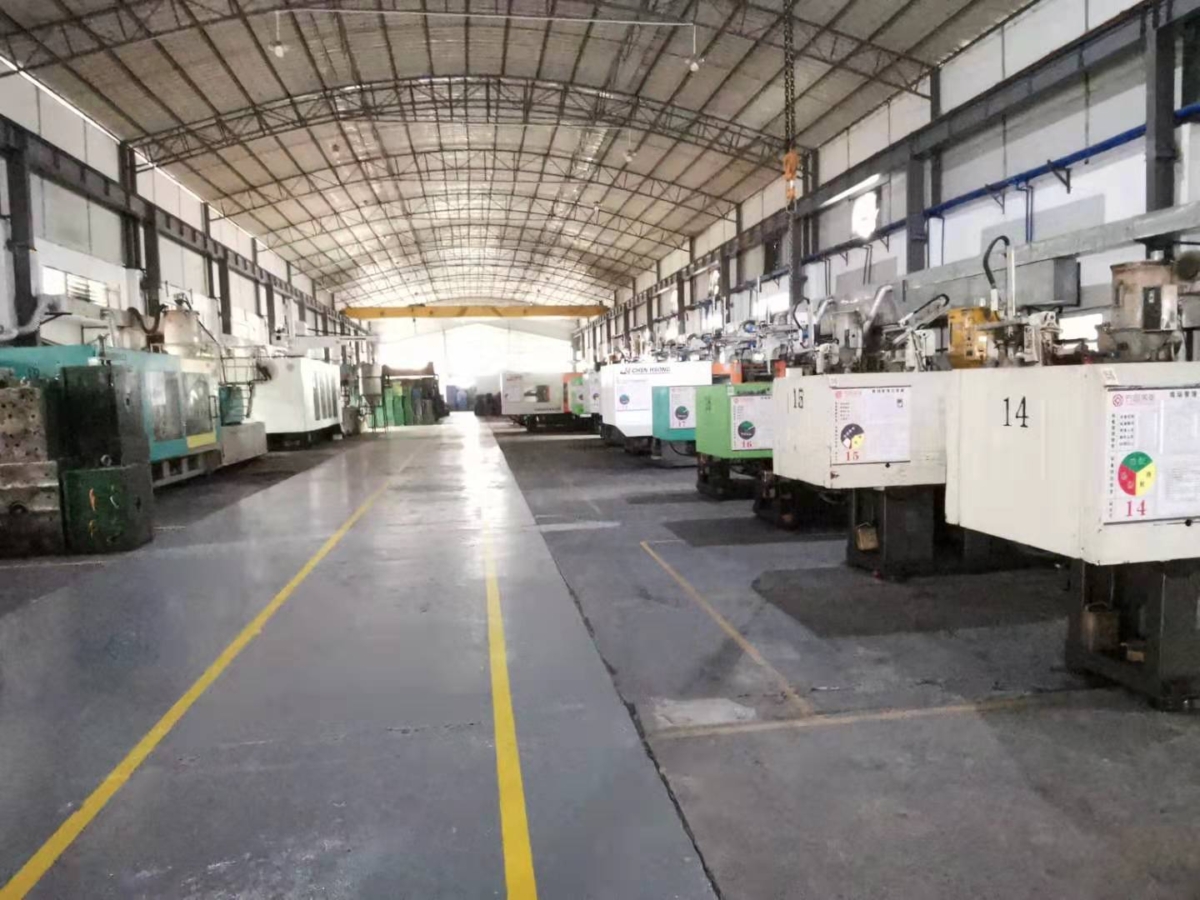
Baile converts the approved motor and airflow solution into documented material, assembly, inspection and release controls. The purpose is to preserve the signed configuration across production, not to retest unrelated claims. Our 30+ member R&D and engineering team supports specification transfer, while a 10+ member quality and laboratory team works across incoming, first-article, in-process and outgoing checkpoints on 10 production lines. The control chain also creates a clear record when a deviation needs correction, rework, replacement or formal customer approval.
From Signed Sample to Traceable Production Control
- Freeze the configuration: We record the destination market, voltage, motor, impeller, BOM, speed and heat settings, filter, outlet, attachments and agreed test conditions. Packaging and label versions are connected to the same order reference so a market variant cannot be substituted without review.
- Establish the approved reference: Functional-sample results, appearance approval and agreed limits become the signed sample or limit reference. RPM, air speed, air volume, noise and temperature requirements are recorded only with their applicable method and configuration.
- Translate results into inspection points: Engineering and quality teams assign relevant checks to incoming materials, first-article approval, in-process inspection and finished-product verification. The plan identifies what is checked, the applicable sample or batch, acceptance criteria and the record to retain.
- Control critical parts and assembly: Motor, impeller, PCB, heating components and key structural parts receive project-relevant incoming or process checks. Production controls also cover motor fixation, sealing, wiring, assembly gaps and attachment fit where these items affect airflow, vibration, temperature or safety.
- Verify the production process: First articles confirm the line setup before continued assembly. IPQC and small-batch validation identify material, assembly or functional deviation early. Baile operates 10 production lines and uses 12 independent aging-test rooms, each accommodating approximately 50–100 units, for planned aging work.
- Release and retain records: Finished-product checks, project-defined aging, outgoing AQL inspection and optional third-party inspection support the release decision. Inspection level, sampling ratio and AQL criteria are confirmed per order. Batch records can connect production date, inspection, packaging and shipment information for later traceability and corrective analysis.
This documented handoff keeps the approved motor and airflow behavior visible from sample review through shipment, even when several teams handle the order.
Choose a Customization Path and Timeline
Motor and airflow work can begin from a mature Baile model, a functional configuration change or a new ODM structure. The correct route depends on how much of the motor, control, heating, duct and housing must change. The references below are typical starting points; final MOQ, sample timing, cost, compliance work and approval sequence depend on the selected model, materials, complexity and confirmation speed. Selecting the route early keeps the technical scope, commercial expectation and project calendar aligned.
| Project path | Suitable changes | Buyer inputs | Baile engineering checks | Typical sample lead-time reference | Typical MOQ reference | Approval risks |
|---|---|---|---|---|---|---|
| Existing-platform OEM | Existing motor and airflow configuration with logo, packaging and available options | Market, voltage, quantity, brand files, packaging and schedule | Configuration availability, market variant, label, packaging and sample baseline | Existing-model sample: typically 3–7 days | Standard OEM: typically 1,000 units | Unconfirmed plug, voltage, artwork, packaging version or use of performance data from another model |
| Functional configuration | Motor, settings, temperature control, heating component, nozzle or related functional adjustment | Performance targets, test method, reference sample, target cost, volume and compliance needs | System matching, thermal and electrical impact, air-path effect, tooling need and validation scope | Functional-configuration sample: typically 15–30 days | Confirmed after model, material and engineering review | A component change may affect airflow, noise, temperature, safety work, cost and sample acceptance |
| ODM or new structure | New motor route, air path, housing, control concept, product structure or tooling | Product brief, ID or references, target market, application, price, volume, schedule and test criteria | Feasibility, structure, DFM, motor and impeller match, thermal system, safety, mold and production introduction | Prototype: typically 30–60 days; new-mold first sample: typically 45–75 days | ODM: typically 3,000 units and above | Iteration, tooling revision, new-material lead time, compliance scope and delayed design or sample decisions |
Hair Dryer Motor and Airflow FAQ
These answers clarify the decisions that most often affect a custom motor and airflow project. Baile links each recommendation to the selected product, market and test setup. Final specifications are confirmed through engineering review, configured samples and recorded acceptance conditions rather than a motor label or isolated headline value. Use the answers as a concise reference while preparing a project-specific specification package.
How do AC, DC and BLDC motors differ?
Standard and higher-performance brushed DC routes suit many household, travel and cost-managed products. AC motors are commonly considered for professional or higher-frequency use, with weight, noise and voltage trade-offs. High-speed BLDC routes serve compact high-speed and premium directions but add control, balance, acoustic and cost requirements. Baile matches the platform to the complete product target.
Does higher RPM always dry hair faster?
No. RPM states motor rotational speed, not the final drying result. Impeller design, inlet restriction, duct losses, sealing, outlet area, attachments, heating and controls determine how effectively the rotation becomes useful airflow. Baile compares configured samples through air speed, air volume, temperature and other agreed measures instead of ranking motors by RPM alone.
What is the difference between air speed and air volume?
Air speed describes local flow velocity and is commonly expressed in m/s. Air volume describes the quantity of air moved over time and is expressed in m³/min. A concentrator may change local speed and resistance without creating the same change in total volume. Baile records both as separate metrics under defined test conditions when the project requires them.
How do nozzles change airflow performance?
A concentrator narrows and directs the outlet for focused styling, while a diffuser spreads flow over a broader area. Each attachment also changes system resistance, local speed and temperature behavior. Baile confirms the intended nozzle or diffuser with the configured sample and identifies the attachment state in the test record, so results remain comparable.
Can Baile adjust the motor, impeller and duct together?
Yes, within the selected platform and project feasibility. Baile can develop or adjust the motor route, impeller match, fixation, inlet, filter, internal duct, outlet, attachments, heating and controls as a connected system. The required work may follow a functional-configuration or ODM path depending on structural change, tooling, validation and compliance impact.
Which test conditions must be fixed?
The applicable conditions include rated voltage, operating setting, warm-up state, measurement distance and point, equipment, filter state, outlet or attachment, ambient condition and sample identity. Not every metric uses every condition, so Baile defines a method for each agreed result. The signed method and configured sample become part of the acceptance reference.
How is sample performance maintained in bulk production?
Baile freezes the approved BOM, configuration, settings, attachments and test conditions, then translates the signed result into relevant incoming, first-article, in-process and finished-product checkpoints. Critical parts and assembly details are controlled against project records. Aging, outgoing AQL or third-party inspection can be included as agreed, with batch information retained for traceability.
Can a motor or duct change affect certification?
Yes. Changes to the motor, control board, heating system, internal structure, airflow or thermal behavior can affect electrical-safety and compliance work. Baile reviews the selected change against the target market and existing project basis. Required testing, documentation or renewed certification work is confirmed for the actual model rather than assumed to transfer automatically.
How long does a functional sample take?
A functional-configuration sample typically requires 15–30 days when work involves the motor, settings, temperature control, heating or airflow-related adjustments. This is a reference range. Actual timing depends on component availability, engineering depth, tooling, test scope and the speed of requirement and sample confirmation. Existing-model samples are typically faster at 3–7 days.
What starts Baile's engineering evaluation?
Submit the target market, application, voltage, expected quantity, price position, preferred motor route, air and noise targets, attachments, schedule and compliance needs. Specifications, reference-product information, test methods, CAD, images or existing sample data improve the starting point. Baile then identifies a current platform, functional adjustment or ODM path and defines the next validation step.
Start Your Hair Dryer Project With BAILE
BAILE supports projects that begin with a specification sheet, reference model, product photo, existing sample, packaging artwork, private label request, or new market requirement. Clear information helps BAILE recommend a practical dryer route and reduce repeated clarification.
Project Brief Checklist:
- Hair dryer line, reference model, product photo, or sample.
- Target market, sales channel, estimated quantity, and order plan.
- Plug, voltage, frequency, rated power, motor, heater, airflow, temperature, and function needs.
- Logo, color, finish, label, manual, packaging, barcode, and carton mark requirements.
- Nozzle, diffuser, comb, stand, bracket, or accessory list.
- Certification route, sample purpose, destination, shipping term, launch timeline, and target price if available.