
Hair Dryer Plug and Voltage Options for Global Markets
Market-ready hair dryer OEM/ODM solutions for voltage, plug, cord, safety, certification, and packaging requirements.
BAILE develops hair dryers around the complete electrical system, not the plug alone.
- 100-120V, 220-240V, and dual-voltage product routes
- US, EU, UK, AU, JP, and KR plug configurations
- Motor, heating, PCB, cord, protection, and housing coordination
- Model-based testing, certification support, labeling, and packaging
For brand, retail, salon, travel, and hospitality programs, BAILE converts regional electrical requirements into sample-ready specifications and controlled mass-production SKUs. Existing platforms and new ODM routes are available for different launch schedules and development depths.
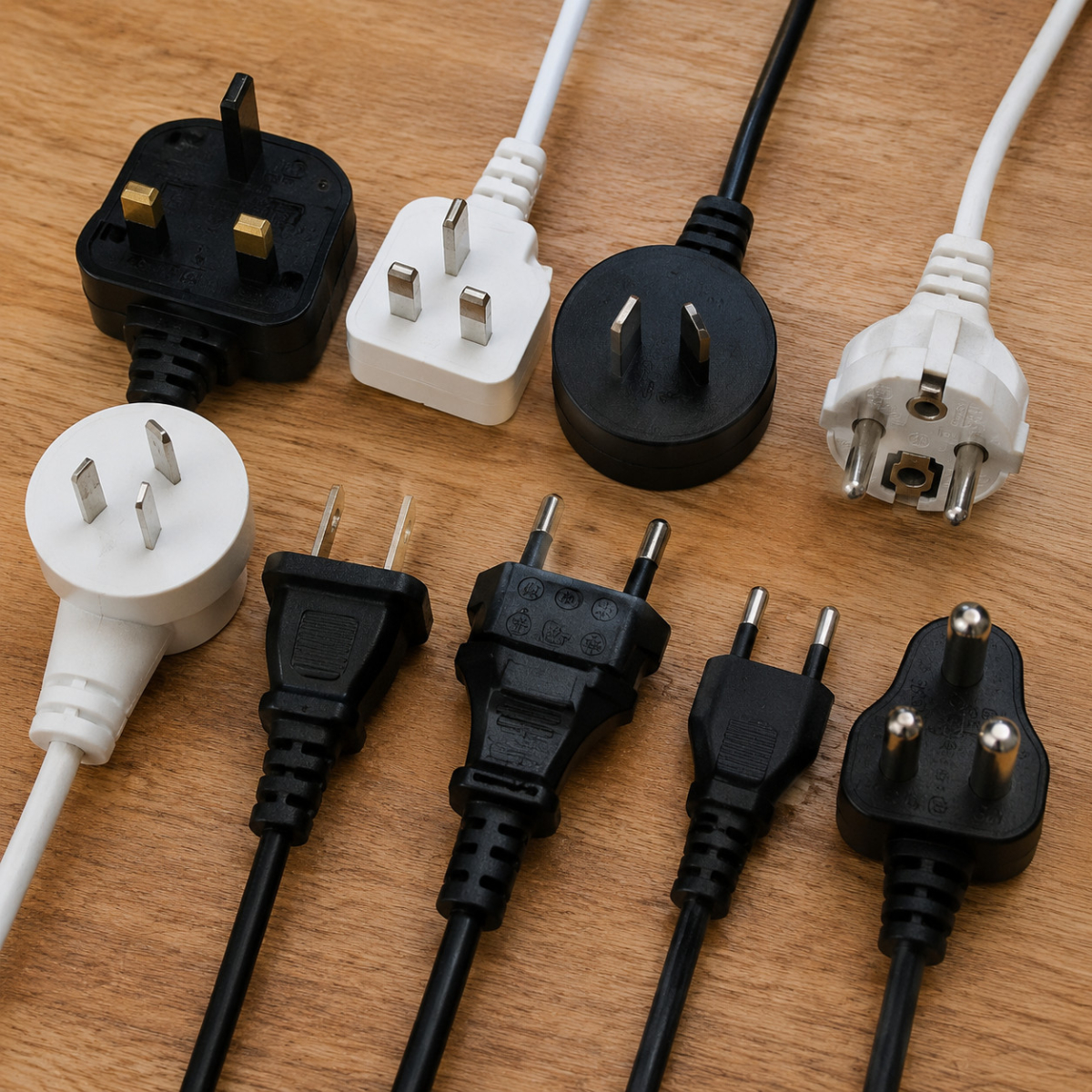
Common Hair Dryer Voltage and Plug Options
BAILE builds separate electrical routes for the countries where a branded hair dryer will be sold. The table summarizes the working starting points used for regional development. Each released SKU carries its own rated voltage, frequency, plug, cord, safety construction, and product information. National rules and channel requirements can differ within a region, so BAILE keeps the country list and sales channel inside the project specification rather than relying on a generic plug label.
| Sales region | Common voltage and frequency | Common plug direction | BAILE project focus |
|---|---|---|---|
| United States / Canada | 100-120V, commonly 60Hz | US Type A/B; Canadian configurations as specified | Motor current, heating output, cord rating, protection design, North American safety and EMC documentation |
| European Union | 220-240V, 50/60Hz by market | EU Type C/F or the specified national configuration | Rated power, insulation, cord and plug component selection, CE-related technical documentation, multilingual labeling |
| United Kingdom | Approximately 230V, 50Hz | UK Type G | Fused plug and cord configuration, UK product marking, manual, label, and packaging confirmation |
| Australia / New Zealand | Approximately 230V, 50Hz | AU/NZ Type I | Cord and plug configuration, local compliance documentation, warning labels, and packaging data |
| Japan | Approximately 100V, 50/60Hz by region | Japan Type A or project-specified configuration | Motor and heater matching, frequency confirmation, PSE project support, Japanese labeling and manual |
| South Korea | Approximately 220V, 60Hz | Korea project-specified configuration | Rated power, cord and plug selection, KC project support, Korean labeling and packaging |
A Plug Change Is Not A Voltage Solution
Changing the supply voltage changes the current, heating behavior, motor load, and protection requirements. BAILE therefore develops the electrical and mechanical systems together before releasing a regional SKU. A high-power salon model uses a different route from a compact dual-voltage travel model, even when both use the same housing concept. This system-level approach controls performance, component loading, insulation, temperature rise, and long-term cord reliability. It also gives certification, purchasing, and production teams one consistent electrical definition.
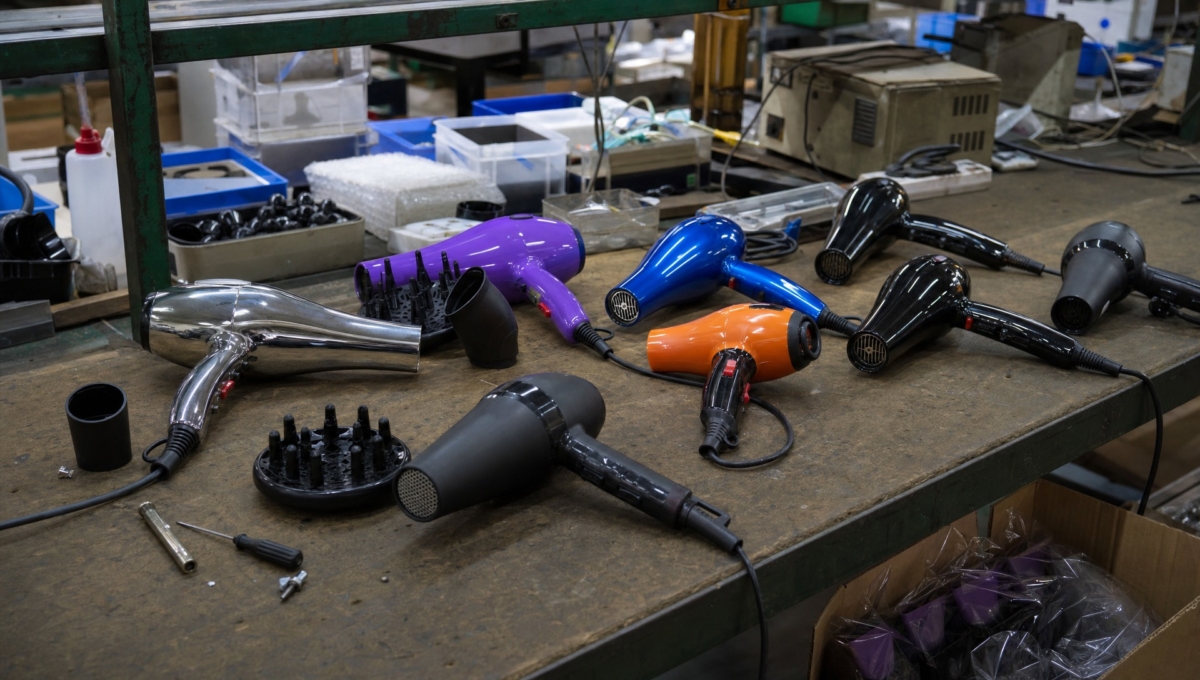
Six Systems Change With The Voltage
BAILE coordinates:
- Motor voltage, current, speed, vibration, and airflow
- Heating wire or heating-frame output and temperature rise
- PCB control range, switch function, cool-shot control, and NTC feedback where specified
- Wire gauge, insulation, strain relief, plug rating, and cable length
- Thermal fuse, thermostat, overheat protection, grounding or double-insulation route
- Housing material, air inlet, outlet, nozzle, and internal safety distances
High-power 100-120V and 220-240V dryers use different electrical component routes when required by current, power, and safety performance. Dual-voltage travel products use a dedicated selector or control architecture only when the motor and heating system support both ranges. The released configuration is fixed in the BOM and approved sample, preventing plug mix-ups, unstable heating, and uncontrolled component substitutions during mass production.
Three Voltage Architectures From BAILE
BAILE offers three development routes based on product category, power, portability, price position, and sales region. A global product family can use several regional SKUs instead of forcing one electrical design into every country. Each route receives a defined motor, heater, PCB, cord, plug, protection set, rated label, and compliance file. This keeps regional performance stable while allowing the external design and brand presentation to remain consistent. BAILE uses universal-voltage wording only for a design that has passed the required engineering and safety verification.
| Architecture | Suitable product route | Typical project value | Engineering and documentation focus |
|---|---|---|---|
| 100-120V regional version | North American, Japanese, or other low-voltage market SKU | Stable regional performance and clearer certification control | Motor current, heater output, cord rating, protection, label, manual, and regional test file |
| 220-240V regional version | EU, UK, AU/NZ, Korean, Middle Eastern, and other higher-voltage market SKUs | Efficient high-power output for salon, home, and hospitality products | Rated power, insulation, plug/cord, temperature rise, marking, language, and market documentation |
| Dual-voltage travel version | Foldable, mini, travel, gift, and portable product lines | One travel platform serving selected voltage regions | Voltage selector or control architecture, heater/motor matching, travel plug route, instructions, and dual-voltage safety testing |
Configure The Complete Electrical System
BAILE configures six connected technical systems for each regional product route. The selected parts are documented as one buildable configuration, keeping airflow, heating, controls, wiring, protection, and housing behavior balanced at the intended supply voltage and duty cycle. Component changes are reviewed for their effect on the surrounding systems.
Motor Matching
High-speed brushless motor solutions support premium dryers, while mature brushed motor routes support cost-controlled retail projects. BAILE matches motor voltage, current, speed, airflow, vibration, noise, expected life, and mounting structure to the selected product platform, price position, and operating duty.
Heating Configuration
Heating wire, heating frame, PTC routes, insulation distance, heater position, and airflow work together. BAILE adjusts resistance, heating output, warm-up behavior, thermal balance, and protection logic around the selected voltage, wattage, air path, housing material, and intended user temperature settings.
PCB And Controls
The control system can cover speed settings, heat settings, cool shot, ionic function, NTC feedback, display functions, and abnormal shutoff where specified. BAILE defines the operating sequence, component interfaces, fault response, and approved user modes in the functional sample and production standard.
Cord And Plug
Cable length, wire specification, conductor size, plug type, plug rating, strain relief, and cord-end protection are configured for the product power, destination market, and usage scenario. Part numbers and visual samples prevent unapproved cord or plug substitutions during purchasing and assembly.
Safety Protection
Thermal fuses, thermostats, NTC sensing, overheat shutdown, insulation, grounding or double insulation, flame-retardant material options, and air-inlet protection are selected as one safety architecture. Protection positions, ratings, wiring, and inspection points are fixed in the engineering files for the intended construction.
Air Path And Housing
Air-inlet area, filter resistance, impeller, heater position, outlet section, nozzle, housing material, and internal clearances influence cooling and temperature rise. BAILE coordinates these parts with the selected motor and heating route to prevent airflow loss, local overheating, excess noise, and housing discomfort.
Align Voltage Versions With Market Compliance
BAILE supports regional certification work with product specifications, samples, technical files, labels, manuals, and testing coordination. The applicable route follows the released model, electrical construction, destination country, sales channel, and certification body. CE, CB, RoHS, REACH, FCC, ETL, UL, UKCA, PSE, KC, SAA, GS, EMC, LVD, and ErP files are handled only within their valid product and market scope. File names, model references, and marking artwork are checked before packaging release. Certification marks and reports are applied only to the covered product models, with corresponding technical and labeling files retained for each regional SKU.
| Market route | Certification or test direction | BAILE documentation support |
|---|---|---|
| European Union | CE, LVD, EMC, RoHS, REACH, ErP direction | Product specification, safety and EMC coordination, labels, manuals, and relevant technical files by project |
| United Kingdom | UKCA and UK market marking direction | Rated data, warning information, UK packaging and manual coordination, and relevant project documentation |
| United States / Canada | UL, ETL, FCC, cUL/cETL direction | North American electrical configuration, safety test coordination, product marking, and channel documentation |
| Japan | PSE direction | Voltage/frequency confirmation, Japanese product information, and project certification coordination |
| South Korea | KC direction | Rated data, Korean product information, and KC project documentation coordination |
| Australia / New Zealand | SAA / RCM direction | AU/NZ plug and cord configuration, product data, warning labels, and project documentation coordination |
| International projects | CB and IEC-related testing direction | Multi-market test planning, model files, sample records, and supporting documents |
Verify Every Market-Specific Configuration
BAILE verifies the electrical behavior and reliability of every released voltage configuration. Laboratory and production records link the test condition, sample, result, and batch to the relevant SKU. The focus is different at each station: input power confirms component loading, temperature testing confirms thermal behavior, electrical safety equipment checks insulation and current paths, cord testing checks repeated movement, and aging exposes early assembly or component faults. Exceptions are isolated, corrected, and rechecked before release.
Power And Current
Voltage, current, rated power, frequency, speed settings, heat settings, and cool-shot operation are checked against the approved product specification. Readings are recorded by mode so engineering can identify excessive current, incorrect heating output, control errors, or a mismatch between the motor and heater before production release. The record identifies the instrument, date, sample, operating condition, measured values, and acceptance status.
Outlet Temperature
High, medium, and low heat settings are checked at the defined distance, operating mode, and ambient condition. Records cover outlet air and temperature rise at the housing, hand grip, and heating areas. These results support heater adjustment, material selection, user comfort, and overheat-protection settings for the voltage version. Limits, stabilization time, measurement locations, and acceptance criteria follow the released test plan.
Electrical Safety
BAILE laboratory equipment supports withstand-voltage, grounding-resistance, leakage-current, insulation, and related electrical safety checks. Test voltage, duration, limits, sample state, and result format follow the released construction and applicable project standard. Records identify the SKU, sample, date, equipment, operator, and pass or exception status. Calibration and equipment records support controlled use and maintenance of the electrical safety test station.
Overheat Protection
Thermal fuse, thermostat, NTC feedback, abnormal shutoff, airflow restriction, and control behavior are reviewed as part of the complete motor, heater, PCB, and air-path system. Fault-condition checks verify whether protection reacts as designed when temperature, airflow, or operating time moves outside the normal range. Trigger points, reset or non-reset behavior, and recovery conditions are recorded where they apply.
Cord Reliability
Incoming and final checks cover cord specification, conductor and insulation condition, plug appearance, terminal connection, strain relief, pull strength, and cord movement. Reference cord-swing testing can reach 10,000-20,000 cycles under an approved project standard, with electrical continuity and visible damage checked during or after the cycle. The approved cord and plug sample remains available for incoming and production comparison.
Aging And Traceability
Finished units can receive 2-4 hours of continuous aging or a longer project-defined cycle. Function and abnormal behavior are monitored during the run. Order number, production date, line, inspection record, exception handling, packing record, and shipment record provide a traceable path for later quality analysis. Retained records connect any field complaint to the affected component, production, packing, and shipment batch.
A Controlled Path From Specification To Shipment
BAILE moves a voltage project through six release gates. The output from each gate becomes the controlled input for the next, keeping engineering, commercial, quality, packaging, and production teams on the same version. Changes after sample approval return to the relevant gate instead of moving informally to the line.
Market Brief
The project file records sales countries, channel, product platform, voltage, frequency, plug, power, quantity, target price, certification route, packaging, language, and delivery target. Its output is one numbered requirement list used by sales, engineering, costing, quality, and project follow-up teams.
Engineering Route
BAILE defines the motor, heater, PCB, protection, cord, plug, air path, housing, accessories, and initial rated data. Engineering outputs include the proposed architecture, component-change list, technical risks, cost-impact items, sample type, development timing, responsible confirmation points, and named document owners.
Sample Build
BAILE builds an existing-model, logo, color, packaging, functional, new-structure, or mold sample according to project depth. Reference cycles range from 3-7 days for an existing sample to 45-75 days for a new-mold first sample. The sample carries a version number and inspection record.
Validation Gate
The validation gate covers appearance, function, voltage, power, plug, temperature, airflow, noise, safety, accessories, labels, manuals, and packaging. Approved results are captured in a signed sample, specification, change record, test summary, and list of open items before production release is authorized.
Production Release
BAILE freezes the BOM, assembly process, inspection standard, packaging files, labels, applicable certification documents, and shipment requirements. Purchasing, quality, and production work from the released files; first-article checks verify that the physical build matches them before continuous line production begins.
Shipment Control
BAILE completes AQL or customer-defined inspection and supports SGS, BV, Intertek, or a nominated inspection agency. The shipment pack includes the agreed inspection output, packing list, commercial invoice, carton data, batch reference, shipment photos, delivery records, and final release status.
Build And Control Multiple Market SKUs
BAILE combines product engineering, tooling, injection molding, assembly, testing, packaging, and export coordination for branded hair dryer programs. This integrated manufacturing scope is useful when one product family contains several voltage, plug, label, and packaging SKUs. Dedicated records separate the parts and documents while shared tooling and external design keep the product family visually consistent. The capacity data below describes the manufacturing resources used to move those controlled variants from sample to repeat production.
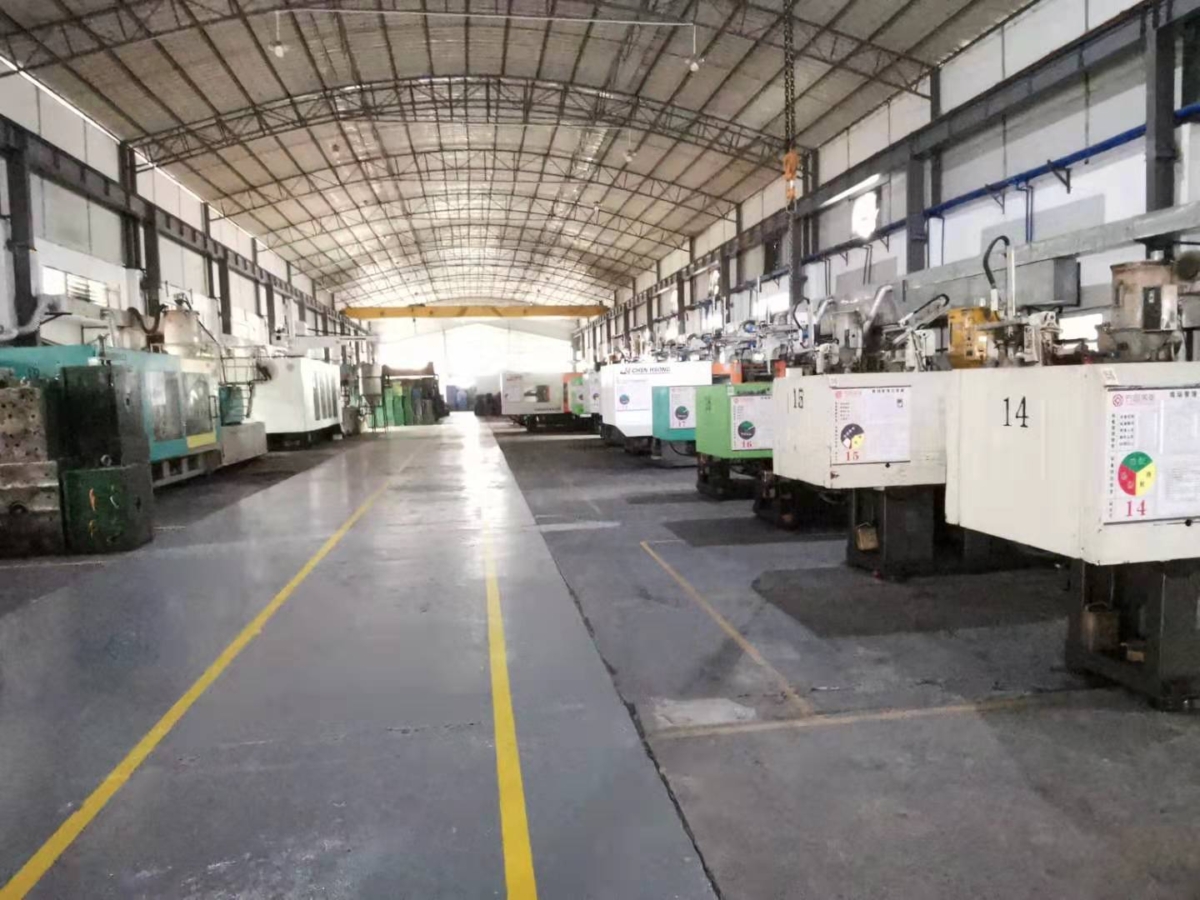
Manufacturing Evidence
- Manufacturing system experience: 23+ years traced to 2003, with the BAILE company established in 2024
- 10,000 m² manufacturing-system footprint
- Engineering and R&D team: 30+ people
- Assembly capacity: 10 automatic and semi-automatic lines
- Reference monthly capacity: approximately 40,000 pcs
- Injection molding: 100+ injection-molding machines supporting ABS, PC, PP, PA66, PC+ABS, and selected flame-retardant materials
- Testing rooms: 12 aging-test rooms, each supporting approximately 50-100 units depending on the test arrangement
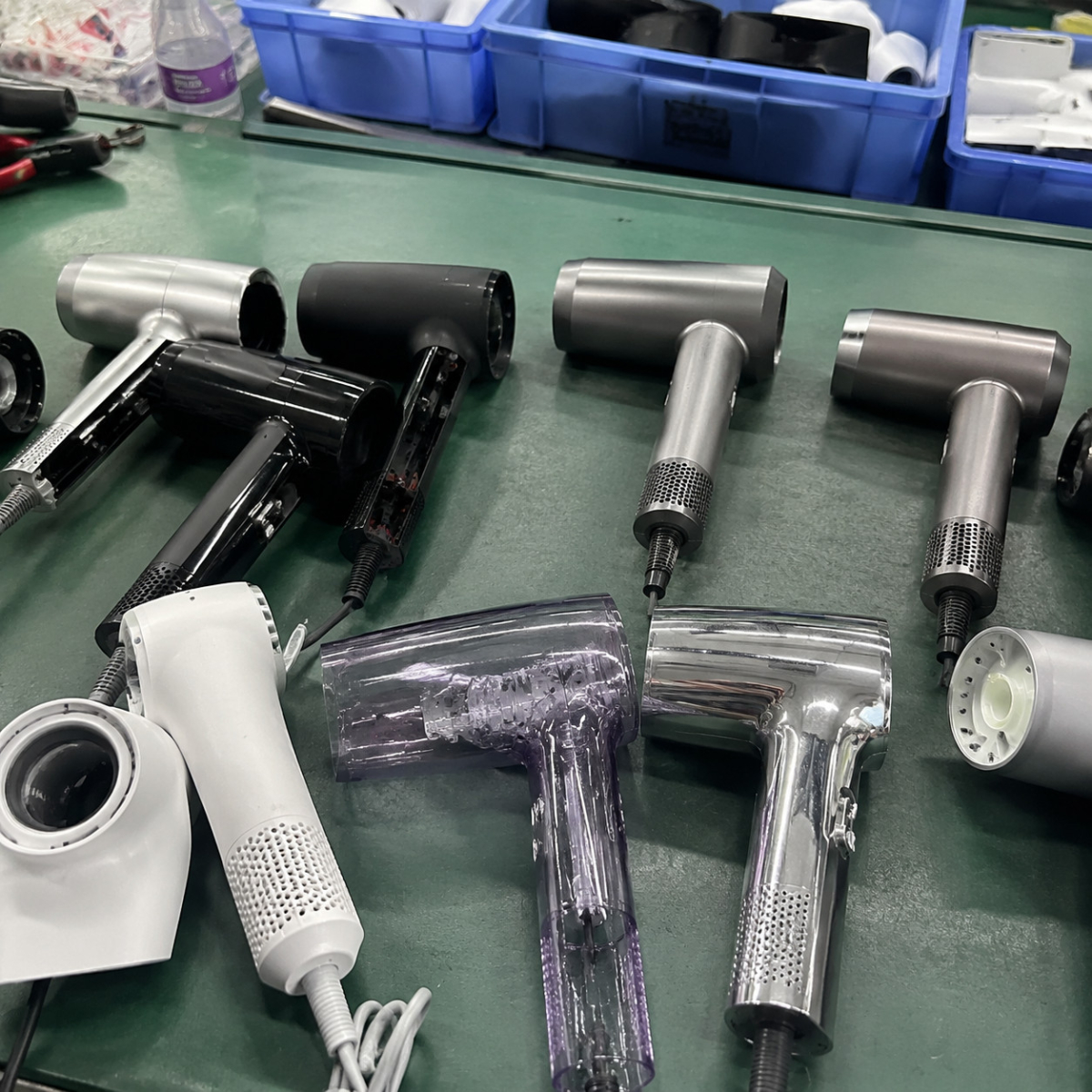
Multi-Market SKU Control
BAILE separates regional versions through:
- A unique model or SKU reference for each released voltage route
- A controlled BOM covering motor, heater, PCB, cord, plug, and protection parts
- An approved sample and first-article record for each version
- Line-clearance checks before a different plug, label, or packaging version starts
- Version-controlled manuals, rating labels, barcodes, color boxes, and carton marks
- Batch records linking production, inspection, packing, and shipment information
Choose A Defined OEM Or ODM Route
BAILE provides several routes for regional voltage and plug programs. The route determines which components change, what sample is built, the reference MOQ, and how long development takes before the approved version enters production. Existing models support faster brand launches, functional projects change the electrical configuration within an available platform, and ODM or new-mold programs create deeper structural differentiation. The commercial starting points below keep scope and timing visible from the quotation stage. Standard mass production takes approximately 35 days after the approved sample, materials, packaging, order terms, and production files are released; tooling, certification, and highly customized components follow a separate schedule.
| Project route | BAILE scope | Reference MOQ | Reference sample or development cycle |
|---|---|---|---|
| Existing-model OEM | Select an established model; adapt plug, voltage version, logo, manual, barcode, and standard packaging | 1,000 pcs | Existing sample: 3-7 days; logo sample: 7-15 days |
| Private-label market SKU | Existing platform with brand color, product label, regional manual, retail packaging, and carton data | 1,000-3,000 pcs | Color sample: 10-20 days; packaging sample: 7-15 days |
| Functional voltage configuration | Adjust motor, heater, PCB, temperature, airflow, cord, plug, or protection within an available platform | Based on model and BOM; commonly within the OEM project range | Functional sample: 15-30 days |
| New ODM electrical architecture | Develop a new appearance, structure, air path, motor route, heating route, or dual-voltage concept | From 3,000 pcs | Hand sample and engineering validation: 30-60 days |
| New mold program | Develop new housing, handle, air path, bracket, or accessory tooling with T0/T1 correction | Commonly 3,000-5,000 pcs | First mold sample: 45-75 days |
Keep Product, Label, And Packaging Data Aligned
Every electrical version needs matching product information. BAILE carries the released voltage, plug, safety, language, and barcode data through six controlled content layers. Artwork approval is followed by incoming print checks, first-article inspection, line clearance, barcode scanning, and packed-SKU verification. This prevents a correct product from entering the wrong manual, color box, carton, or destination batch. Revision numbers and customer item codes provide an additional link between artwork and the production order.
| Content layer | Controlled data | BAILE production control |
|---|---|---|
| Product rating label | Model, voltage, frequency, wattage, warnings, and applicable marks | Artwork approval, first-article check, and label-to-BOM verification |
| Plug and cord identification | Plug type, cord rating, cord length, and destination | Component part number, incoming inspection, and physical sample |
| User manual | Operating instructions, voltage use, warnings, language, and service information | Version number, language approval, and packing-line check |
| Retail packaging | Product data, market text, importer information, barcode, and sales claims | Print sample approval, color and text inspection, and SKU separation |
| Barcode and carton marks | Barcode, SKU, FNSKU, customer item number, batch, quantity, and shipping marks | Scan test, packing-list match, and outer-carton inspection |
| Shipment release | Product, plug, accessories, manual, packaging, destination, and quantity | Line clearance, final inspection, batch record, and shipment-file check |
Build A Complete Voltage Project Brief
BAILE converts seven information blocks into a quotation scope, product configuration, sample plan, test plan, packaging list, and production schedule. The table can be completed as a project brief or attached to an inquiry. It gives engineering enough data to identify the electrical route while giving costing and production the quantity, customization, document, and launch requirements needed for an executable response.
| Project input | BAILE output |
|---|---|
| Target country and sales channel | Regional voltage route, plug direction, language set, channel packaging, and compliance scope |
| Product type and positioning | Available high-speed, standard, salon, travel, hotel, pet, kids, stand, or straightening dryer platform |
| Voltage, frequency, and wattage | Motor, heater, PCB, protection, airflow, and thermal configuration |
| Plug and cord requirement | Plug type, wire specification, cord length, strain relief, and component list |
| Brand and packaging files | Logo, color, finish, nozzles, manual, barcode, SKU label, color box, gift box, and carton scope |
| Quantity and launch schedule | MOQ reference, sample type, development cycle, production timing, and shipment milestones |
| Testing and certification route | Test plan, record format, certification support, product marking, and document list |
Hair Dryer Plug And Voltage FAQ
These answers cover the decisions that most often change a regional hair dryer SKU: voltage architecture, plug selection, product limitations, sample timing, MOQ, packaging, testing, and mass-production control. Each answer reflects BAILE's current manufacturing scope, reference timing, quality controls, and project policies for OEM and ODM programs.
Can BAILE provide both 100-120V and 220-240V hair dryers?
Yes. BAILE develops 100-120V, 220-240V, and selected dual-voltage routes. Product platform, motor, heater, control system, cord, protection design, sales region, and test plan determine the released option.
Can a 220-240V hair dryer become a 120V model by changing the plug?
No. A voltage version can require changes to the motor, heating system, PCB, current path, wire, protection, insulation, and labels. BAILE treats the complete electrical system as the market-specific configuration.
Which plug types can BAILE configure?
BAILE configures US, EU, UK, AU/NZ, Japan, and Korea plug routes. The plug part number is linked to voltage, frequency, wattage, cord specification, destination, applicable documents, and packaging version.
Are all BAILE hair dryers universal voltage products?
No. Product voltage is model-specific. Travel products can use a dual-voltage or global-voltage route when the electrical design supports it. High-power salon and standard dryers may use separate regional SKUs for stable output and compliance control.
What information is included in a voltage sample?
A voltage sample can verify rated input, plug, motor operation, heat modes, airflow, outlet temperature, noise, protection, cord connection, and user controls. Labels, manuals, accessories, and packaging samples are added when included in the sample scope.
How long does a sample take?
Reference cycles are 3-7 days for existing models, 7-15 days for logo or packaging samples, 10-20 days for color samples, 15-30 days for functional configuration samples, 30-60 days for new-structure hand samples, and 45-75 days for a new-mold first sample.
What is the standard OEM MOQ?
The standard OEM reference MOQ is 1,000 pcs. Color projects commonly start at 2,000 pcs, and ODM development starts at 3,000 pcs. New-mold projects commonly start at 3,000-5,000 pcs, subject to structure and tooling scope.
Can BAILE support US, EU, UK, and AU packaging?
Yes. BAILE supports rated data, warning text, certification marks, importer information, barcode or SKU labels, multi-language manuals, color boxes, gift boxes, FBA labels, retail packaging, and outer-carton marks for the approved market version.
What testing equipment is available for these projects?
BAILE uses wind-speed, temperature, noise, voltage/current, withstand-voltage, grounding-resistance, leakage-current, cord-swing, drop, aging, and packaging test equipment. Test conditions and reports are linked to the product model or project requirement.
How does BAILE control different market SKUs in mass production?
BAILE controls the approved BOM, first article, voltage and plug specification, labels, packaging version, process inspection, functional testing, aging, final inspection, AQL or customer-defined inspection, batch records, and shipment documents before release.
Start Your Hair Dryer Project With BAILE
BAILE supports projects that begin with a specification sheet, reference model, product photo, existing sample, packaging artwork, private label request, or new market requirement. Clear information helps BAILE recommend a practical dryer route and reduce repeated clarification.
Project Brief Checklist:
- Hair dryer line, reference model, product photo, or sample.
- Target market, sales channel, estimated quantity, and order plan.
- Plug, voltage, frequency, rated power, motor, heater, airflow, temperature, and function needs.
- Logo, color, finish, label, manual, packaging, barcode, and carton mark requirements.
- Nozzle, diffuser, comb, stand, bracket, or accessory list.
- Certification route, sample purpose, destination, shipping term, launch timeline, and target price if available.