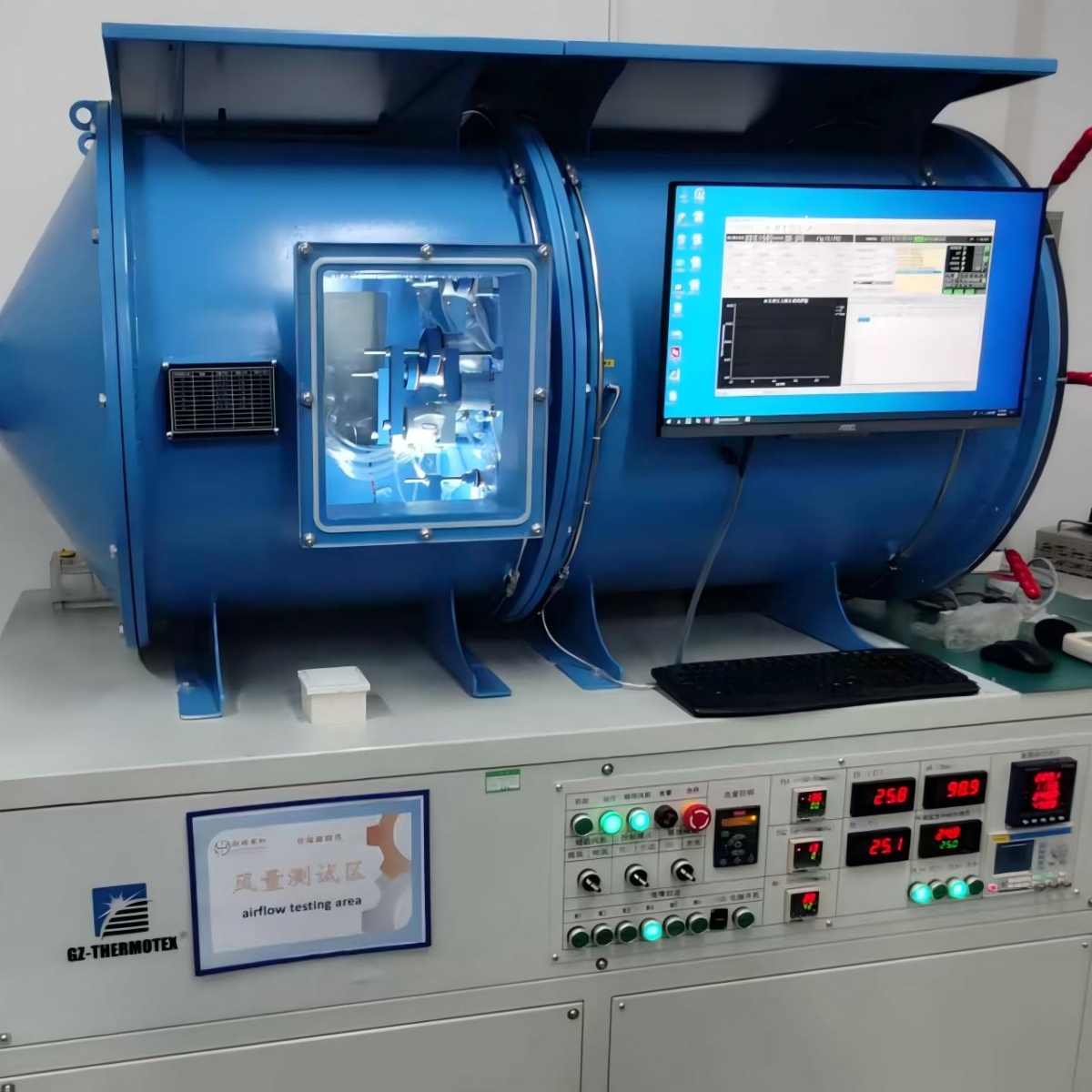
Hair Dryer Certification and Compliance Support
Baile aligns hair dryer design, testing, documentation, and production control with the requirements of your target sales market.
Baile provides certification and compliance support for OEM and ODM hair dryer projects serving Europe, the United Kingdom, North America, Japan, Korea, Australia, and other export markets. Our support connects voltage and plug selection, electrical safety design, certification sample preparation, third-party testing coordination, technical documents, packaging information, and controlled mass production. Available certificates and reports must be confirmed against the selected model, configuration, production site, and destination market. This model-specific approach keeps compliance claims connected with the product Baile will manufacture.
- Market-specific voltage, plug, labeling, and documentation support
- Certification sample preparation and third-party testing coordination
- Electrical safety, performance, aging, and outgoing quality checks
- BOM, approved-sample, packaging-version, and batch control
- OEM projects from 1,000 pieces and ODM projects from 3,000 pieces

Control the Compliance Risks Behind Every Hair Dryer Launch
Compliance problems rarely begin with one missing logo. They usually begin when the target market, electrical configuration, approved sample, component list, report scope, label, or production version does not match. Baile builds compliance control into the project before mass production. We connect product decisions with verification records so that the hair dryer presented for testing remains aligned with the configuration prepared for manufacturing and shipment. Engineering, quality, packaging, and project teams work from the same released information.
Wrong Market Configuration
The market route is fixed during Baile’s project-definition stage: country, rated voltage, plug type, power route, sales channel, packaging language, and expected compliance documents. This prevents a 100–120V product, 220–240V product, dual-voltage travel model, or market-specific plug from being treated as interchangeable when its electrical and documentation requirements differ. The resulting route enters the project specification and sample plan.
Model Report Mismatch
Available certificates and reports are compared with the selected model before Baile presents them as project evidence. Model name, rated input, critical construction, document holder, manufacturing scope, and report reference must remain connected. A badge alone cannot establish coverage for another electrical or private label version. The relevant document reference is entered into the approval record before the sample or order is released.
Uncontrolled Component Changes
Safety-critical parts remain tied to Baile's approved sample, specification, BOM, incoming control, and released production version. Any proposed change to electrical, thermal, insulation, control, material, or market-connection construction enters engineering review because it can alter safety behavior and existing evidence. The disposition identifies whether a sample, test, document, or work instruction must change before the revised version reaches formal production.
Incomplete Market Documents
The document set follows one Baile project version across the product specification, rating label, manual, warnings, package marks, barcode, outer carton, inspection references, and available certification files. This structure reduces conflicts between the physical unit, retail package, importer submission, platform record, and shipment approval. Production, quality, packaging, and logistics teams receive the same released information rather than separate email versions.
Market-Specific Hair Dryer Compliance Support Matrix
Baile organizes each export project around its destination market instead of applying one universal certificate list. The references below show common directions used during project planning; they do not mean that every model automatically carries every listed approval. Final requirements depend on the selected hair dryer, rated voltage and power, plug, critical components, sales country, importer, retail channel, and the scope accepted by the relevant testing or certification body. The matrix becomes the planning reference for that route.
| Target Market | Common Project References | Electrical and Product Focus | Baile Support |
|---|---|---|---|
| European Union | CE, LVD, EMC, RoHS, REACH, ErP | 220–240V route, EU plug, electrical safety, electromagnetic compatibility, restricted substances, product and packaging information | Baile supports configuration confirmation, certification samples, technical product information, label and manual preparation, available reports, and third-party testing coordination. |
| United Kingdom | UKCA, RoHS | 220–240V route, UK plug, product marking, safety information, importer or market documentation | Baile aligns the confirmed model, plug, rating information, instructions, packaging marks, and available compliance files with the UK project scope. |
| United States and Canada | ETL, UL, FCC, cETL, cUL as applicable | 100–120V route, US or Canadian plug, critical components, electrical safety, product listing scope, production follow-up | Baile supports model selection, critical-component review, test sample preparation, product documentation, factory information, and coordination with the appointed testing or certification route. |
| Japan | PSE | 100V project route, Japanese plug, rating information, electrical configuration, Japanese instructions and packaging | Baile prepares the confirmed product version, sample, specification, label content, packaging information, and available project files for the agreed Japan-market route. |
| South Korea | KC | 220V project route, Korean plug, model information, electrical safety, Korean-language product information | Baile connects the product configuration, certification sample, label, manual, packaging, and production version to the confirmed KC project requirements. |
| Australia and New Zealand | SAA, RCM as applicable | 220–240V route, AU plug, electrical safety, market marking, importer and product documentation | Baile supports AU-plug configuration, sample preparation, technical documentation, packaging information, and relevant SAA or RCM project coordination. |
| Multi-Market Programs | CB and related IEC testing support | Controlled model family, voltage variants, plug variants, shared and market-specific components, document version control | Baile builds the program around a defined base model, reviewed variants, controlled BOMs, market-specific labels and packaging, and model-matched test or certification files. |
Baile Certification, Patent, and Compliance Evidence Portfolio
Baile maintains a portfolio of product-related certificates, market compliance documents, management-system certificates, material information, and intellectual-property evidence. These files serve different purposes and cannot be treated as interchangeable approval badges. The holder, referenced item, issuing organization, standard, market, and current scope are checked before release. Independent bodies issue their own findings; Baile supplies manufacturing information and implements required corrections. Actual scans remain tied to the quoted configuration.

Appearance Design Patents
Appearance design patent certificates document protected product appearance work within Baile's development portfolio. They support discussions about original housing direction, visual differentiation, and intellectual-property awareness during ODM development. A patent does not certify electrical safety, performance, or market access; its value is evidence of design ownership rather than permission to sell a particular electrical configuration.

CE-LVD and CE-EMC
For applicable EU routes, Baile's portfolio includes CE-LVD and CE-EMC documentation. LVD-related evidence addresses electrical safety assessment, while EMC-related evidence addresses electromagnetic compatibility. Review focuses on the referenced configuration, rated input, construction, report, and declaration. Coverage is never inferred from a similar housing or transferred automatically to another private label version.

UL and FCC
North American documentation in Baile's portfolio includes UL and FCC-related files for applicable configurations. UL evidence is reviewed against the evaluated safety construction, while FCC relevance depends on the electronics and emissions requirements. File number, referenced item, rated input, holder, and production relationship are checked before either document enters a customer evidence package.

RoHS and REACH
RoHS and REACH evidence supports material and restricted-substance review for relevant European projects. Baile connects these documents with the plastics, electronic parts, cords, plugs, coatings, packaging, and other materials used in the confirmed product route. The files do not replace electrical safety or EMC assessment; they provide a separate material-compliance layer within the complete technical documentation package.

ISO Management Systems
Baile's recorded management-system portfolio includes ISO 9001 for quality management, ISO 14001 for environmental management, ISO 45001 for occupational health and safety, and ISO 10012 for measurement management. These certificates demonstrate structured factory processes and controlled records. They certify management systems rather than an individual hair dryer model, so product-level evidence remains separately required.

CB Certification Support
CB documentation supports IEC-related electrical safety work and can provide a technical foundation for selected multi-market projects. The certificate and report are checked for referenced configuration, rated voltage and power, critical construction, holder, and accepted scope before entering a project plan. National or regional approval can still require additional review, deviations, documentation, or local certification procedures.

KC and PSE
KC and PSE-related files cover applicable South Korean and Japanese routes in Baile's portfolio. The intended version must align with the target voltage, plug, rating label, language, identity, and electrical construction referenced by the document. Corresponding samples and customer-facing information are prepared as a market set rather than treating either approval as universal coverage.

UKCA, ErP, and G-Mark
UKCA, ErP, and G-Mark evidence addresses three different routes in Baile's document portfolio. UKCA relates to UK projects, ErP to applicable energy-related requirements, and G-Mark to applicable Gulf-market conformity work. Each file is reviewed independently as a separate evidence item because its market authority, technical purpose, referenced configuration, marking, and supporting information are different.

MSDS Documentation
MSDS documentation addresses materials, substances, batteries, chemicals, coatings, or shipment items where the chosen product and logistics route require it. The file communicates handling, hazard, storage, and transport information for the referenced item; it is not a complete hair dryer certificate. Release follows a match with the actual material and supplier record used in the order.
Electrical Safety Controls Start During Product Development
Baile treats electrical safety as a system connecting energy input, heat generation, airflow, insulation, protection response, and the intended use environment. Engineering review defines how that system should behave during normal operation and foreseeable abnormal conditions. Verification then uses stated settings, test conditions, and acceptance criteria instead of isolated marketing claims. The critical parts that implement this safety architecture are controlled separately in the component table that follows. This separates system verification from component procurement and incoming inspection.

Thermal and Airflow Risks Are Verified Together
Baile defines thermal behavior around the relationship between rated input, selected operating settings, air movement, outlet geometry, accessories, and expected use. Faster heating or a higher power rating is not accepted as an isolated advantage because the complete system must keep temperature behavior stable while delivering the intended drying performance.
Protection is planned as coordinated sensing, control, and final cut-off behavior appropriate to the selected model. The engineering route also considers restricted airflow, blocked inlets, accessory use, repeated switching, continuous operation, and other conditions identified for the product category. High-speed, salon, travel, children, pet, hotel, and standard retail dryers therefore do not share one universal thermal target or test plan.
Verification can cover operating modes, outlet temperature, temperature rise, heat stability, airflow consistency, abnormal-operation response, noise, vibration, and protection behavior. Project-specific measurements identify the tested configuration, setting, method, distance, unit, sample, and result source. This keeps engineering evidence interpretable and prevents a figure obtained under one condition from being presented as a universal result.

Electrical Boundaries Follow the Intended Market Route
Baile defines the electrical boundary around rated voltage and power, user-accessible surfaces, internal separation, heat exposure, cable movement, market connection, and the selected grounding or double-insulation route. The objective is to keep energized and high-temperature areas controlled throughout assembly and normal handling rather than relying on a final test to compensate for an unclear construction.
Market use changes the verification plan. A professional salon model can require a longer and more frequently moved connection; a wall-mounted hotel unit must align with its installation route; a travel model needs unambiguous voltage information; and regional versions require the correct connection and rating presentation. These decisions are fixed before label and manual approval.
Verification can include visual construction review, withstand-voltage, grounding-resistance or leakage-current checks where applicable, cable movement, operating function, and final rating-label confirmation. Results are released against the defined market version, while supplier, part, and incoming-control details remain in the dedicated critical-component module.
Critical Component Compliance and Production Control
Baile controls critical components from supplier and material confirmation through incoming inspection, approved-sample comparison, assembly, testing, and batch records. Each component affects a different part of the product: airflow, heat, electrical load, protection, insulation, control logic, durability, or market connection. The table shows how Baile converts component selection into a repeatable manufacturing control rather than relying on a final inspection alone. Documented change review keeps approved, tested, and production versions aligned throughout the order.
| Critical Item | Main Compliance or Quality Influence | Baile Control Points | Project Evidence |
|---|---|---|---|
| Motor and impeller | Airflow, current, vibration, noise, heat balance, operating life | Supplier and model confirmation, incoming function check, fixation, impeller balance, running check, performance test | Specification, BOM entry, incoming record, sample record, performance result |
| Heating component | Power, outlet temperature, temperature rise, insulation, abnormal heating | Heating-wire and frame check, fixation, insulation distance, position in airflow path, operation and temperature test | Component specification, assembly standard, inspection and test record |
| Thermostat and thermal fuse | Over-temperature control and final protection route | Model and rating confirmation, position check, incoming verification, assembly inspection, protection-function test | Critical-component list, BOM, inspection record, approved sample |
| PCB and control system | Speed and temperature logic, display, ionic control, NTC feedback, abnormal shutdown | PCB model and firmware/function confirmation, solder and wiring check, button and setting tests, temperature-control verification | PCB specification, function list, sample approval, test record |
| Power cord and plug | Rated load, market connection, strain, bending durability, insulation | Market-specific specification, incoming check, connection and strain-relief inspection, swing test, withstand-voltage and leakage-related checks | Cord and plug specification, BOM, incoming record, test record |
| Housing and high-heat materials | Insulation, heat resistance, structural strength, appearance, dimensional stability | Material route confirmation, color sample, injection inspection, high-temperature area review, fit and assembly-gap checks | Material specification, color standard, first article, inspection record |
| Switches and buttons | Function selection, contact reliability, user control, operating life | Model confirmation, incoming function check, assembly-position check, operating feel, repeated function and life tests as specified | BOM, inspection record, function test, life-test record when required |
| Nozzles and accessories | Outlet restriction, temperature behavior, fit, use scenario, package completeness | Interface and material check, fit and removal check, operating check, accessory-count and packing inspection | Approved accessory list, sample, fit check, packaging record |
Keep Approved Samples, BOMs, and Production Versions Aligned
Baile uses the approved sample as a physical reference and connects it with the product specification, BOM, critical-component list, color and finish standard, function list, packaging artwork, label, manual, and inspection criteria. This controlled package becomes the working reference for purchasing, engineering, production, quality, packaging, and project follow-up. Changes are reviewed before they reach the production line. Released files carry the same project version used for approval, testing, packaging, and inspection.
Sample Approval Locks the Commercial and Technical Standard
Sample approval must check more than housing appearance. The approval record covers identity, rated input, market connection, operating settings, optional functions, performance, button feel, finish, branding, assembly, accessory set, rating label, manual, package, barcode, and outer-carton information.
Different sample types serve different decisions. Existing-model samples confirm the base product; Logo samples confirm position and process; color samples confirm color and surface treatment; packaging samples confirm structure, print, labels, manual, and protection; functional samples confirm electrical and performance changes; prototypes confirm a new appearance or structure before tooling; mold samples confirm molded parts and assembly.
The accepted version becomes a pre-production sample or signed standard where required. This physical reference supports first-article approval and outgoing inspection, reducing disputes caused by decisions that exist only in email, images, or separate uncontrolled files.
Packaging and Label Versions Remain Part of Compliance Control
Baile controls packaging and product information as part of the deliverable product. Files can include the rating label, product model, rated voltage and power, safety warnings, certification marks applicable to the confirmed project, Logo, importer information where provided, multilingual manual, barcode, SKU label, FBA label when required, color-box artwork, gift-box artwork, outer-carton marks, and packing quantity.
Incoming inspection checks print content, version, color, barcode readability, language, carton condition, and label information. First-article approval confirms the correct product, accessories, manual, label, tray, box, and carton arrangement. Process inspection checks packing direction, accessory completeness, label position, manual placement, and inner protection. Outgoing inspection checks carton marks, quantities, order reference, and shipment documents.
This version control matters because a compliant electrical product can still be delayed or rejected when the model, warning, language, barcode, certification reference, or importer information is wrong on the unit or package. Baile keeps these files connected with the confirmed order version.
Quality Evidence Behind Compliant Mass Production
Quality evidence is created before, during, and after Baile assembly. Each checkpoint answers a different release question and produces a record for batch consistency, traceability, or corrective action. The inspection plan follows the product type, electrical route, approved sample, and order risk; it does not repeat every possible factory test on every model.
Incoming Material Control
Incoming materials must pass checks appropriate to their risk. Baile verifies plastic parts, motors, heating components, PCBs, switches, thermostats, thermal fuses, cords, plugs, nozzles, labels, manuals, color boxes, inner trays, and cartons for model, specification, appearance, function, quantity, and batch consistency.
First-Article Approval
Normal output begins only after Baile approves the first production unit against the released sample and order file. The review covers visible finish, branding, operating functions, performance indicators, accessory fit, market connection, labeling, manual, packaging, and carton marks. A mismatch is corrected before the line produces the remaining quantity.
Process Inspection
Production control points include injection, surface treatment, printing, motor installation, heating-component installation, wiring, housing assembly, nozzle assembly, labeling, and packing. Baile isolates abnormalities, confirms the affected range, corrects the process, performs reinspection, and records the disposition before production is released.
Complete-Unit Testing
Complete-unit verification covers power on and off, hot and cool air, operating settings, cold-air response, ionic or display functions when selected, button operation, abnormal sound, vibration, airflow consistency, outlet temperature, visible assembly, market connection, accessory fit, and label accuracy. Results remain tied to the released version and batch.
Safety and Aging Checks
The model-specific safety plan can include withstand-voltage, grounding-resistance, leakage-current, insulation, power, temperature, cable-movement, protection, and other applicable checks. Complete-unit aging is generally performed for 2–4 hours or extended under the agreed requirement. Baile links the resulting record to the tested version and production batch.
Outgoing and Traceability Records
Final release follows the order's full-inspection or AQL-based outgoing plan, with third-party inspection available when agreed. Batch, production date, inspection, packaging, and shipment references allow Baile's quality team to trace a reported issue, isolate the affected scope, compare retained evidence, and follow corrective action through the next production decision.
Four Decision Gates From Scope to Shipment
Baile does not advance a compliance project simply because the previous activity is finished. Four release gates define whether the commercial scope is clear, the design is frozen, the required evidence is acceptable, and the order is ready to ship. Each gate has an explicit decision and unresolved-item list. This gives brand teams a practical approval structure without forcing them to reconstruct status from separate engineering, laboratory, packaging, and production messages.
01
Market Scope Gate
The first gate releases a written commercial baseline: destination, channel, model family, electrical variant, quantity, branding depth, package route, and intended evidence. Open assumptions remain visible. Engineering starts only when Baile and the customer know which version is being developed.
02
Design Freeze Gate
Design freeze occurs when the selected configuration, physical reference, functional behavior, artwork direction, and unresolved technical risks are documented. The gate does not mean every file is complete; it means subsequent testing and costing use one identifiable Baile version rather than a moving target.
03
Compliance Release Gate
Compliance release requires the agreed external findings, internal corrections, market information, and evidence references to reach their accepted status. Any limitation is recorded. Mass-production authorization follows only after the verified configuration and its release conditions can be communicated to Baile purchasing, production, and quality teams.
04
Shipment Release Gate
Shipment release requires accepted outgoing results, closed blocking issues, correct packing identity, and the agreed delivery file set. The decision identifies the released order and batch. Logistics proceeds only after Baile quality and project teams confirm that no unresolved exception prevents dispatch.
Compliance Documents Baile Prepares and Controls
Baile releases a project document package organized by commercial use and approval stage. Each file has a defined purpose, revision, owner, and release point, allowing brand teams to distinguish product definition, compliance review, artwork approval, factory release, quality acceptance, and shipping records. The six sets below describe customer-facing deliverables rather than repeating the engineering and production controls covered elsewhere. Availability depends on model, market, authorization, order scope, and project stage.
Commercial Product Specification
The commercial product specification consolidates the approved model identity, rated data, operating functions, selected accessories, dimensions and weight where confirmed, appearance version, package type, and destination-market designation. It gives sales, product, sourcing, and customer teams one readable definition for quotation, sample comments, order confirmation, and repeat purchasing without requiring them to interpret separate engineering records. It remains readable outside engineering systems.
Compliance Evidence Index
Baile prepares an evidence index that identifies the available file name, reference, holder, issuing organization, relevant model or material, intended market, scope note, and sharing status. The index points to the certificate, report, patent, management-system, or material documents described in the evidence portfolio above, making the package easier to review without presenting one document as proof of another requirement during approval.
Project Approval Register
The project approval register records the status and revision of product samples, colors, Logo placement, functional decisions, packaging artwork, labels, manuals, inspection criteria, and customer comments. It shows what remains open, what has been accepted, and which released reference applies to the order. Technical change analysis stays in the version-control module; this register provides the customer-facing approval history for later audits.
Market Information Pack
The market information pack contains the approved rating label, safety warnings, operating instructions, function descriptions, accessory guidance, care information, importer details supplied for the destination, permitted compliance marks, and required language versions. Baile provides the final artwork or text references used for printing so that brand teams can review customer-facing information as one coordinated set before production release and channel approval.
Quality Release Pack
The quality release pack compiles the order-specific results required by the agreed inspection plan. It can include summary records from first-article confirmation, functional and safety checks, aging, packaging review, outgoing AQL inspection, corrective-action closure, and authorized third-party inspection. The pack identifies the order or batch and the acceptance reference used for the final release decision before goods are cleared for shipment.
Packing and Shipping Pack
The packing and shipping pack brings together approved package artwork references, barcode or SKU files, carton marks, packing quantity, carton dimensions and weight, commercial invoice, packing list, shipment list, packing photographs, loading photographs, and designated-forwarder details. It gives logistics and receiving teams the information needed to identify the released shipment without repeating the product-development record at dispatch and destination receipt.
Manufacturing Capacity Behind Baile Compliance Control
Baile was established in 2024 and is supported by a manufacturing system that began in 2003. Product development, injection molding, assembly, testing, packaging, and export coordination are backed by defined engineering, production, quality, warehouse, and project teams. These verified operating figures support controlled OEM and ODM delivery.
Manufacturing System Experience
Total Factory Area
Assembly Lines
Monthly Production Capacity
Baile Compliance Ownership Across Eight Project Functions
Baile assigns compliance-related work to the teams that control the underlying decision. Project follow-up manages approvals and communication; engineering controls product construction; sourcing and quality control materials; production reproduces the released version; packaging manages market information; and after-sales records close the traceability loop. This division gives brand teams clear operating contacts and prevents certification, product, packaging, and shipment decisions from being handled as disconnected sales requests. Named owners also shorten escalation paths when a test finding, material exception, or packaging revision requires action.
| Baile Function | Project Responsibility | Working Output |
|---|---|---|
| Project Follow-Up | Maintains the requirement list, approval status, schedule, sample comments, packaging decisions, inspection arrangements, and customer communication. | Project requirement sheet, approval log, schedule, action list |
| R&D and Engineering | Converts market and product requirements into a manufacturable structure, electrical route, function set, sample, and technical correction. | Product specification, drawings, sample plan, engineering change information |
| Sourcing and IQC | Confirms material and component sources and checks incoming batches against released specifications and acceptance rules. | Supplier and material records, incoming inspection results, isolated nonconforming material |
| Production and IPQC | Uses the approved standard to set up the line, confirm the first article, inspect key operations, and contain process abnormalities. | First-article record, process inspection record, production and reinspection status |
| Quality and Testing | Runs the checks assigned to the model and order, records results, supports outgoing release, and coordinates third-party inspection access. | Function, performance, safety, aging, packaging, and outgoing inspection records |
| Packaging and Logistics | Controls printed versions, accessory completeness, carton information, packing data, shipment photos, and forwarder coordination. | Approved packaging files, packing record, carton data, shipment documents |
| Management Systems | Maintains the applicable quality, environmental, occupational-safety, social-responsibility, hazardous-substance, and measurement-management systems recorded by Baile. | Applicable system certificates, controlled procedures, audit and measurement records |
| After-Sales and Quality Improvement | Collects failure evidence and batch details, traces production and inspection history, analyzes causes, and follows corrective action. | Complaint record, batch trace, cause analysis, improvement and follow-up record |
Hair Dryer Certification and Compliance FAQ
These answers address the commercial questions that remain after the technical modules above. Requirements still depend on configuration, destination, sales channel, development stage, and third-party scope. Available evidence stays tied to its referenced item instead of being extended through one general approval statement.
Which certifications can Baile support for hair dryer projects?
The evidence portfolio above identifies Baile's current product-safety, EMC, material-compliance, management-system, intellectual-property, and MSDS documentation. Availability is checked against the referenced item, holder, manufacturing relationship, and intended use. Where an existing file does not cover the required route, Baile prepares the sample and technical information needed for agreed third-party work.
Does every Baile hair dryer carry every certification?
No. Certification and report scope varies by model, voltage, power, plug, electrical construction, critical components, manufacturing scope, and destination market. Baile provides model-relevant information after the product route is defined and does not represent one certificate or badge as universal coverage for every hair dryer or private label configuration.
Can certification documents use the customer's brand name?
Brand-name arrangements depend on the model, applicant or holder, document type, certification body, and private label policy. Baile can prepare the required branding, label, and product information for the agreed route, but an existing document is not automatically transferred or reissued under another brand. The ownership route must be confirmed before testing or submission.
Does private labeling change the compliance scope?
It can. A Logo, model name, label, manual, or package change may require document review even when the electrical construction stays unchanged. Changes to rated input, materials, structure, controls, or critical parts require a deeper impact review. Baile separates cosmetic and technical changes, then records the sample, file, or testing action needed before release.
How long does hair dryer sampling take?
Existing-model samples generally take 3–7 days. Logo samples take 7–15 days, color samples 10–20 days, packaging samples 7–15 days, and function-adjusted samples 15–30 days. New appearance or structure prototypes take approximately 30–60 days, while first samples from new molds generally take 45–75 days, depending on complexity.
What is Baile's MOQ for compliant OEM projects?
Regular existing-model OEM projects start from 1,000 pieces. Private label and product-specific projects generally range from 1,000–3,000 pieces. Color-change projects start from 2,000 pieces, ODM development from 3,000 pieces, and new-mold projects generally from 3,000–5,000 pieces. Final MOQ depends on configuration, packaging, certification, and development depth.
What is the normal mass-production lead time?
Regular mass production is approximately 35 days after sample, package, order, and material confirmation. New tooling, certification work, special parts, peak-season capacity, customer inspection, or complex packaging can extend the schedule. The committed production plan follows the actual readiness of those inputs.
What happens when a critical component changes?
A proposed critical-part change enters engineering review for safety, performance, approved references, testing, document scope, labeling, and production impact. Implementation waits until the required technical action, sample or test activity, file revision, and approval are complete.
When can Baile share compliance documents?
Baile shares authorized information at the stage where the model and intended use are clear. Initial review can use document references and model scope; technical review can include available files permitted for the project; production and shipment stages add inspection, packing, and delivery records. Confidential or third-party-controlled files remain subject to their release conditions.
Can Baile support third-party factory or shipment inspections?
Yes. Baile supports third-party inspection arrangements according to the confirmed order and inspection plan. The approved sample, specification, packaging files, order requirements, and agreed acceptance standard are prepared as inspection references. Identified issues are isolated, reviewed, corrected, and reinspected before the affected goods are released.
Start Your Hair Dryer Project With BAILE
BAILE supports projects that begin with a specification sheet, reference model, product photo, existing sample, packaging artwork, private label request, or new market requirement. Clear information helps BAILE recommend a practical dryer route and reduce repeated clarification.
Project Brief Checklist:
- Hair dryer line, reference model, product photo, or sample.
- Target market, sales channel, estimated quantity, and order plan.
- Plug, voltage, frequency, rated power, motor, heater, airflow, temperature, and function needs.
- Logo, color, finish, label, manual, packaging, barcode, and carton mark requirements.
- Nozzle, diffuser, comb, stand, bracket, or accessory list.
- Certification route, sample purpose, destination, shipping term, launch timeline, and target price if available.