
ODM Hair Dryer Manufacturer for Global Brands
Product engineering, prototypes, tooling, testing, and controlled production within one hair dryer development program.
Baile develops custom hair dryers for established personal-care brands, importers, retail programs, and professional channels. Our ODM route connects product definition, industrial design, structure, motor and airflow engineering, heating and temperature control, prototypes, tooling, pilot production, quality verification, packaging, and mass-production transfer. Each program is built around a defined market position and an approved product standard, giving brand, engineering, procurement, quality, and supply-chain teams one controlled route from concept to shipment.
- High-speed, salon, travel, retail, wall-mounted, multi-styler, and specialty product platforms
- Industrial design, structure, airflow, thermal, electrical, DFM, and tooling development
- Prototype, functional sample, trial-mold, approved-sample, and pilot-production gates
- Market-specific voltage, plug, packaging, testing, documentation, and delivery preparation

Control the Risks Behind Hair Dryer ODM
Hair dryer ODM succeeds when commercial positioning, engineering, compliance, manufacturing, and approval decisions remain connected. Baile assigns each major development risk to a controlled action and a visible output. This structure prevents an attractive prototype from advancing without manufacturability, test, packaging, or production controls. It also keeps product, sourcing, quality, and supply-chain teams aligned around the same released specification instead of relying on separate conversations, unverified performance claims, or changing sample references.
| ODM Risk | Baile Control | Controlled Output |
|---|---|---|
| Product concept cannot be manufactured at the target cost | Baile connects industrial design with structure, materials, assembly, tooling, testing, packaging, and production volume through DFM review. | Development brief, feasibility notes, structure proposal, cost direction, released development route |
| Motor, airflow, heat, and housing are developed separately | Baile builds the motor, impeller, duct, heater, outlet, controls, materials, and attachments as one operating system. | Configuration sheet, engineering sample, approved function standard, test plan |
| Prototype appearance cannot be repeated in bulk | Baile confirms color, finish, logo, fit, assembly gap, controls, accessories, and packaging through samples and first-article release. | Approved sample, color or finish reference, first-article record, production standard |
| Product changes affect electrical safety or market release | Baile links voltage, plug, cable, heater, protection components, label, manual, testing, and certification direction to the final model. | Model-related electrical file, label and manual files, available reports, required test route |
| New tooling reaches mass production without a controlled transfer | Baile uses DFM, prototype, trial molding, correction, approved sample, pilot production, and production preparation gates. | DFM record, trial-mold sample, correction record, approved sample, pilot review |
| Bulk quality cannot be traced to the approved product | Baile connects incoming inspection, first article, process checks, function and safety tests, aging, packing, outgoing inspection, and batch records. | Inspection records, test records, packing release, AQL or third-party report when agreed, traceability reference |
Choose the Right ODM Development Route
Baile separates hair dryer development into four practical routes so the product objective, engineering workload, tooling scope, approval gates, and production preparation remain clear. A brand extension can begin with a proven platform, while a differentiated flagship may require new structure and tooling. Every route is linked to an approved sample and released production standard, but the depth of industrial design, engineering validation, investment, and intellectual property work changes with the project.
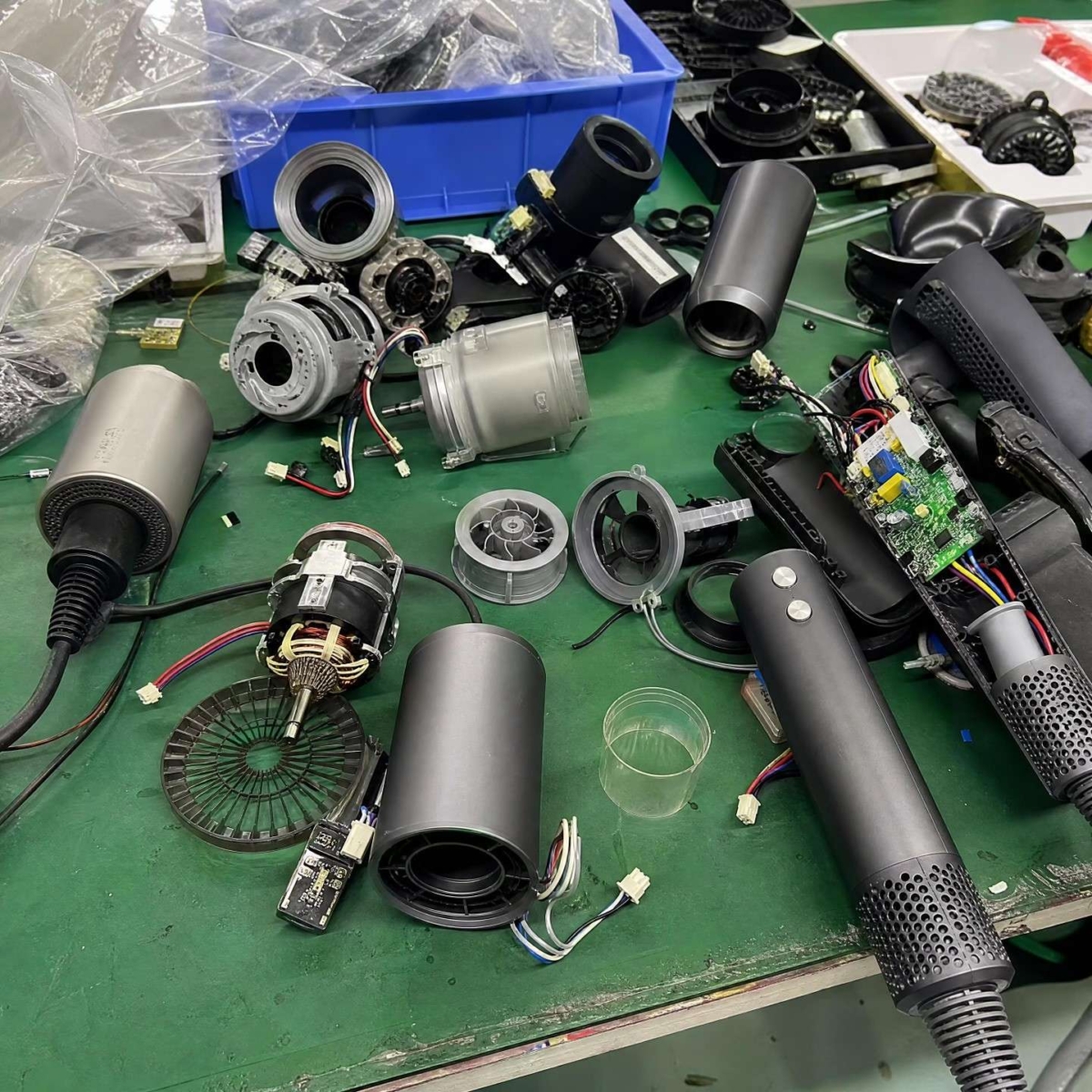
Platform-Based Development
Baile starts with an established hair dryer platform and develops a new market position through a supported motor route, control combination, finish, accessory set, and branded presentation. This route reduces structural change while creating a product that fits a defined channel and price band. Engineering work confirms that each selected change remains compatible with the platform, test route, assembly process, and intended market.

Appearance and Feature Upgrade
Baile changes visible product elements and selected functions while retaining a controlled technical foundation. The scope can include housing details, grip, colors, surface finish, controls, indicators, ionic-function options, nozzles, diffusers, or set configuration. Samples confirm appearance and operation, while DFM and production review prevent decorative changes from creating heat, fit, assembly, durability, or cost problems across the approved product and packaging system.
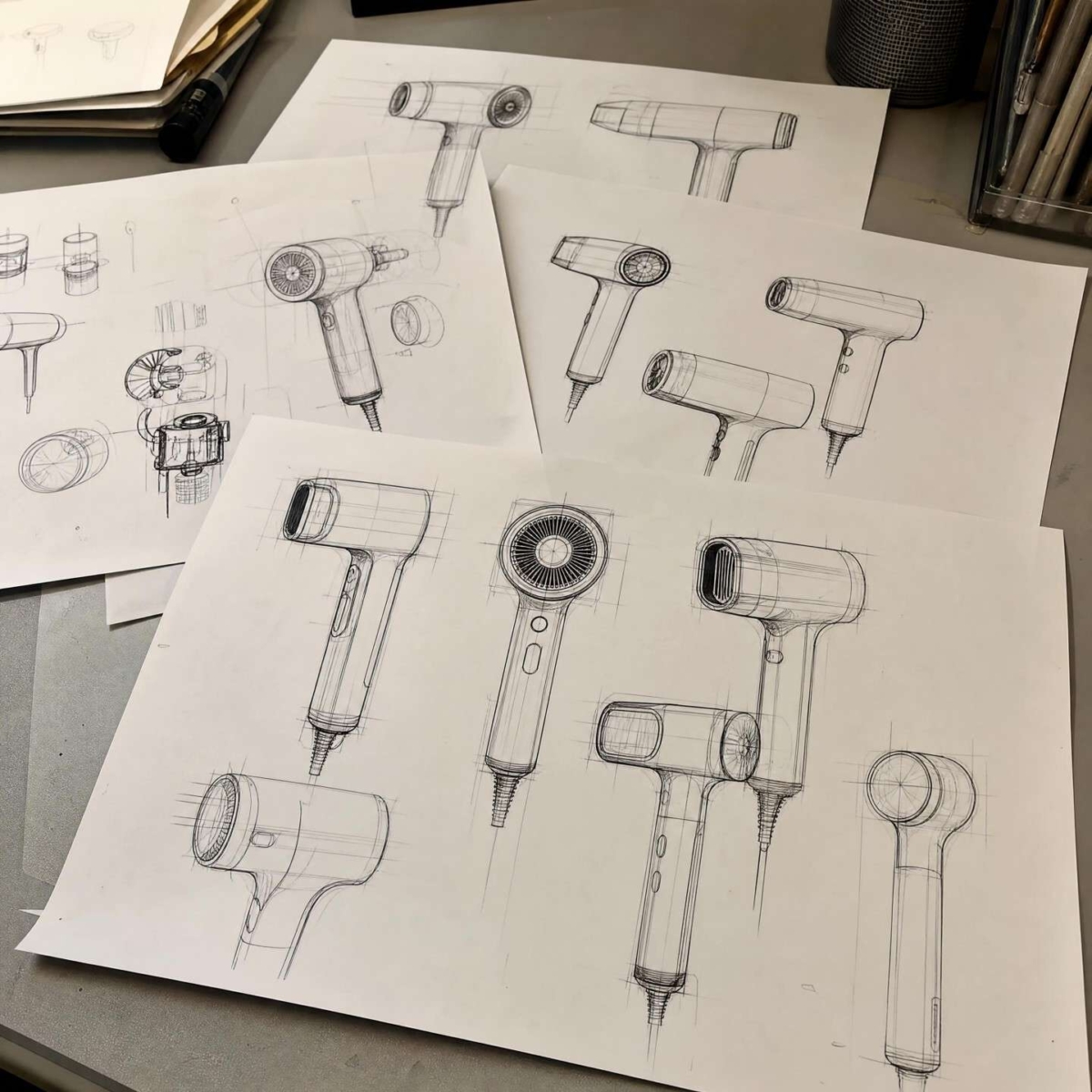
New Structure Development
Baile develops a new internal or external architecture around the intended motor, airflow, heating, controls, use scenario, and product identity. Industrial design, structure, DFM, prototype work, electrical review, performance verification, and packaging development advance together. This route suits brands seeking stronger differentiation, new ergonomics, a different airflow system, or a proprietary attachment interface without treating the project as a simple shell change.

New Tooling Program
Baile carries a qualified concept through part breakdown, tooling assessment, prototype review, mold design, trial molding, correction, sample approval, pilot production, and mass-production transfer. Tooling can cover housings, handles, nozzles, brackets, stands, decorative parts, or accessory interfaces. The route locks mold ownership, files, appearance standards, assembly fit, production controls, and approval responsibilities before bulk orders rely on the new platform.
Hair Dryer Platforms Ready for ODM Development
Baile organizes product platforms around the intended user, channel, performance target, price band, and brand position. Each platform provides a controlled development starting point rather than a fixed catalog answer. Final motor, airflow, power, voltage, temperature, controls, accessories, materials, packaging, and market documentation remain tied to the selected model and approved project specification. This approach supports both focused single-product launches and coordinated hair appliance collections.

High-Speed Hair Dryers
High-speed platforms support premium retail, DTC, gifting, and personal-care programs. Baile develops brushless motor options together with impeller balance, airflow path, heating response, NTC control options, PCB protection, ionic-function options, housing weight, noise direction, magnetic attachments, and refined finishes. The development target is a coordinated premium experience, not an isolated RPM claim that lacks model-specific test conditions or production controls.

Professional Salon Dryers
Salon platforms prioritize airflow, heat delivery, repeated operation, handle balance, grip, control access, cord durability, nozzle stability, materials, and service-life expectations. Baile connects professional motor routes, heater structure, housing, cable, switches, concentrators, diffusers, and continuous-running checks. This platform supports salon brands and professional distributors that require efficiency, handling, durability, and stable operation to carry equal weight in the product specification.
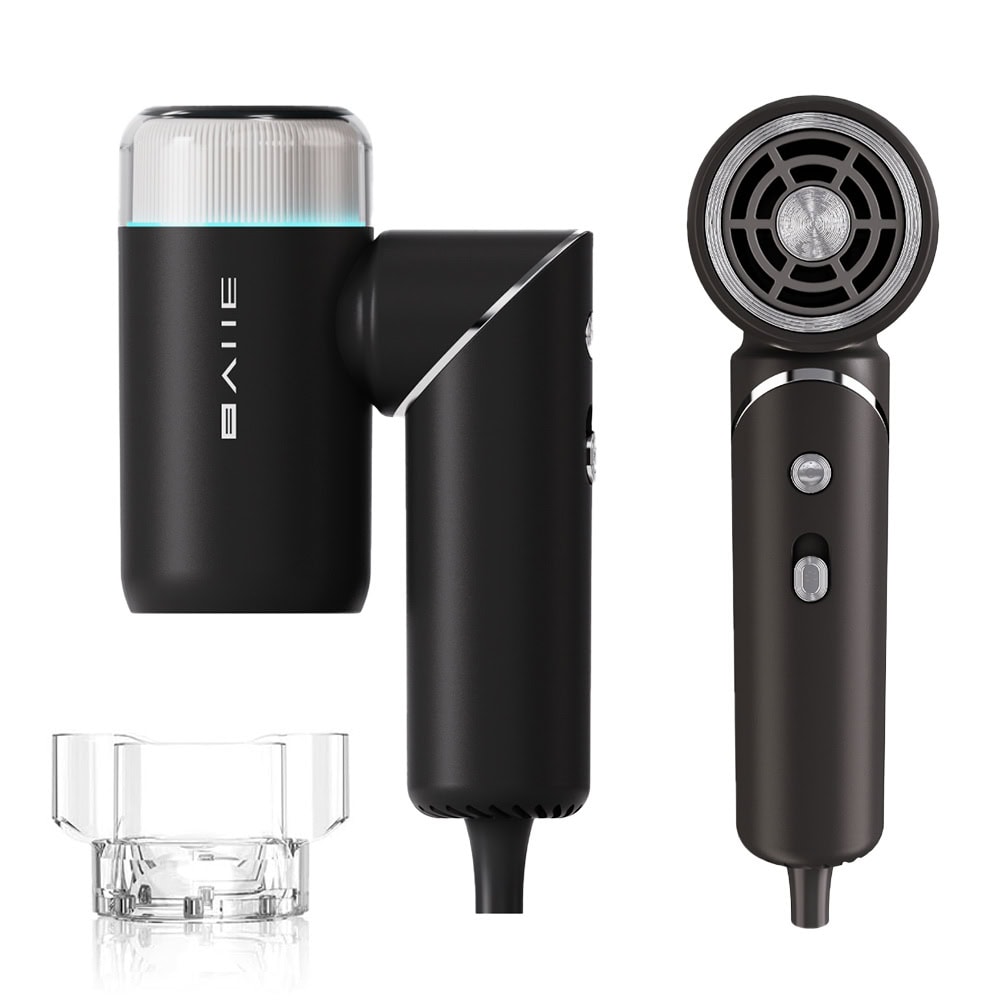
Travel Hair Dryers
Travel platforms are developed around compact dimensions, lower packing volume, foldable or fixed handles, portable accessories, and supported dual-voltage or market-specific electrical routes. Baile checks hinge structure, cable and plug information, voltage switching where applicable, housing strength, storage, instructions, and transport protection. This platform suits travel, hospitality, gifting, and retail programs where portability must remain compatible with electrical safety and repeatable assembly.

Multi-Function Stylers
Multi-function platforms combine drying with smoothing, curling, volumizing, straightening, or hot-air brushing through interchangeable heads. Baile develops the attachment interface, lock strength, airflow distribution, heat behavior, controls, handling, accessory combination, storage, and set packaging as one system. This route supports higher-value product kits and coordinated styling experiences instead of adding unrelated attachments after the main appliance has already been defined.
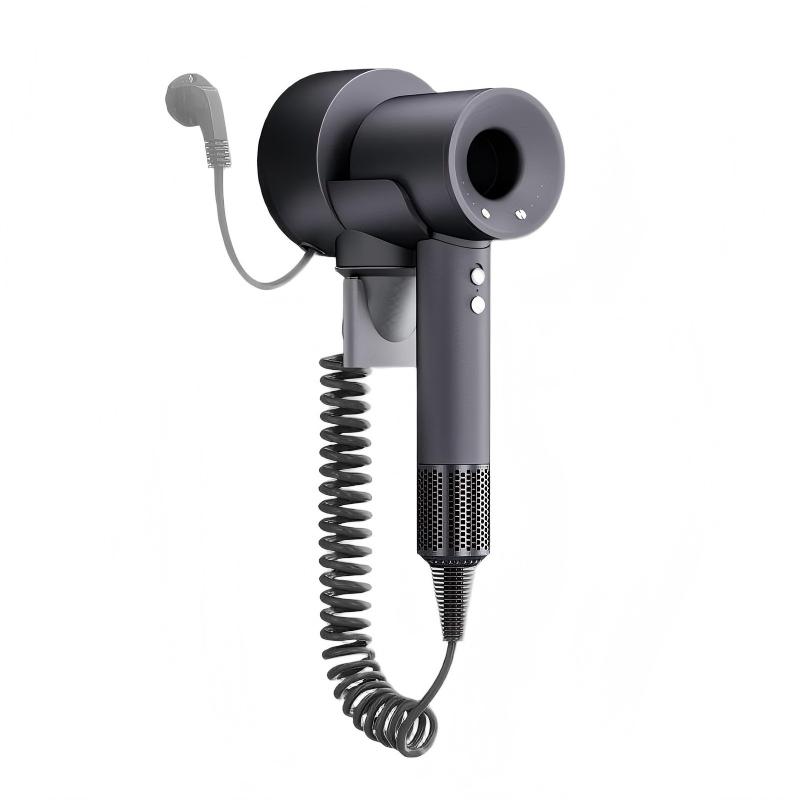
Wall-Mounted Dryers
Wall-mounted platforms serve hotels, apartments, gyms, changing rooms, and fixed-installation programs. Baile develops bracket strength, convenient removal, cutoff behavior, anti-theft direction, cable layout, housing durability, installation accessories, instructions, project labels, and batch packaging. The product is prepared around installation, room allocation, maintenance, replacement, and bulk delivery rather than being treated as an ordinary handheld dryer placed inside a different box.
Engineering the Hair Dryer as One System
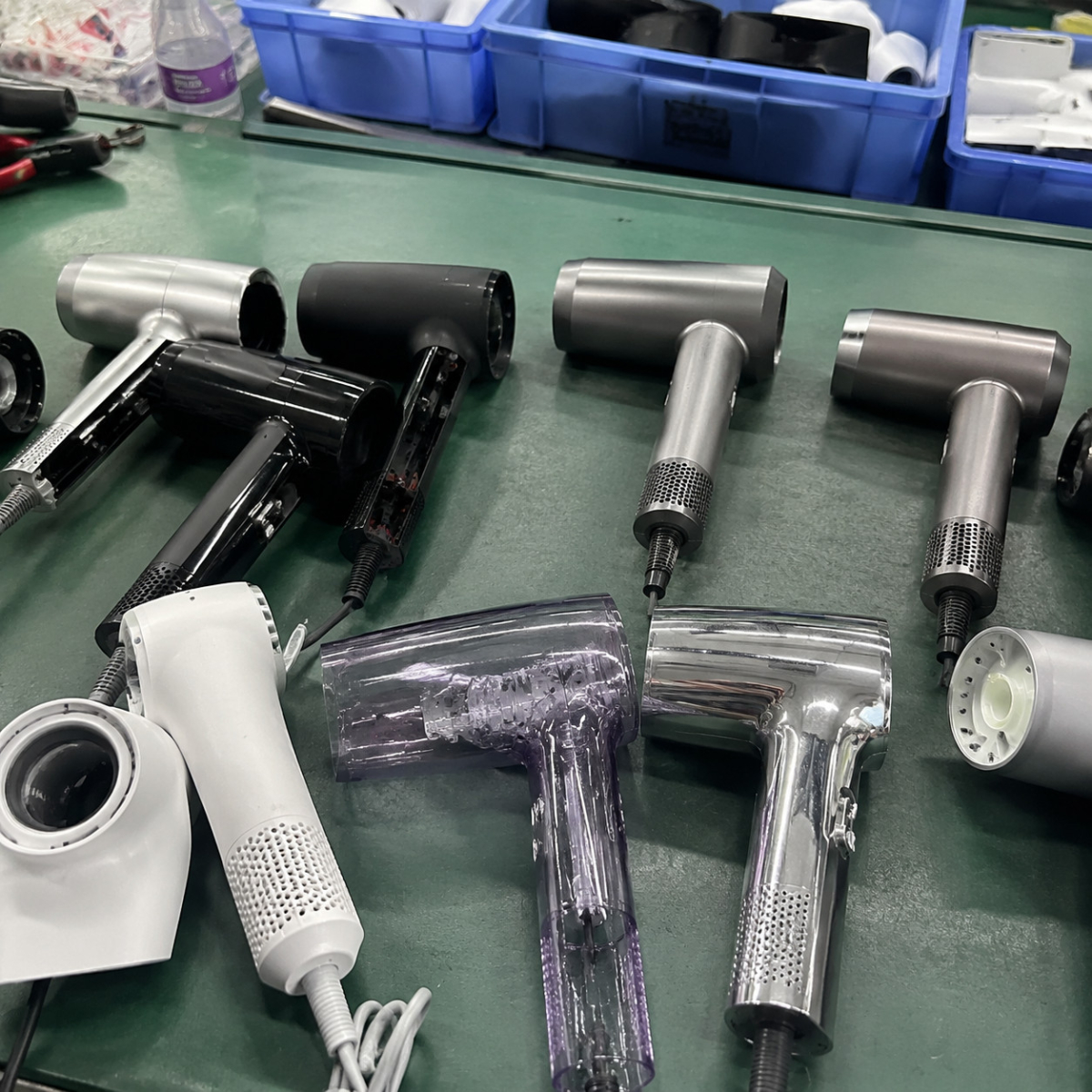
Baile does not develop appearance, airflow, heating, controls, and manufacturing as separate workstreams. Each decision changes the others. Motor selection affects duct size and noise; airflow changes heat transfer; heater structure changes materials and protection; housing design changes assembly and handling; tooling changes cost and repeatability. Baile connects these relationships through industrial design, engineering review, prototypes, model-specific testing, DFM, tooling, and production transfer.
Product Architecture Starts With the Commercial Position
Baile builds the product architecture around the intended market tier, sales channel, use frequency, target experience, accessory strategy, packaging format, and production volume. A premium high-speed dryer, a professional salon tool, a travel model, and a volume retail dryer cannot share the same engineering priorities simply because they all move heated air.
The product brief is translated into a controlled architecture covering:
- Product dimensions, weight direction, balance, grip, and control access
- Motor, impeller, inlet, filter, duct, heater, outlet, and nozzle relationship
- PCB, switches, indicators, NTC options, thermostats, and thermal fuses
- Housing materials, heat-resistant areas, assembly method, cable, and plug
- Accessory interface, storage, cleaning, packaging, and service route
Baile uses the resulting architecture to keep industrial design connected with technical feasibility. This prevents the external form from advancing before internal space, airflow, insulation distance, heat management, fastening, tooling, and assembly have a workable route.
Motor and Airflow Are Tuned Together
Baile offers high-speed brushless motor routes for premium dryers, mature brushed DC routes for cost-controlled retail models, higher-output DC or AC directions for selected performance and salon programs, and application-specific fan routes for specialty products. Motor selection is not released by RPM alone.
Engineering control points include:
- Motor position, fixing, vibration isolation, and operating stability
- Impeller diameter, blade geometry, balance, and motor matching
- Inlet area, filter resistance, duct section, seals, and leakage control
- Heater position, outlet size, concentrator, diffuser, and attachment effect
- Wind speed, airflow, noise, temperature, motor load, and handling trade-offs
Final numerical claims remain tied to the SKU, unit, distance, environment, method, sample date, and approved report or specification. Baile uses samples and defined conditions to turn a performance direction into a repeatable product standard.
DFM and Tooling Protect Mass-Production Repeatability
Baile reviews each new part for molding, appearance, assembly, inspection, repair, cost, and stable production. DFM covers part breakdown, draft, wall thickness, ribs, bosses, clips, screw positions, split lines, shrinkage, deformation, surface requirements, material flow, cable routing, safety clearance, and assembly access. The review turns a design file into a manufacturing route.
Tooling development can include:
- Housing, handle, filter, nozzle, diffuser, bracket, stand, and decorative-part molds
- Prototype or hand-board review before mold release
- Mold quotation, schedule, ownership, maintenance, and change control
- T0 or T1 trial samples, dimensional and appearance review, and correction
- Assembly, function, airflow, temperature, safety, finish, and packaging verification
- Pilot production before full mass-production release
Baile uses the approved sample and released files as the reference for production and inspection. Mold completion alone does not authorize mass production; trial, correction, verification, and production readiness close the development loop.
Heating and Protection Form One Thermal System
Baile develops the heater, airflow, sensing, protection, materials, and control logic as one thermal system. Available routes can include mica heating frames, nichrome or corrugated heating wire, selected PTC applications, thermostats, thermal fuses, NTC sensing, control-board logic, and abnormal-temperature protection. The final combination depends on the product structure, power, voltage, airflow, intended use, and market route.
Thermal development checks:
- Heating-frame position, winding distribution, fixing, and insulation distance
- Outlet temperature across released heat and speed modes
- Housing, handle, outlet, and internal temperature rise
- Air-inlet restriction, abnormal operation, cutoff, and recovery behavior
- Cable, plug, current, voltage, grounding or double-insulation construction
- Material resistance near the heater and other high-temperature areas
Baile records the approved operation and protection direction before production transfer. High quality is supported by component checks, temperature testing, electrical safety controls, aging, and outgoing inspection rather than by an unsupported adjective.
Build the Right Product Specification
Baile converts the brand position into a connected product specification. Each selection affects performance, cost, structure, testing, packaging, market preparation, and production consistency. The table shows the available direction and the controlled output for each decision. Model-specific values are released only with their unit, operating mode, test distance, environment, method, sample, and source, preventing typical industry ranges from being presented as guaranteed performance for an unconfirmed product.
| Decision Area | Baile Development Direction | Product Impact | Controlled Output |
|---|---|---|---|
| Motor platform | High-speed brushless, brushed DC, higher-output DC, AC, or specialty fan route | Airflow, noise direction, electronics, housing, product life target, cost, and positioning | Motor specification, sample, operation record, approved model route |
| Airflow system | Inlet, filter, impeller, duct, heater position, outlet, seal, and nozzle matching | Drying behavior, wind concentration, heat transfer, motor load, vibration, and attachment performance | Structure release, sample comparison, model-specific wind data when required |
| Heating and control | Heating-frame route, thermostat, thermal fuse, NTC option, control logic, heat and speed modes | Warm-up, outlet temperature, heat stability, protection behavior, materials, and user experience | Component list, function standard, temperature and protection record |
| Power and electrical | 100-120V, 220-240V, supported dual-voltage routes, market plugs, cable, rating label | Heater, current, cable, plug, testing, certification, label, manual, and destination-market preparation | Electrical specification, rating artwork, cable and plug record, document route |
| Noise and handling | Motor balance, impeller balance, duct resistance, shell resonance, assembly fit, weight distribution, grip | Comfort, professional fatigue, premium perception, pet or kids acceptance, and reviews | Defined comparison condition, sample approval, noise record when specified |
| Materials and finish | ABS, PC, PC+ABS, PP, PA66, heat-resistant or flame-retardant options; paint, UV, metallic, matte, gloss, or soft touch | Heat resistance, strength, appearance, hand feel, scratch risk, color control, MOQ, and cost | Material reference, color board, finish sample, first-article standard |
| Controls and accessories | Mechanical or electronic controls, indicators, ionic option, concentrator, diffuser, magnetic nozzle, comb, hose, bracket, stand | Feature clarity, differentiation, structure, instructions, package size, test scope, and price band | Function list, accessory sample, interface check, manual and packing approval |
From Product Brief to Production Approval
Baile moves an ODM hair dryer through six controlled gates. Each gate converts an idea into a more precise and manufacturable product standard. Commercial, design, engineering, quality, packaging, and production information advance together, while unresolved structure, safety, cost, tooling, or approval issues remain visible before the next investment is released. The process creates a traceable route from product definition to an approved standard ready for stable bulk production.
Define Product Architecture
Baile establishes the user, channel, price band, product platform, performance direction, key functions, market route, accessories, packaging level, volume, and launch timing. The output is one development brief with a defined scope and project route.
Complete Engineering Review
Baile connects industrial design, structure, motor, airflow, heating, controls, materials, cable, plug, accessories, safety, DFM, tooling, cost, and test direction. The output is a feasible engineering and sample plan with defined responsibilities.
Build Development Samples
Baile prepares the appropriate prototype, appearance sample, functional sample, color sample, accessory sample, or packaging sample. Each sample has a stated approval purpose instead of being treated as an informal demonstration unit.
Verify and Correct
Baile checks appearance, fit, operation, airflow, temperature, noise where specified, protection, controls, accessories, labels, and packaging. Recorded findings drive design, component, tooling, process, or artwork corrections before formal product release.
Release Tooling and Sample
Baile completes trial molding and correction where new tools are involved, then locks the approved product, finish, function, accessory, label, manual, and packaging standard. Released files and samples become production references.
Validate Production Transfer
Baile prepares the BOM, process, inspection plan, first-article standard, fixtures, packaging files, labels, records, and pilot-production review. Production begins after the product and control route are ready to be repeated.
Manufacturing Resources Behind Baile ODM
Baile was established in 2024 and is supported by a manufacturing system developed since 2003. The resources below connect tooling, molded parts, engineering transfer, assembly, aging, quality, and capacity planning within an ODM production route. Figures are reference facts for the supporting manufacturing system and remain subject to model structure, customization, material readiness, inspection scope, packaging complexity, and production schedule.
System Since 2003
The supporting manufacturing system has developed mold making, plastic injection, component preparation, assembly, testing, packaging, and export-production experience since 2003. Baile itself was established in 2024, so the two dates are stated separately. This background supports product development and production transfer without misrepresenting the legal company's incorporation history.
Integrated Plastic Production
The manufacturing system includes approximately 100+ injection-molding machines supporting ABS, PC, PP, and other project-approved plastic materials, with mold capability for hair dryer housings, handles, filters, nozzles, brackets, stands, and styling-tool parts. Molded parts enter appearance, dimension, color, fit, and incoming-control routes before assembly.
Ten Assembly Lines
Ten automatic and semi-automatic assembly lines support different product structures and order plans. Controlled stations can cover motor, impeller, heating components, PCB, switches, cable, housing, fasteners, accessories, function checks, appearance review, labels, and packing. Line preparation follows the approved sample, BOM, process, and inspection standard.
Engineering Production Transfer
30+ research and engineering team members support industrial design, structure, airflow, electrical configuration, samples, tooling, manufacturing feasibility, and production transfer. Engineering converts approved product decisions into drawings, component requirements, process controls, fixtures, test points, and production references that can be repeated by the manufacturing team.
Aging and Test Resources
Twelve aging rooms can support continuous-running checks, while laboratory equipment covers wind speed, temperature, noise, voltage, current, withstand voltage, grounding resistance, leakage current, cord movement, and package-drop directions. Final test scope, condition, sample quantity, duration, and record type are confirmed by model and order.
Planned Bulk Capacity
Reference monthly capacity is approximately 40,000 units. Baile plans capacity against product complexity, material readiness, line configuration, test time, packaging, inspection, season, and delivery window. Production release connects the approved sample, BOM, first article, process inspection, aging, packing, outgoing inspection, and shipment record instead of treating output volume as the only measure.
Quality, Testing and Market Compliance
Baile controls ODM quality from released materials and first-article approval through process checks, model-related performance and electrical verification, aging, packaging, outgoing inspection, and traceability. Certification support is connected with the selected model, voltage, plug, construction, destination, and sales channel. A certificate logo does not replace a test result, and a factory capability does not mean every SKU already carries every certification.
Incoming Control and First Article Lock the Standard
Incoming materials must pass the released specification and inspection route before they enter production. Controlled items can include motors, impellers, heating frames, heating wire, thermostats, thermal fuses, PCB assemblies, ionic modules, switches, cables, plugs, molded parts, nozzles, manuals, labels, color boxes, inner trays, and cartons.
Baile checks:
- Supplier, model, specification, batch, quantity, appearance, and function
- Plastic color, deformation, flash, shrinkage, scratches, clips, bosses, and fit
- Electronic component position, soldering, insulation, wiring, and initial operation
- Packaging artwork, language, barcode, label, carton, and version accuracy
The first article then confirms appearance, finish, logo, controls, wind and heat modes, accessories, cable, plug, manual, labels, packaging, and carton marks. The released first article prevents sample-to-bulk drift before full line production continues.
Performance and Reliability Follow Defined Conditions
Baile aligns the test plan with the approved product specification. Available checks include wind speed, airflow, outlet temperature, temperature stability, power, current, voltage, noise, vibration, ionic-function operation, button and mode function, accessory fit, continuous running, aging, cord movement, drop, vibration, and packaging protection.
Production control points include:
- Process patrol checks for assembly, wiring, fastening, fit, controls, and appearance
- Functional checks across released speed, heat, cold-air, mode, and indicator settings
- Model-specific performance checks using defined units, distances, modes, and environments
- Aging for motor, heater, controls, protection, odor, abnormal heat, and stable operation
- Final appearance, accessory, label, manual, packaging, and carton verification
Results are recorded according to the agreed inspection plan. Typical ranges are not presented as guaranteed SKU data without a matching sample, condition, and source.
Compliance and Traceability Continue Through Shipment
Baile supports market-related routes including CE, LVD, EMC, RoHS, REACH, ErP, UKCA, CB, ETL, UL, FCC, PSE, KC, SAA, RCM, and GS directions where applicable. Available documents are confirmed by product model. Additional testing or certification coordination depends on the final construction, voltage, plug, destination, channel, laboratory scope, cost, and schedule.
Shipment release can include:
- FQC or agreed final inspection and outgoing release
- AQL 1.0, 1.5, 2.5, or 4.0 when confirmed for the order
- SGS, BV, Intertek, or customer-designated third-party inspection support
- Order number, production date, material batch, line, QC, packing, and shipment records
- Inspection report, packing list, invoice, carton data, test files, and agreed compliance documents
Batch traceability supports complaint analysis, affected-lot identification, corrective action, replacement or rework decisions, and prevention on later orders.
Packaging Built for Brand and Channel Launch
Baile develops packaging as part of the approved, sellable, and shippable ODM product. The packaging route connects brand presentation, product protection, accessories, instructions, labels, channel handling, carton data, and version control. Approved packaging samples and released files give production, quality, warehouse, retail, e-commerce, and logistics teams one standard for the final SKU. Packaging remains matched to the product dimensions, finish, accessory set, destination, and sales channel.

Retail Shelf System
Baile supports color boxes, display-oriented layouts, window structures where suitable, paperboard or molded trays, manuals, warranty cards, safety sheets, barcode positions, specification content, certification marks, importer information, and carton marks. Retail approval checks artwork version, color, scan accuracy, accessory presentation, warning content, and consistency across each SKU and language version before bulk packaging enters production and final inspection for every released SKU.
Premium Gift System
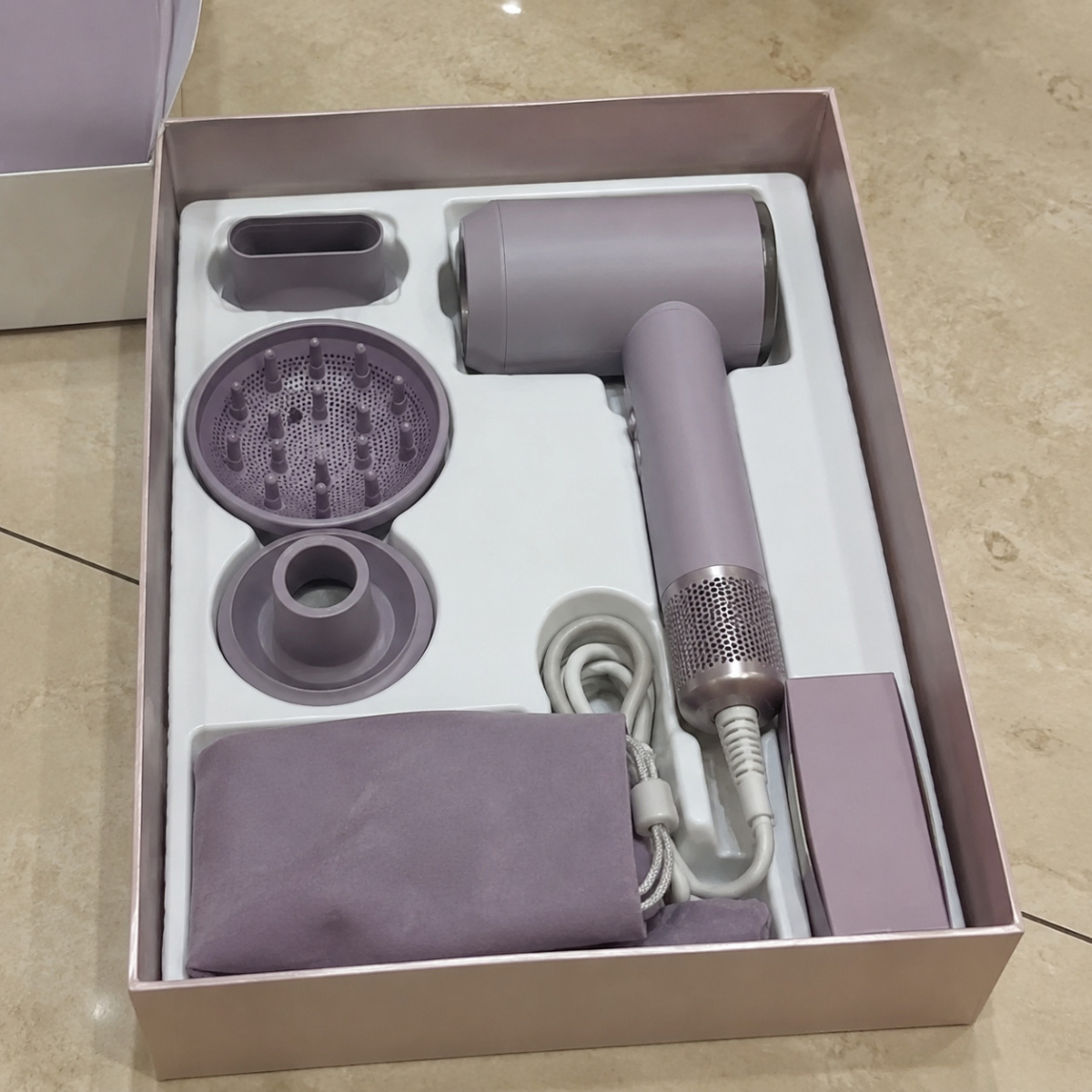
Baile develops rigid boxes, magnetic structures, premium paper finishes, molded pulp, EVA or paperboard trays, storage bags, accessory zones, brand cards, and coordinated unboxing layouts. The approved route connects premium presentation with scratch protection, drop protection, package size, packing efficiency, material choice, and cost. Product finish, accessories, manuals, and brand content are reviewed together instead of as separate packaging purchases.
E-Commerce Delivery System
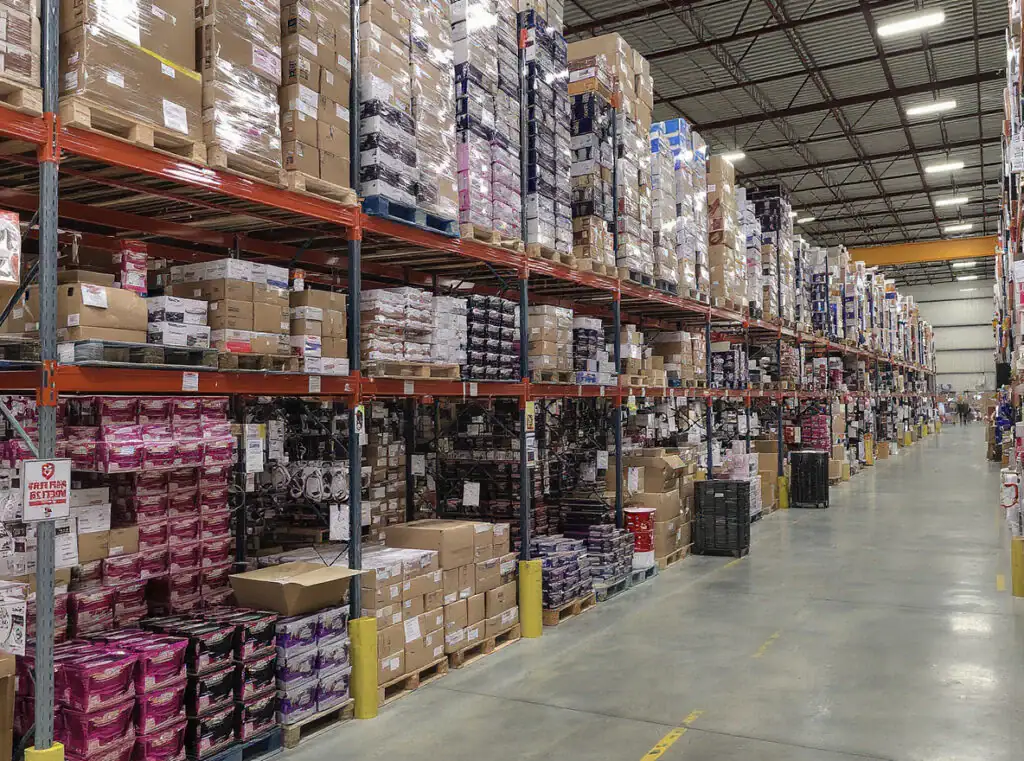
Baile supports product labels, SKU labels, FNSKU labels, warning labels, set labels, outer-carton labels, barcode scanning, inner fixation, edge protection, and transport-ready carton information. E-commerce packaging is prepared to reduce movement, missing accessories, incorrect labels, mixed SKUs, and avoidable transit damage. Final packing checks match the released product, accessories, manual, labels, box, and carton with the order record before shipment.

Multi-Market Export System
Baile supports English and other market-required packaging languages, manuals, rating information, safety warnings, barcode files, batch labels, export cartons, shipping marks, packing lists, gross and net weights, carton dimensions, and customer-designated forwarder preparation. Each market version is controlled as a separate released file set so plug, voltage, language, label, product, accessory, and carton information remain aligned during repeat order release.
Representative ODM Projects and Evidence
These representative scopes show how Baile combines product definition, engineering, samples, tooling, quality, compliance preparation, packaging, and production around a specific hair dryer program. Customer names, models, order quantities, test data, and commercial results remain confidential unless written publication approval is available. Supporting images and files must come from the corresponding project or manufacturing process; certificates and reports remain model-specific and are displayed only after their scope is confirmed.
Premium High-Speed Platform for a Personal-Care Brand
Use Scenario: A European or North American personal-care brand develops a differentiated high-speed dryer for premium retail, DTC, or gifting channels.
Key Challenge: The product must create a coherent premium experience rather than repeat a generic high-RPM claim. Motor, impeller, airflow, heat response, PCB protection, housing balance, controls, noise direction, magnetic attachments, finish, packaging, labels, and destination-market electrical information must describe one manufacturable product.
Baile Solution: Baile builds the platform around a brushless motor route, matched airflow structure, heating and temperature-control direction, control-board protection, housing and grip, nozzle interface, finish sample, logo method, packaging structure, manual, rating label, and defined performance and safety checks. Prototype and functional-sample findings are converted into structure, component, tooling, process, or artwork corrections before the approved product standard is released.
Result: The project reaches production preparation with a defined architecture, approved operation, controlled appearance, released accessory set, market-related document route, inspection plan, and shipment-ready packaging. Production no longer depends on a reference image or a motor-speed headline.
Project Data: Representative project scope based on Baile's documented high-speed hair dryer development direction. Final power, voltage, motor, wind data, temperature, noise, tooling, MOQ, timing, certification status, and order result remain project-specific.
Professional Salon Dryer Built for Repeated Daily Use
Use Scenario: A professional hair appliance brand or salon distributor develops a dryer positioned around airflow efficiency, repeated use, handling, and accessory stability.
Key Challenge: High power alone does not create a professional product. Motor durability, airflow volume, heater behavior, handle temperature, grip, control access, cord movement, housing materials, concentrator fit, diffuser stability, continuous operation, and service expectations must remain balanced through development and bulk production.
Baile Solution: Baile connects the selected motor and impeller with the airflow path, heating frame, temperature and protection components, handle structure, controls, cable and strain relief, concentrator, diffuser, housing materials, assembly standard, and professional packaging. Sample approval checks operation, handling, accessory fit, wind and heat behavior, abnormal temperature protection, appearance, labels, and packing. Production controls add first article, process patrol, aging, final inspection, and outgoing release.
Result: The released program has a professional-use specification and inspection route that covers performance, durability direction, handling, accessories, presentation, and shipment. The brand can compare sample and bulk output against the same controlled reference.
Project Data: Representative project scope based on Baile's professional salon dryer manufacturing direction. Final motor, power, cable, continuous-running condition, test data, certification, quantity, and commercial outcome remain tied to the actual approved project.
Travel Dryer Adapted for Multiple Retail Markets
Use Scenario: A global retail or travel-goods program develops a compact dryer for selected North American, European, UK, or other market versions.
Key Challenge: Compact size, handle structure, power, voltage, plug, cable, rating label, manual, warnings, packaging, barcode, and carton information must remain consistent for each market version. A visual color change cannot solve electrical, labeling, language, or logistics differences.
Baile Solution: Baile prepares the product around a supported compact platform, approved handle and housing structure, market-specific voltage and plug route, cable, rating information, instructions, warning content, accessory set, inner protection, color box, labels, and export carton. Each version receives controlled files and a matching sample purpose. Hinge, operation, temperature, protection, packing, barcode, and outgoing checks are assigned to the released model and order.
Result: The project can manage multiple destination versions without mixing electrical, artwork, manual, accessory, or carton information. Production and shipment records preserve the relationship between market, SKU, batch, and packaging version.
Project Data: Representative project scope based on Baile's travel dryer, voltage, plug, packaging, and export-support direction. Dual-voltage availability, certification status, quantities, timing, and final market versions remain model- and project-specific.
ODM Commercial Basis and Project Inputs
Baile separates commercial references by development depth. The confirmed quotation and schedule remain tied to the selected platform, engineering scope, tooling, test route, target market, packaging, quantity, material status, approval speed, production plan, and delivery term. Keeping these references in one section prevents sample, tooling, MOQ, and lead-time figures from changing across the page. The same table shows the project information that anchors an accurate technical and commercial discussion.
| Commercial or Project Item | Baile Reference | Scope and Condition |
|---|---|---|
| Existing-platform private label | Usually 1,000-3,000 pcs | Applies to an established platform with supported appearance, function, label, manual, accessory, and packaging adaptations |
| Custom color direction | Usually 2,000 pcs | Covers color matching, injection or painting route, finish sample, and bulk color-consistency control |
| ODM development MOQ | From 3,000 pcs | Applies to deeper appearance, structure, motor, airflow, heating, control, accessory, or platform development |
| New-tooling MOQ | Usually 3,000-5,000 pcs | Depends on tooling investment, part count, structure complexity, project depth, and production plan |
| Functional sample | Usually 15-30 days | Applies when motor, airflow, heating, temperature, controls, electrical configuration, or accessories change |
| New prototype | Usually 30-60 days | Applies to new industrial design or structure requiring engineering, prototype work, and verification |
| New-mold first sample | Usually 45-75 days | Depends on part and mold complexity, trial molding, correction, finish, assembly, function, and verification |
| Bulk production | Approximately 35 days | Counted after samples, tooling where applicable, packaging, order, materials, and released files are confirmed; project complexity can change the date |
| Mold development payment | Tooling fee before mold development | Mold scope, ownership, change responsibility, maintenance, and acceptance are defined in the project agreement |
| Standard bulk payment | 30% deposit, 70% before shipment | Final terms are stated in the quotation or agreement; long-term terms can be discussed against cooperation history |
| Technical inputs | Product platform, market position, use scenario, motor and performance direction, power, voltage, plug, functions, dimensions, weight, and accessories | Reference images, drawings, CAD, existing samples, specifications, or an early product concept can anchor the development brief |
| Commercial inputs | Target market, channel, expected quantity, target price band, packaging level, certification direction, launch date, and delivery route | These inputs define the investment, configuration, sample, tooling, production, and market-preparation route |
ODM Hair Dryer Manufacturer FAQ
These answers summarize Baile's ODM development, engineering, samples, tooling, testing, compliance, production, commercial references, and intellectual-property controls. Model- and market-specific information remains tied to the selected project and its released files. Each response states the available Baile route first and keeps commercial or compliance conditions attached to the relevant project.
What does Baile hair dryer ODM include?
Baile ODM can include product definition, industrial design, structure, motor and airflow engineering, heating and controls, prototypes, DFM, tooling, trial molding, samples, pilot production, quality verification, packaging, and mass-production transfer.
How is ODM different from private label OEM?
Private label OEM adapts an established product platform. ODM creates deeper changes in appearance, structure, function, performance, tooling, or accessories and therefore uses additional engineering, sample, validation, and production-transfer gates.
Can Baile develop a new housing and mold?
Yes. Baile supports industrial design, structural engineering, DFM, prototypes, mold assessment, mold development, trial molding, correction, approved samples, pilot production, and mass-production transfer for qualified projects.
Which motor routes does Baile support?
Baile supports high-speed brushless, mature brushed DC, higher-output DC, professional AC, and specialty fan directions. The final route is matched with airflow, heating, controls, structure, noise direction, cost, and product positioning.
How does Baile verify a new design?
Baile uses the sample type required by the development gate, then checks appearance, fit, operation, airflow, temperature, protection, controls, accessories, labels, and packaging. New tooling also passes trial, correction, approval, and pilot-production review.
What is the MOQ for ODM development?
The reference ODM MOQ starts from 3,000 pieces. New-mold programs are usually 3,000-5,000 pieces. Final quantity depends on platform, parts, tooling, materials, configuration, packaging, testing, and production plan.
Does every model carry the same certifications?
No. Certification status is tied to the model, construction, voltage, plug, destination, and channel. Baile confirms available documents for the selected model and coordinates additional testing or certification routes where required.
How is sample-to-bulk consistency controlled?
Baile releases an approved sample, BOM, process, first-article standard, inspection plan, packaging files, and labels before bulk production. Process inspection, function checks, aging, final inspection, outgoing release, and batch records maintain the link.
Can Baile support third-party factory inspection?
Yes. Baile supports SGS, BV, Intertek, or customer-designated inspection where agreed. The inspection scope, timing, sampling level, documents, corrective action, reinspection, payment, and shipment release are confirmed with the order.
How is ODM intellectual property handled?
NDA, design files, mold ownership, project access, approved suppliers, change control, publication rights, and product exclusivity are defined by the signed project agreement. Baile keeps controlled project files connected with the released development and production route.
Start Your Hair Dryer Project With BAILE
BAILE supports projects that begin with a specification sheet, reference model, product photo, existing sample, packaging artwork, private label request, or new market requirement. Clear information helps BAILE recommend a practical dryer route and reduce repeated clarification.
Project Brief Checklist:
- Hair dryer line, reference model, product photo, or sample.
- Target market, sales channel, estimated quantity, and order plan.
- Plug, voltage, frequency, rated power, motor, heater, airflow, temperature, and function needs.
- Logo, color, finish, label, manual, packaging, barcode, and carton mark requirements.
- Nozzle, diffuser, comb, stand, bracket, or accessory list.
- Certification route, sample purpose, destination, shipping term, launch timeline, and target price if available.