
Hair Dryer Factory in China
Hair Dryer Factory in China
Baile Technology operates a dedicated hair dryer manufacturing system for global brand and large-volume programs. The factory structure connects product engineering, mold development, injection molding, controlled assembly, performance measurement, electrical safety checks, aging tests, and documented quality control. Published facility, team, equipment, and reference-capacity data give sourcing, engineering, and quality teams a concrete view of Baile's manufacturing scope.
- BAILE’s manufacturing system includes operating factories in Dongguan and Chenzhou, Hunan, with a combined footprint of approximately 10,000 m². The Dongguan factory covers approximately 2,000 m². Including the Guangzhou Huadu mold factory, the three-site manufacturing footprint exceeds 30,000 m². The manufacturing system includes more than 800 people across production, engineering, design, quality, sales, project coordination, warehousing and operational support.
- 30+ R&D and engineering staff, 10+ quality and laboratory staff, and 10 production lines
- Guangzhou Huadu mold factory: 100+ injection-molding machines at the Guangzhou Huadu mold factory supporting mold development and plastic-part production
- 12 independent aging rooms plus performance, electrical safety, and reliability test equipment
- Reference production capacity of approximately 40,000 units per month
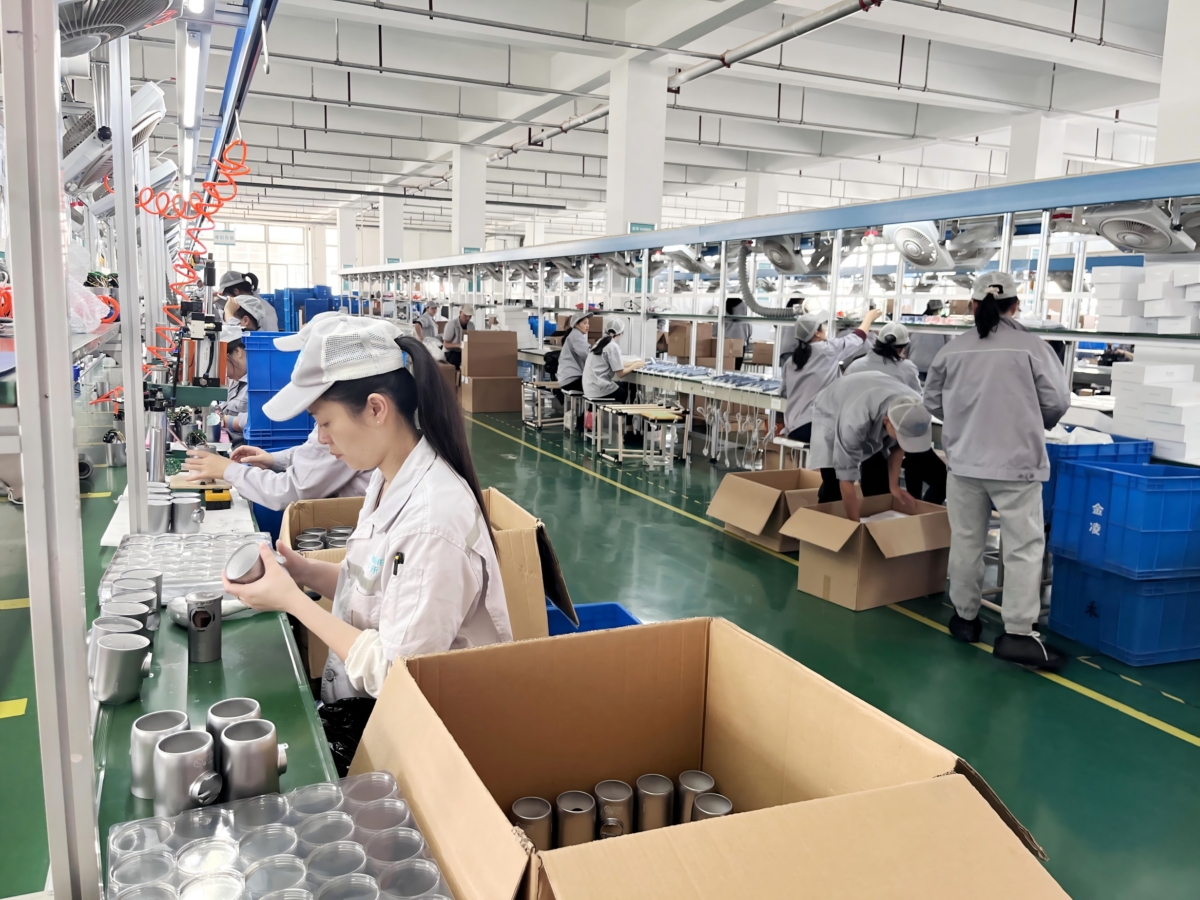
Baile Factory Identity and Manufacturing Network
Dongguan Baile Technology Industry Co., Ltd. is a B2B hair dryer manufacturer established in 2024 and supported by a manufacturing system that began in 2003. Baile connects engineering, mold work, injection molding, assembly, testing, quality control, and project coordination across its manufacturing network. The locations below are described by their actual operating roles so company history, factory scope, and manufacturing experience remain clear and verifiable.
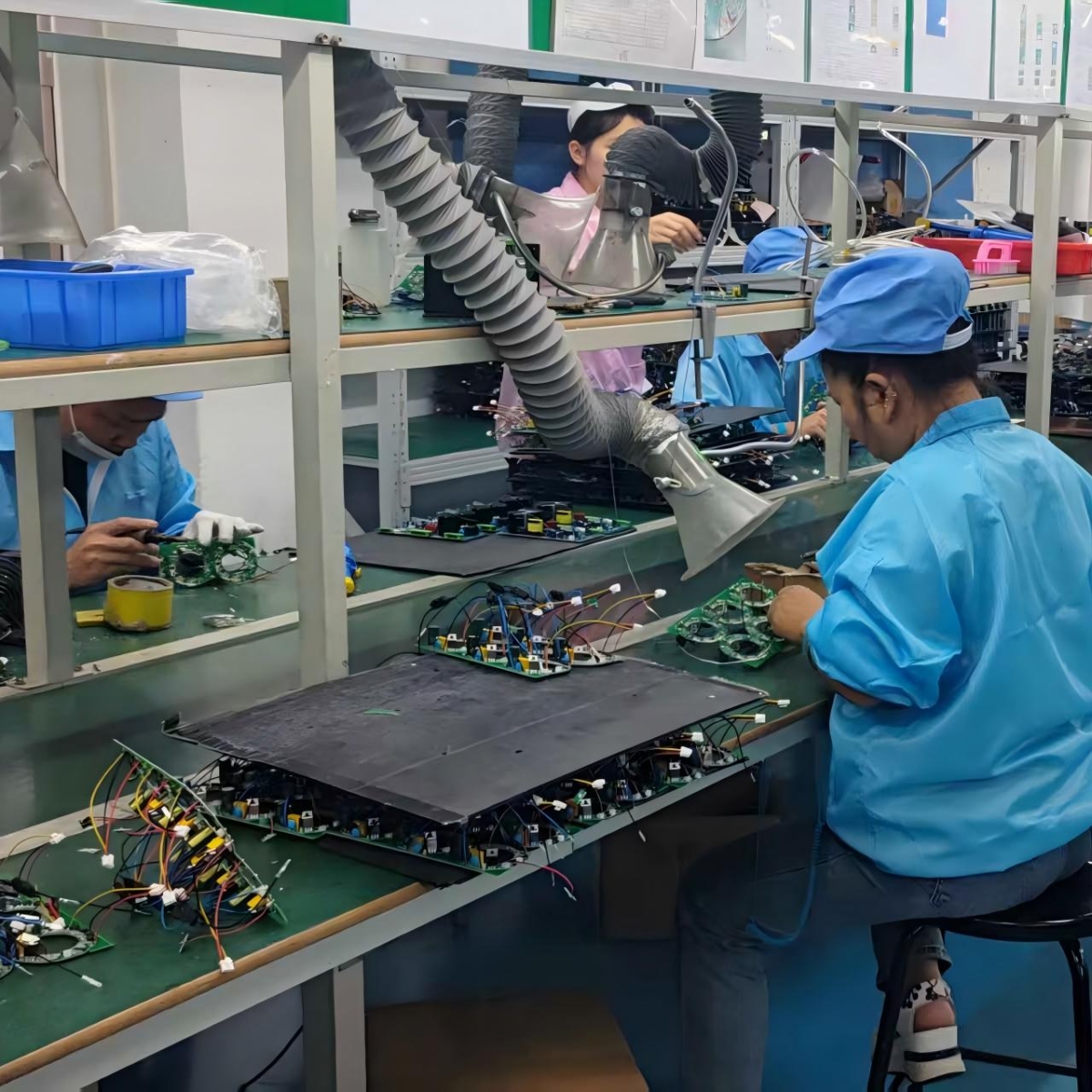
Company Identity and Manufacturing Foundation
Baile Technology focuses on hair dryer research, engineering, manufacturing, and controlled mass production for global B2B programs. The company organizes factory work around product structure, airflow performance, heating stability, electrical safety, molded-part quality, assembly consistency, measurable testing, and documented production release. Baile does not present itself as a general appliance trading company. Its manufacturing work is centered on hair dryers, styling appliances, and related components that require coordinated engineering and electrical-product quality control.
Baile Technology was established in 2024. The manufacturing system behind Baile began in 2003 and provides more than 20 years of accumulated mold, plastic injection, product assembly, testing, and export manufacturing experience.
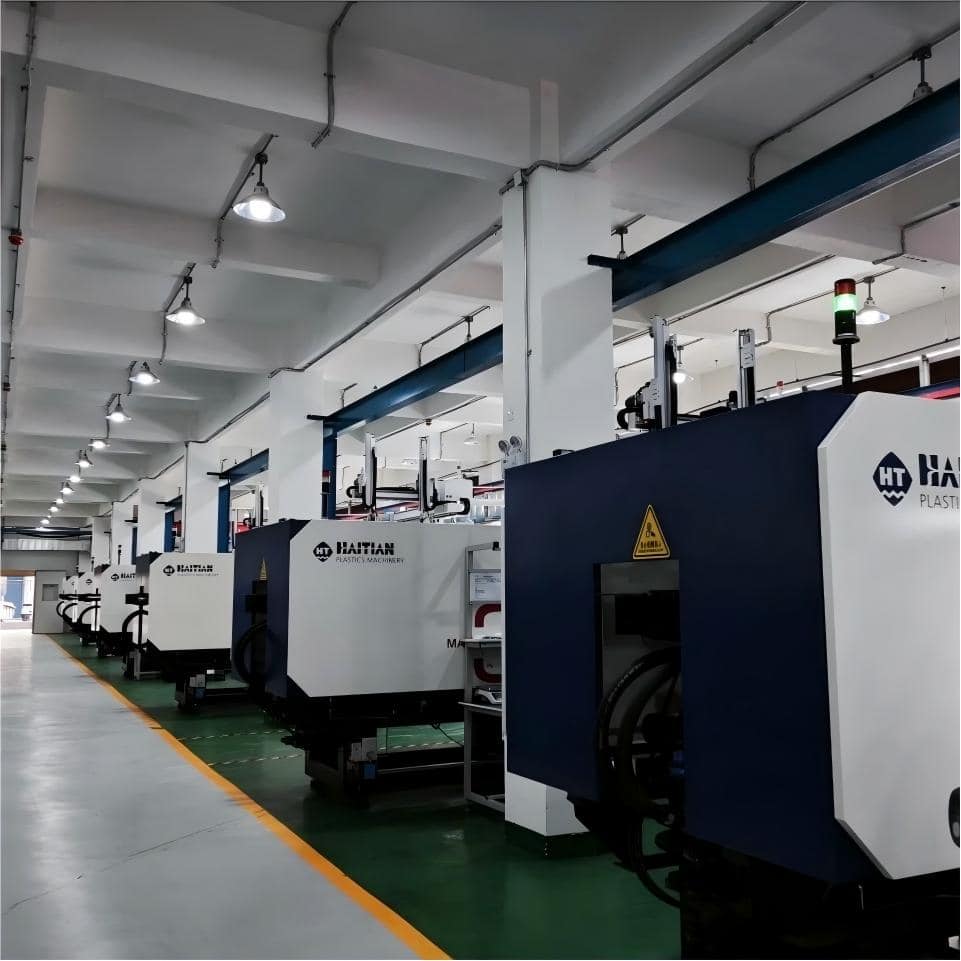
Three Manufacturing Network Locations
Baile’s Dongguan operation is located at Building 2, No. 13 Baima Pioneer Road, Nancheng District, Dongguan, Guangdong, China. It supports company operations, project coordination, and subassembly activities within the manufacturing system. Engineering requirements, production status, quality standards, inspection arrangements, and controlled factory documents are coordinated through the relevant teams at this operating point.
The mold manufacturing base is located at Factory No. 1, Aimin Road, Xiuquan Street, Huadu District, Guangzhou, Guangdong, China. It supports mold feasibility review, tool development, trial molding, dimensional and appearance correction, and production validation for housings, handles, nozzles, brackets, filters, and related plastic parts. Mold work is connected with structural engineering, injection conditions, part inspection, and assembly fit before production release.
Baile Factory Facts at a Glance
Baile publishes concrete manufacturing data so sourcing, engineering, quality, and compliance teams can understand the scale behind the factory description. The figures cover company identity, manufacturing history, facility area, team structure, assembly lines, injection molding equipment, aging resources, and reference capacity. They describe the Baile manufacturing system and must be reconfirmed whenever facility scope, workforce, equipment, or production configuration changes.
| Factory Area | Baile Manufacturing Data | Factory Role |
|---|---|---|
| Company | Dongguan Baile Technology Industry Co., Ltd. | B2B hair dryer manufacturing, engineering, production control, and project coordination |
| Company Established | 2024 | Current Baile company identity and operating structure |
| Manufacturing Foundation | Manufacturing system began in 2003 | More than 20 years of accumulated mold, injection, assembly, testing, and export manufacturing experience |
| Data Scope | Baile manufacturing system | Figures combine the relevant manufacturing-network functions and must not be presented as a single-site total unless verified |
| Data Status | Current Baile factory profile | Figures must be reconfirmed whenever facility scope, workforce, equipment, or production configuration changes |
| Total Factory Area | Approximately 10,000 m² combined Dongguan and Chenzhou, Hunan factory footprint; more than 30,000 m² across three sites including Guangzhou Huadu | Supports engineering, molding, assembly, testing, warehouse, and operational functions across the manufacturing system |
| Total Team | 800+ people across the manufacturing system | Provides engineering, production, quality, project, warehouse, and management coverage |
| R&D and Engineering | 30+ people | Product structure, airflow, thermal system, electrical safety, materials, mold coordination, and production feasibility |
| Production and Assembly | Component preparation, subassembly, final assembly, function checks, and production execution | |
| Quality Control | 10+ people | Incoming inspection, first-piece confirmation, process inspection, finished-product inspection, and outgoing review |
| Assembly Lines | 10 automatic and semi-automatic lines | Supports controlled hair dryer assembly and production scheduling |
| Injection Molding | 100+ injection-molding machines at the Guangzhou Huadu mold factory | Supports ABS, PC, PP, and related plastic-part production |
| Aging Facilities | 12 independent aging rooms | Each room can accommodate approximately 50-100 units for continuous-operation testing |
| Reference Capacity | approximately 40,000 units per month | Production reference based on the current manufacturing configuration; actual allocation follows model and order requirements |
Factory Teams Behind Every Production Program
Baile assigns defined responsibilities across engineering, production, quality, project coordination, operations, and management. Each team creates or controls specific factory information, from drawings and first-piece standards to line records and release decisions. This organization keeps technical requirements, material status, production execution, inspection results, issue escalation, and corrective action connected throughout manufacturing.
Engineering Team
Baile's 30+ member R&D and engineering team works on industrial design, internal structure, motor matching, airflow layout, heating systems, temperature protection, materials, accessories, mold coordination, and production feasibility. Engineering records turn product requirements into specifications that production and quality teams can follow.
Production Team
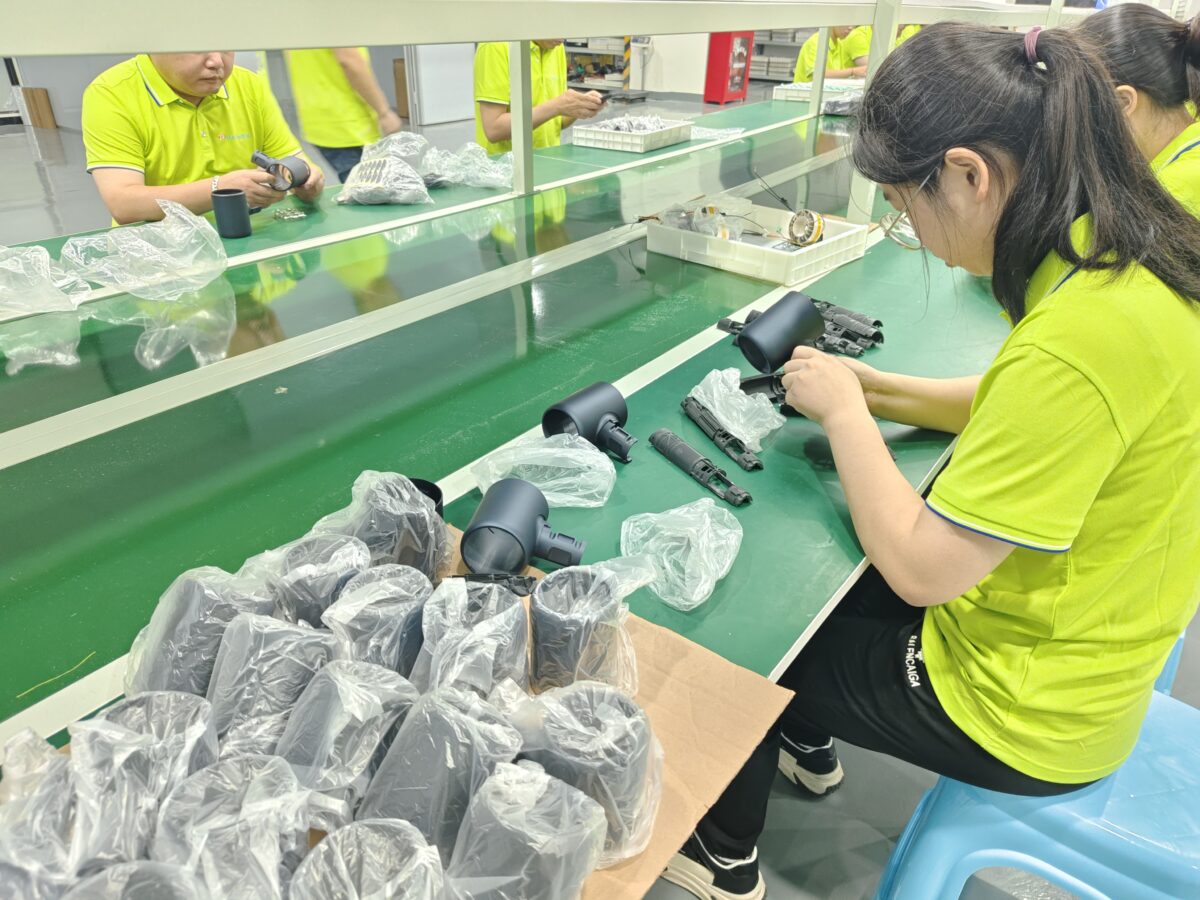
Production and assembly team members support component preparation, subassembly, final assembly, function checks, and line operations. Production control points cover motor fixing, heating frame placement, wire routing, housing closure, switch operation, cable strain relief, filter fitting, and accessory matching.
Quality Team
Baile's 10+ member quality and laboratory team covers incoming material checks, first-piece confirmation, process patrol inspection, semi-finished checks, finished-product inspection, test record review, outgoing inspection, nonconforming-product control, and third-party inspection coordination. Quality decisions are tied to approved standards and production records. Inspection outputs support line release and corrective action.
Project Coordination
Sales and project coordination staff connect approved requirements with engineering, production, quality, and management teams. They maintain specification versions, confirmation records, production updates, inspection arrangements, and issue communication so factory execution does not depend on disconnected messages. Defined ownership improves version accuracy during factory execution.
Operations Support
Warehouse, material, and operational support staff organize material identification, production-line supply, finished-goods status, batch separation, and internal movement. Their work supports accurate material release and keeps production quantities, batch information, and factory records aligned during manufacturing. This supports orderly line feeding and batch separation.
Management Support
Baile's management and support team coordinates production planning, resource allocation, quality escalation, document control, audit preparation, and corrective action. The management structure gives engineering, production, and quality teams a defined path for decisions that affect safety, consistency, capacity, or release.
Integrated Hair Dryer Manufacturing Capabilities
Baile connects six core factory functions in one controlled manufacturing system. Engineering decisions guide mold and injection work; approved parts and specifications guide assembly; measurable tests and quality records guide production release. Each capability below produces information, physical output, test results, or controlled records that the next factory stage can verify and use.
Product Engineering
Baile develops factory-ready product structures around motor position, impeller matching, airflow path, heating component placement, temperature protection, housing material, control layout, cable structure, filter access, nozzle fit, and assembly feasibility. Engineering decisions are checked against safety, performance, tooling, and repeatable production requirements.
Mold Development
Baile supports mold feasibility, tool structure review, trial molding, part correction, and production validation for housings, handles, nozzles, filter frames, brackets, and decorative parts. Mold control focuses on part shape, shrinkage, deformation, assembly fit, surface condition, and stable repeated molding.
Injection Molding
The Guangzhou Huadu mold factory uses 100+ injection-molding machines at the Guangzhou Huadu mold factory to produce ABS, PC, PP, and related plastic components. Injection control covers material identity, mold setup, first-piece approval, color, dimensions, burrs, shrinkage, deformation, scratches, fastening points, and part release before assembly. Released parts move forward with recorded inspection status.
Controlled Assembly
Ten automatic and semi-automatic assembly lines support motor installation, heating component assembly, PCB and wire connection, housing closure, button fitting, filter installation, cable fixing, nozzle matching, function checks, and production inspection. Approved references guide line execution and visible standards. Line records support later quality review.
Performance Testing
Baile checks wind speed, airflow, outlet temperature, heat and speed settings, noise, vibration, negative-ion function when included, and operating stability. Test conditions and acceptance requirements are connected to the selected model and confirmed production specification rather than broad marketing claims.
Safety Verification
Baile supports dielectric strength, insulation, grounding resistance when applicable, leakage current, temperature rise, overheat protection, cord pull, cord swing, button life, aging, and related reliability checks. Factory records connect these checks with product batches and release decisions. Results support release, isolation, and corrective-action decisions.
Hair Dryer R&D and Product Engineering
Baile's 30+ member R&D and engineering team connects product definition with factory execution. Engineering work covers visible design, internal structure, motor and impeller matching, airflow, thermal performance, electrical protection, materials, molds, assembly, test methods, and production feasibility. Specifications, drawings, measured results, physical references, and change records turn the approved technical direction into information that mold, production, and quality teams can follow repeatedly.
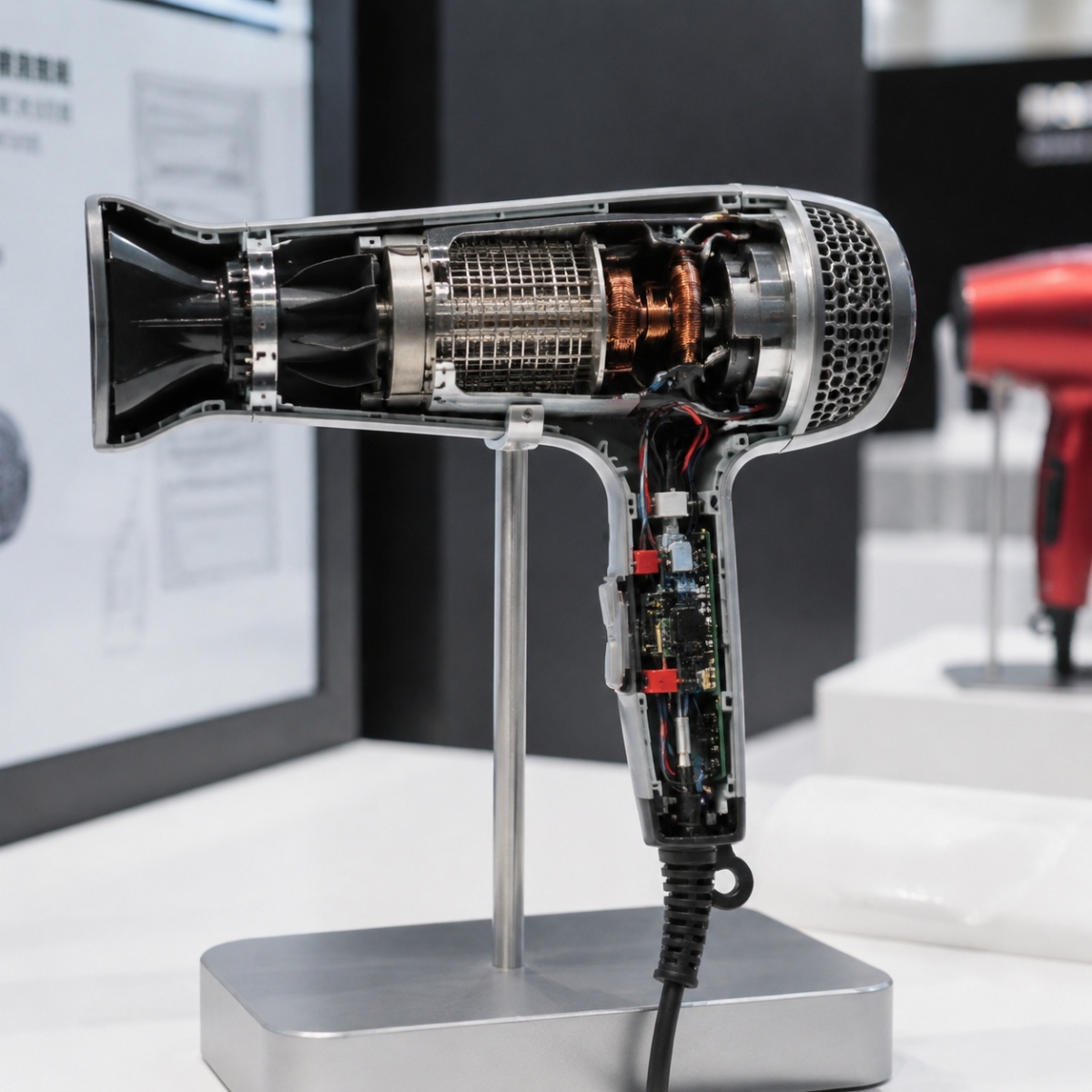
Structure, Motor, and Airflow Engineering
Baile develops housing proportion, handle geometry, air inlet position, outlet structure, button layout, filter access, nozzle interface, internal support points, screw locations, cable routing, and assembly sequence. Structural review checks wall thickness, fastening strength, internal clearance, component positioning, mold feasibility, insulation spacing, maintenance access, and inspection access. These decisions connect visible design with controlled assembly and repeatable production instead of treating the external housing as an isolated styling exercise.
The engineering team matches the motor, impeller, inlet area, air duct, heating section, outlet geometry, filter structure, and nozzle interface as one airflow system. Baile checks motor fixing, rotation stability, impeller balance, vibration, air leakage, duct resistance, housing resonance, and heat distribution. Wind speed and airflow targets are measured with the selected mechanical structure; they are not inferred from motor speed or rated power alone. Trial assemblies and functional units allow engineering to compare the design direction with actual sound, airflow, temperature, grip, component fit, and line-assembly behavior before the factory releases a production standard.

Thermal, Material, and Validation Control
Baile organizes heating wire layout, mica frame structure, thermostat position, thermal fuse position, insulation distance, NTC feedback when used, and clearance around the heating section. The engineering team connects heat settings with outlet temperature, temperature rise, continuous operation, restricted-airflow behavior, and overheat protection. This keeps user-facing thermal performance and internal electrical protection within the same engineering review rather than separating safety checks from product function.
Material review covers ABS, PC, PP, heat-resistant materials, surface processes, decorative parts, fasteners, wires, and insulation components according to structure and operating conditions. Production feasibility includes molding behavior, shrinkage, deformation, assembly tolerance, finish durability, test access, inspection repeatability, and line efficiency. Baile uses specifications, drawings, sample records, measured results, first-piece references, and engineering change records to connect decisions with manufacturing. Validation can include dimensional checks, trial assembly, function testing, airflow and temperature measurement, electrical safety checks, and aging observation. Approved information then becomes the controlled reference for mold work, material release, assembly, inspection, and later production changes.
Mold Development and Tooling Capability
Baile connects structural engineering with mold development for hair dryer housings and related plastic components. Tooling work covers DFM review, mold structure, material behavior, trial molding, dimensional and appearance correction, assembly verification, and production validation. Approved tools and molded parts are linked with first-piece references and inspection points so housings, handles, nozzles, filters, brackets, buttons, and internal components can remain stable across repeated manufacturing cycles.
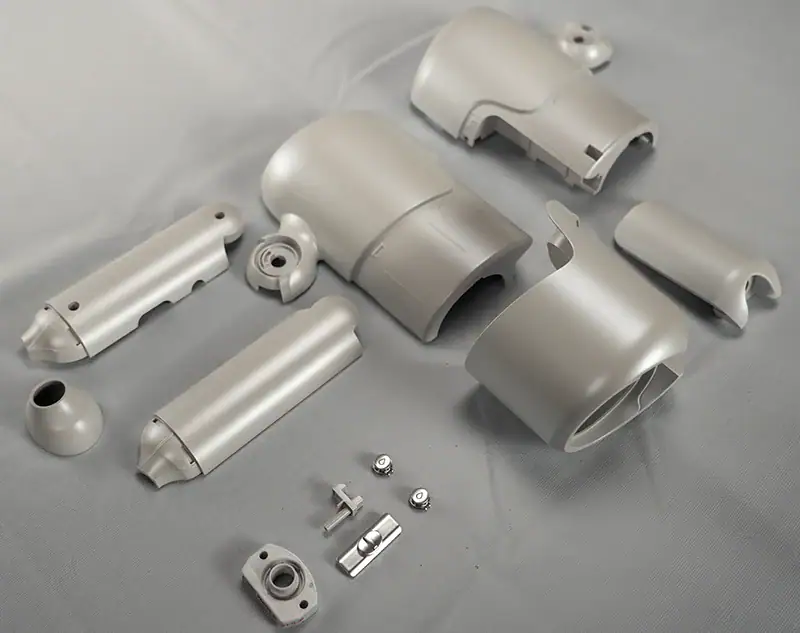
DFM and Hair Dryer Tooling
Baile reviews parting lines, draft angles, wall thickness, ribs, screw posts, clips, undercuts, openings, decorative areas, material flow, shrinkage risk, and ejection requirements before mold work advances. The DFM review connects visible product design with tool construction, molded-part quality, assembly clearance, surface finish, and expected production stability. Engineering and tooling personnel check how a part will fill, cool, release, be inspected, and connect with surrounding components before the mold structure is finalized.
The mold base supports tooling for hair dryer housings, handles, nozzles, filter frames, wall brackets, stands, buttons, internal supports, and decorative plastic parts. Baile coordinates component relationships instead of treating each mold as an isolated tool. Matching surfaces, fastening points, air duct joints, filter interfaces, switch openings, cable paths, and assembly clearances are checked as part of the full product structure. Mold requirements are linked to material selection, injection-machine capability, visible finish, expected cycle behavior, dimensional control, and the first-piece standard that quality personnel will later use during production.
Trial Molding and Production Validation
Baile uses trial-mold stages to review filling, weld lines, sink marks, burrs, short shots, deformation, dimensions, surface condition, color behavior, clip strength, screw-post quality, openings, and assembly fit. T0 and T1 parts can be measured, assembled, function-checked, and corrected before a mold is approved for stable production. Trial parts are checked not only as individual pieces but also against motors, heating structures, PCB assemblies, wires, fasteners, filters, nozzles, and matching housing parts where relevant.
Production validation confirms whether the mold can repeatedly produce acceptable parts under defined machine, material, temperature, pressure, cycle, and inspection conditions. Baile records required corrections against the current tool and product version. The approved molded component is connected with first-piece references, dimensional requirements, appearance limits, assembly checks, and injection patrol-inspection points. Mold maintenance, repair, or process changes that can affect output trigger renewed first-piece confirmation before affected parts return to normal production. Nonconforming trial or production parts are identified, separated, reviewed, corrected where possible, and rechecked before release to assembly.
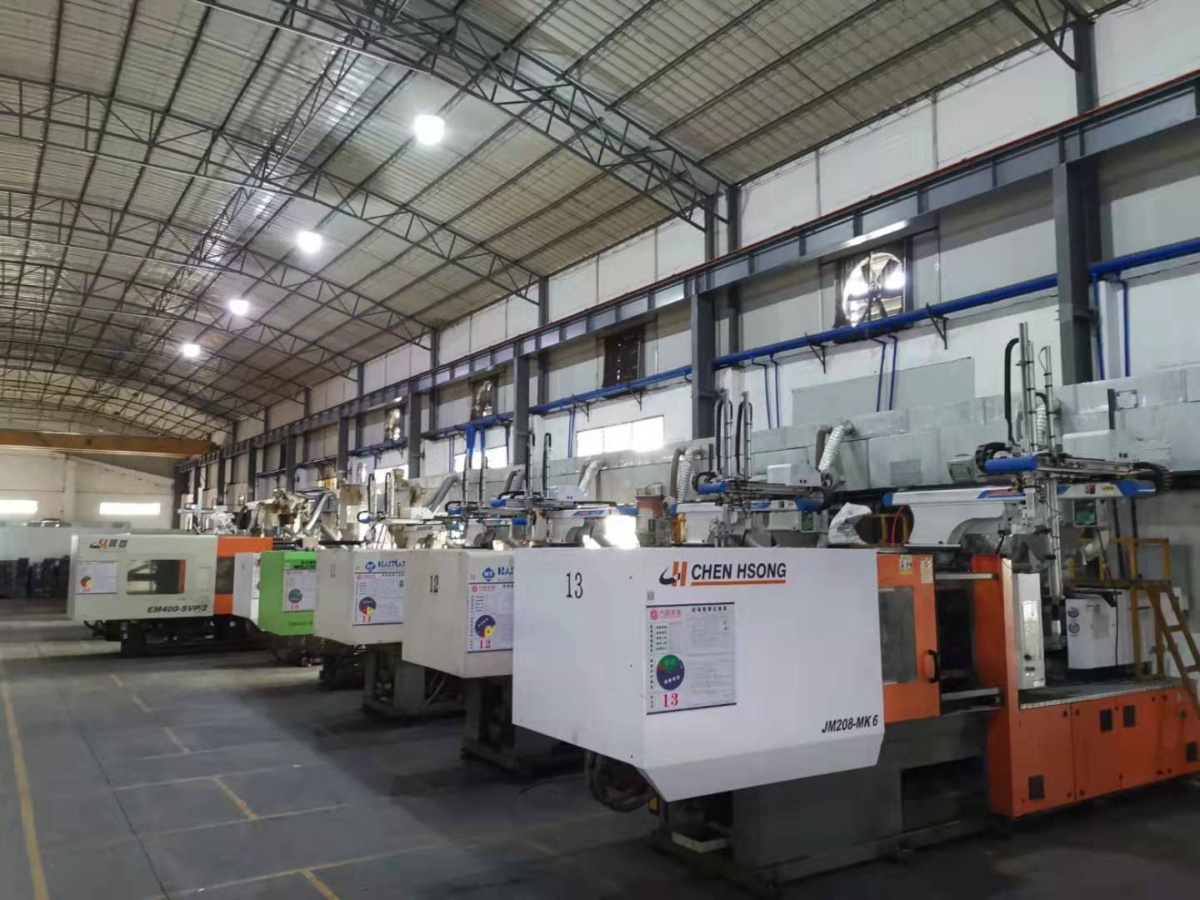
Automatic Injection Molding Capability
Baile's manufacturing system includes 100+ injection-molding machines at the Guangzhou Huadu mold factory for hair dryer housings and related plastic components. The molding process supports ABS, PC, PP, and applicable material routes, with a maximum mold size of approximately 600 x 600 mm and common single-part cycles of about 30-60 seconds. Material identity, mold setup, first-piece approval, process inspection, dimensional control, appearance limits, and assembly release connect machine capacity with usable production output.
Material Setup and First-Piece Approval
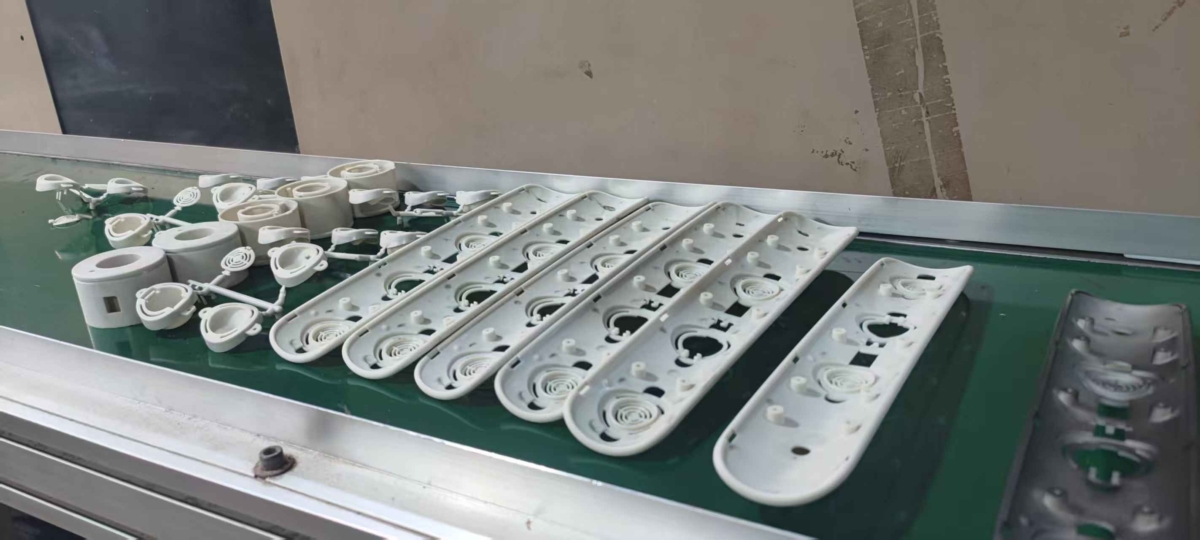
Baile checks material identity, batch information, color preparation, drying conditions when required, mold identity, machine setup, and process parameters before normal molding begins. Material and mold information must match the approved production version. This preparation reduces mix-ups that can affect color, mechanical strength, surface quality, dimensional stability, heat resistance, component fit, or later assembly. The manufacturing system supports ABS, PC, PP, and related material routes according to the selected part and operating requirement.
The first molded pieces are checked before continuous production. Baile reviews color, dimensions, surface condition, filling, weld lines, sink marks, burrs, short shots, deformation, scratches, clips, screw posts, openings, air duct surfaces, and assembly interfaces. Where applicable, trial parts are fitted with surrounding components so hidden dimensional problems do not move directly into assembly. The approved first piece becomes the visible and dimensional reference for production patrol inspection. Material batch, machine, mold, setup, first-piece status, and inspection information can be linked in the applicable factory record.
Process Control and Assembly Release
Baile monitors molding parameters and inspects parts during production for color variation, flash, shortage, shrinkage, warpage, contamination, flow marks, scratches, weak clips, damaged screw posts, and dimensional movement. The 100+ injection-molding machines at the Guangzhou Huadu mold factory support a maximum mold size of approximately 600 x 600 mm. Common single-part molding cycles can be about 30-60 seconds, depending on part geometry, material, mold construction, cooling, surface requirements, and approved process settings.
Parts with abnormalities are identified and separated so they do not become hidden inside finished assemblies. When process conditions, materials, molds, or equipment settings change in a way that can affect output, Baile reviews the affected parts again before release. Molded components move to assembly only after the required appearance, structure, dimensions, and fit are confirmed. Quality personnel check how housings, handles, buttons, filters, nozzles, brackets, and internal supports connect with motors, heating components, PCB parts, wires, switches, and fasteners. Release records connect the molded batch with first-piece approval and the applicable inspection status.
Assembly Lines and Production Capacity
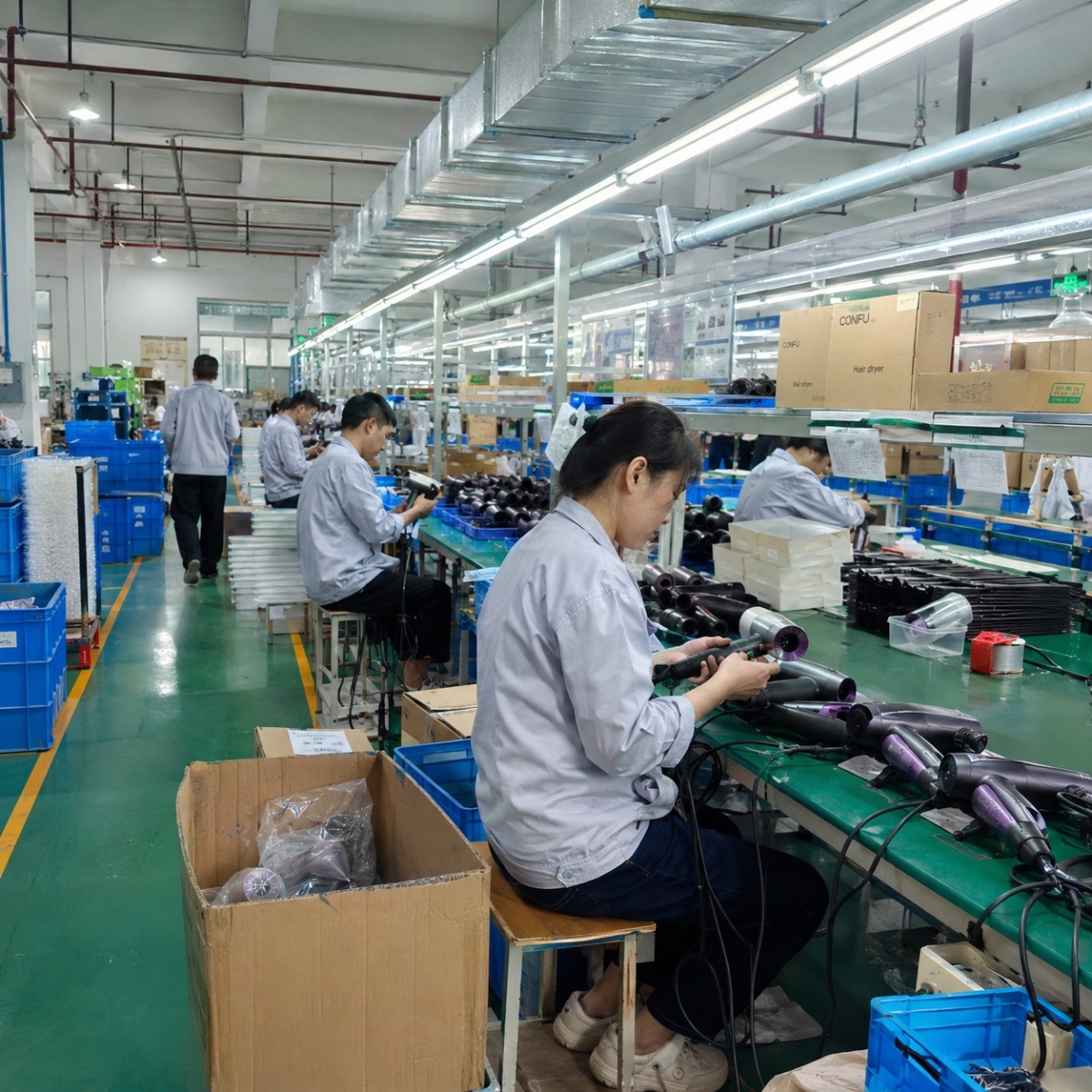
Baile operates 10 automatic and semi-automatic production lines supported by production, engineering, quality, material, and management teams. Line setup combines component identity checks, approved first-piece references, controlled assembly stations, function testing, process inspection, and production records. Reference capacity is approximately 40,000 units per month. Actual allocation follows product structure, test requirements, line balance, material status, and the approved production plan.
| Production Area | Baile Factory Control | Manufacturing Output |
|---|---|---|
| Assembly Lines | 10 automatic and semi-automatic lines | Provides flexible line setup for different hair dryer structures and production stages |
| Assembly Workforce | Production and assembly team members | Supports component preparation, subassembly, final assembly, function checks, and line operations |
| Line Equipment | Screwdrivers, automatic screw-fastening equipment, laser welding devices, fixtures, and function test stations | Supports controlled fastening, connection, positioning, and in-line verification |
| Component Control | Motor, impeller, heating component, PCB, wire, plug, switch, housing, filter, nozzle, and fastener identity checks | Reduces wrong-part use and keeps assembly aligned with the approved version |
| Process Control | First-piece confirmation plus patrol checks at defined intervals or order-specific frequencies | Detects assembly, appearance, wiring, fastening, and function abnormalities during production |
| In-Line Function | Power, speed, heat, cool-shot, indicator, control, noise, vibration, and accessory-fit checks as applicable | Confirms core operation before finished units move to later inspection and aging stages |
| Reference Monthly Capacity | Approximately 40,000 units | Current manufacturing reference; actual model allocation depends on structure, testing, materials, and line scheduling |
Factory Equipment and Testing Laboratory
Baile uses dedicated manufacturing and test equipment to make factory controls measurable. Equipment covers plastic-part production, controlled assembly, continuous-operation aging, airflow and thermal measurement, electrical safety verification, and mechanical reliability checks. The equipment itself is only one part of the evidence: model identity, calibration status, test setup, sample information, recorded result, abnormality handling, and final disposition connect each machine or instrument with a defined production decision.
Injection Molding Equipment
Baile's 100+ injection-molding machines at the Guangzhou Huadu mold factory support ABS, PC, PP, and related plastic parts. The equipment produces housings, handles, nozzles, filter frames, brackets, buttons, and internal structures. Machine setup, mold identity, material batch, first-piece status, molding condition, and part inspection are controlled before parts are released for assembly. Equipment views should show the machine, active mold area, production status, and corresponding inspection activity.
Assembly Line Equipment
Ten automatic and semi-automatic lines use assembly fixtures, screwdrivers, automatic screw-fastening equipment, laser welding devices, and function test stations. These tools support repeatable component positioning, fastening, connection, housing closure, cable fixing, switch operation, and in-line verification while units remain accessible for process inspection. Line images should connect each visible station with its work instruction, first-piece reference, defined responsibility, and inspection point.
Aging Test Rooms
Baile operates 12 independent aging rooms. Each room can accommodate approximately 50-100 units for continuous-operation testing. Aging checks can monitor motor operation, heating performance, wind speed stability, outlet temperature, negative-ion function when included, abnormal sound, abnormal smell, unexpected shutdown, and housing condition during extended operation. Aging records identify the applicable production batch, test period, inspection status, measured result, and abnormal findings.
Performance Test Instruments
Wind speed meters, airflow equipment, temperature instruments, infrared thermometers, rotational-speed instruments, noise meters, voltage meters, and current meters support measurable performance review. Baile records applicable results by model, setting, test distance, operating condition, and confirmed requirement so comparisons are based on controlled conditions. Equipment identification, current calibration status, and test setup are checked before recorded measurements support a release decision.
Electrical Safety Equipment
Dielectric strength testers, insulation test instruments, grounding resistance meters, and leakage current testers support electrical safety verification. Baile also checks temperature rise and overheat protection according to product structure. Test scope, method, acceptance criteria, and records must correspond with the selected model and applicable production requirement. Failed results trigger immediate product identification, controlled isolation, technical review, approved correction, and recorded retesting.
Reliability Test Equipment
Cord swing machines, button life equipment, pull-force fixtures, drop-test equipment, and vibration equipment support mechanical and transport-related reliability checks. These tests help identify weak cable connections, unstable controls, loose components, housing damage, and other repeat-use risks before affected production is released. Baile records the test sample identity, applicable cycle or condition, observed result, detected abnormality, review status, and final disposition.
Baile Quality Control System
Baile builds quality control into supplier management, material release, first-piece approval, production inspection, functional verification, safety testing, aging, finished-product review, and outgoing release. The quality system uses defined responsibilities, physical references, inspection records, isolation controls, and corrective actions rather than depending only on a final sample. Batch information supports issue review, while third-party inspection access provides an additional verification route for confirmed programs.
Incoming, First-Piece, and Process Control
Baile manages material requirements for motors, heating components, PCB assemblies, cords, plugs, thermostats, thermal fuses, plastic materials, molded parts, nozzles, switches, fasteners, and printed items used in production. IQC checks identity, specification, appearance, dimensions, color, batch information, function, and applicable safety parameters. Key materials receive 100% inspection; standard items follow defined sampling or batch inspection. Materials with an abnormal identity, specification, appearance, function, or safety result are identified and isolated before production use.
First-piece confirmation is required before new-order production, new colors, component changes, repaired molds, or changed processes continue. Baile checks appearance, function, speed and heat control, airflow behavior, outlet temperature, noise condition, component fit, cord and plug, labels, and the approved visible standard. IPQC then covers injection molding, surface processes, marking, motor installation, heating assembly, wire connection, housing closure, button fit, and nozzle assembly. Inspection can follow every three hours, every two batches, every operation, or a defined order-specific plan. Abnormal production is paused, marked, isolated, corrected, and rechecked before release.
Finished Release, Traceability, and Correction
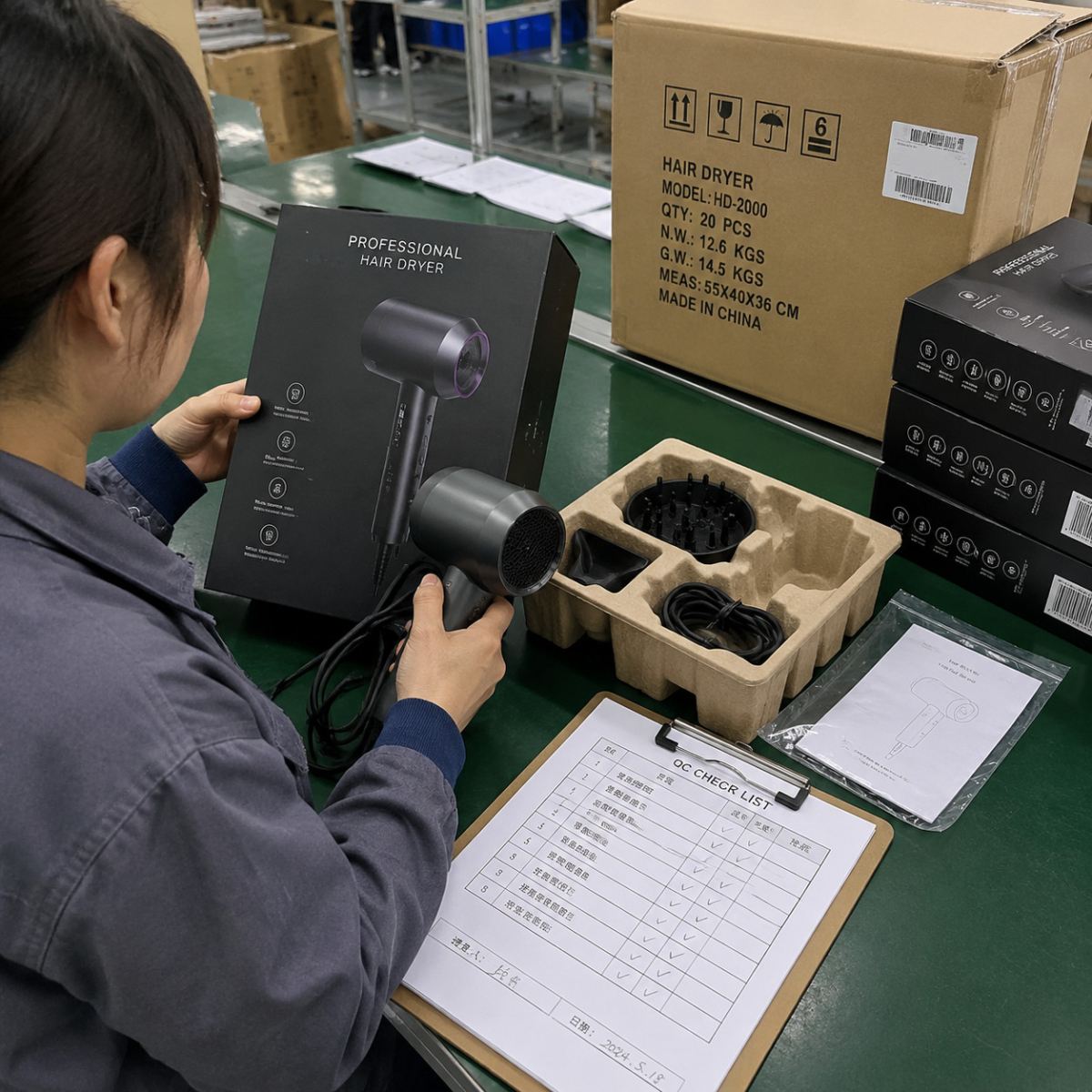
FQC checks finished-product appearance, operation, wind speed, airflow, outlet temperature, noise, buttons, cord connection, nozzle fit, component completeness, and other confirmed requirements. OQC reviews order identity, model, color, quantity, production status, inspection records, test information, and release status before shipment. AQL sampling levels can include 1.0, 1.5, 2.5, or 4.0 according to the confirmed standard. Baile can also support third-party inspection by SGS, Bureau Veritas, Intertek, or a customer-appointed organization using agreed specifications and inspection references.
Nonconforming materials, process output, finished units, or affected batches are identified and separated. Review can cover supplier, design, mold, process, equipment, assembly, test, or handling causes. Records connect an order number, production date, material batch, production line, operation information, QC results, and outgoing status where applicable. Corrective action can include supplier improvement, mold correction, process adjustment, fixture changes, retraining, inspection updates, rework, retesting, or controlled rejection. When an internal or third-party inspection finds an abnormality, affected goods remain isolated until the approved correction, reinspection, and release decision are complete.
Safety and Reliability Testing Matrix
Baile uses electrical, thermal, airflow, acoustic, mechanical, and continuous-operation checks to verify factory output. The matrix below connects each test area with its control purpose and available reference condition. Test equipment, sample identity, operating setting, environment, duration, acceptance criteria, and recorded result must match the selected structure and production standard. Reference ranges describe available factory directions and are not universal specifications for every hair dryer model.
| Test Area | Baile Test Direction | Factory Control Purpose |
|---|---|---|
| Dielectric Strength | Checks insulation performance under the confirmed test voltage and method | Helps identify insulation breakdown risk between live parts and accessible or separated structures |
| Insulation Resistance | Measures the insulation condition of the completed electrical structure | Verifies that internal electrical separation remains suitable before release |
| Grounding Resistance | Applied to products with a grounding structure | Confirms grounding continuity according to the relevant product design |
| Leakage Current | Checks leakage current under the defined operating condition | Supports electrical safety review for the completed unit |
| Temperature Rise | Measures heating areas, housing, handle, outlet, and other defined positions | Checks whether thermal behavior remains within the confirmed model requirement |
| Overheat Protection | Verifies thermostat, thermal fuse, NTC protection when used, and abnormal shutdown logic | Confirms the designed protection response under applicable abnormal conditions |
| Wind Speed and Airflow | Measures different operating settings under controlled test conditions | Verifies motor, impeller, air duct, outlet, and assembly consistency |
| Outlet Temperature | Checks low, medium, and high settings where applicable; reference recorded range can be approximately 45-125°C by model | Verifies heating output, setting function, and batch behavior against the selected model |
| Noise and Vibration | Records sound and vibration at a defined setting, distance, and environment | Identifies motor, impeller, air duct, housing resonance, and assembly abnormalities |
| Cord Swing | Common reference range of 10,000-20,000 cycles | Checks cable-tail bending resistance and connection durability |
| Button Life | Common reference range of 10,000-30,000 operations | Checks switch response and repeated-control reliability |
| Aging Test | Common continuous-operation reference of 2-4 hours; scope can be extended by requirement | Observes motor, heating, temperature control, airflow, sound, smell, shutdown, and housing behavior |
| Drop and Vibration | Applied according to the defined product or handling test plan | Checks housing, internal fixing, accessory stability, and protection against impact or repeated movement |
Factory Systems and Audit Readiness
Baile supports supplier qualification with documented management systems, controlled manufacturing records, assigned quality responsibilities, measurement-equipment controls, social responsibility audit information, and third-party inspection access. Certificates and audit files must be presented with the correct legal entity, facility scope, certificate or report number, issuing organization, and validity period. This prevents unrelated, expired, or site-mismatched documents from being used as evidence for the factory scope under review.
| Audit Area | Baile Factory Evidence | Manufacturing Control Covered |
|---|---|---|
| Quality Management | ISO 9001 | Quality responsibilities, process control, document control, supplier management, inspection, corrective action, and continual improvement |
| Environmental Management | ISO 14001 | Environmental responsibilities, resource use, operational controls, and environmental compliance management |
| Occupational Health and Safety | ISO 45001 | Workplace risk management, employee safety, production safety, and occupational health controls |
| Social Responsibility | BSCI, Sedex/SMETA, and SA8000 | Supports social compliance and responsible-sourcing review for global brands and large B2B programs |
| Hazardous Substance Process Management | IECQ QC 080000 | Supports process control related to hazardous-substance requirements such as RoHS and REACH |
| Measurement Management | ISO 10012 | Supports calibration, measurement equipment control, test instrument management, and confidence in recorded test data |
| Document Control | Specifications, drawings, approved samples, first-piece records, inspection standards, test records, and change information | Keeps the current factory version available to engineering, production, and quality teams |
| Production Change Control | Review and confirmation of material, component, mold, process, appearance, function, or test changes | Reduces uncontrolled differences between approved references and later production |
| Brand Program Governance | Defined project, engineering, production, quality, and management responsibilities | Supports specification review, factory execution, escalation, inspection access, and repeated production control |
| Factory Audit Support | On-site review, video review, document review, production-line observation, test-equipment review, and appointed third-party access | Enables procurement, engineering, compliance, and quality teams to review the relevant factory scope |
Manufacturing Governance for Large Brand Programs
Baile supports structured manufacturing programs with controlled specifications, bill-of-material versions, assigned responsibilities, documented release points, production change review, abnormality escalation, corrective action, and inspection access. These controls keep engineering, quality, sourcing, compliance, and production teams aligned with the same approved manufacturing standard. Factory records also provide a defined route for reviewing changes, isolating affected output, confirming corrections, and preventing repeated abnormalities.
Controlled Specifications, BOM, and Changes
Baile connects the active product specification with drawings, bill of materials, component identity, material requirements, electrical configuration, assembly instructions, test items, acceptance criteria, and approved physical references. Engineering, production, and quality teams use the released version rather than informal messages. Superseded information is identified so different component, appearance, function, or inspection versions do not enter the same production program without authorization.
First-piece confirmation acts as a gate before normal production continues. The applicable appearance, structure, function, airflow, temperature, sound, component fit, cord, plug, label, and assembly details are checked against the approved information. Material, component, mold, structure, process, software, appearance, test, or inspection changes are then reviewed for their effect on safety, performance, tooling, assembly, compliance, and current factory documents. Baile records an approved change and updates the affected specification, BOM, drawing, work instruction, physical reference, or inspection document before execution. Defined mold repairs, material changes, component changes, and process changes can also trigger renewed first-piece confirmation.
Abnormalities, CAPA, and Audit Access
Baile identifies and separates abnormal incoming materials, molded parts, subassemblies, finished units, test results, or production batches. The factory confirms the affected scope before disposition. Quality, engineering, production, supplier, project, and management personnel are involved according to the issue type. Production restarts or affected goods are released only after the approved correction, recheck, and disposition requirements are completed.
Quality issues are reviewed against material batches, mold and process conditions, equipment status, assembly records, inspection results, and test data. Corrective and preventive action can include supplier improvement, mold correction, process adjustment, fixture changes, work-instruction updates, employee retraining, increased inspection, rework, retesting, or rejection. Follow-up checks confirm whether the action prevents recurrence. Baile supports on-site factory audits, video reviews, document reviews, production-line observation, equipment verification, and third-party inspections by SGS, Bureau Veritas, Intertek, or an appointed organization. Evidence can include facility data, team responsibilities, equipment lists, valid system documents, production records, inspection records, and corrective-action samples while confidential customer and product information remains protected.
Hair Dryer Factory FAQ
These answers summarize Baile's factory identity, manufacturing network, engineering resources, mold and injection capacity, assembly lines, reference production scale, quality controls, testing facilities, and audit support. Each answer gives a direct factory fact, an important scope condition, or a practical verification route for sourcing, engineering, quality, and compliance teams reviewing Baile Technology.
Is Baile Technology a direct hair dryer factory?
Yes. Dongguan Baile Technology Industry Co., Ltd. is a B2B hair dryer manufacturer. Baile manages product engineering, manufacturing coordination, mold and injection resources, assembly, testing, quality control, and factory documentation through its manufacturing system. The company focuses on hair dryers, styling appliances, and related components rather than operating as a general appliance trading company.
Where are Baile's manufacturing facilities located?
Baile's manufacturing network includes operations in Dongguan, a mold manufacturing base at Factory No. 1, Aimin Road, Xiuquan Street, Huadu District, Guangzhou, and an assembly base in the Chenzhou High-Tech Industrial Development Zone, Chenzhou, Hunan. Facility ownership, operating scope, and certificate coverage are presented according to the relevant legal entity and site.
When was Baile Technology established?
Baile Technology was established in 2024. The manufacturing system behind Baile began in 2003 and provides more than 20 years of accumulated experience in mold development, plastic injection, assembly, testing, and export manufacturing. Baile presents the company establishment date and the manufacturing foundation separately to keep the factory history accurate.
How large is the Baile manufacturing system?
BAILE’s manufacturing system includes operating factories in Dongguan and Chenzhou, Hunan, with a combined footprint of approximately 10,000 m². The Dongguan factory covers approximately 2,000 m². Including the Guangzhou Huadu mold factory, the three-site manufacturing footprint exceeds 30,000 m². The manufacturing system includes more than 800 people across production, engineering, design, quality, sales, project coordination, warehousing and operational support. The published structure includes 30+ R&D and engineering staff, 10+ quality and laboratory staff, production and assembly personnel, project coordination, operational support, and management support. Figures describe the manufacturing system and should be checked against the latest factory profile before publication.
What engineering resources does Baile have?
Baile has a 30+ member R&D and engineering team. Its work covers industrial design, structural engineering, motor and impeller matching, airflow layout, heating systems, temperature protection, PCB and control direction, materials, mold coordination, assembly feasibility, test methods, validation records, and production change review. Engineering information is connected with factory specifications, samples, first-piece standards, and inspection requirements.
What mold and injection capabilities does Baile operate?
Baile's manufacturing network supports DFM review, mold development, trial molding, correction, and production validation. It includes 100+ injection-molding machines at the Guangzhou Huadu mold factory supporting ABS, PC, PP, and related materials. The maximum mold size is approximately 600 x 600 mm, while common single-part cycles are about 30-60 seconds depending on part geometry, material, mold construction, and process settings.
What is Baile's reference production capacity?
Baile operates 10 automatic and semi-automatic production lines with reference capacity of approximately 40,000 units per month. These figures describe the current manufacturing configuration, not guaranteed output for every model. Actual allocation follows product structure, material status, test scope, line balance, production schedule, and approved factory requirements.
How does Baile control mass-production quality?
Baile controls quality through supplier management, IQC, first-piece confirmation, IPQC, semi-finished checks, function and performance tests, electrical safety checks, aging, FQC, OQC, AQL sampling, nonconformance control, corrective action, and batch records. Key materials receive 100% incoming inspection, while other materials follow defined sampling or batch-based inspection according to category and production requirements.
What testing facilities are available?
Baile operates 12 independent aging rooms, each holding approximately 50-100 units. Available equipment includes wind speed, airflow, temperature, noise, rotational speed, voltage, current, dielectric strength, insulation, grounding resistance, leakage current, cord swing, button life, drop, and vibration test equipment. Final methods, quantities, durations, and acceptance criteria follow the selected model and confirmed production standard.
Can Baile support factory audits and inspections?
Yes. Baile supports on-site audits, video reviews, document reviews, production-line observation, equipment checks, and third-party inspections by SGS, Bureau Veritas, Intertek, or an appointed organization. Available evidence can include the factory profile, team structure, equipment list, quality flow, valid system documents, production records, inspection samples, and corrective-action records, subject to facility scope and confidentiality controls.