Hair Dryer Sample Process for OEM & ODM Projects
OEM and ODM hair dryer samples for product evaluation, customization, engineering validation, approval, and mass-production transfer.
BAILE supports existing-model, private-label, color, packaging, functional, prototype, molded, and pre-production hair dryer samples.
Each sample is linked to a defined purpose, product configuration, verification scope, revision record, and approval status before production release.
Existing Model & Private Label Samples
For product selection, logo, color and packaging approval.
Functional & Engineering Samples
For motor, airflow, heating, controls and feature changes.
ODM & Molded Samples
For new appearance, structure, tooling and product development.
Pre-Production Samples
For final configuration approval before mass production.

Existing-model sample :3–7 days
Logo sample: 7–15 days
Functional sample:15–30 days
ODM prototype: 30–60 days
New-mold first sample: 45–75 days
Which Hair Dryer Sample Do You Need?
| Your Goal | Recommended Sample | What It Confirms |
|---|---|---|
| Evaluate an existing BAILE model | Existing-model sample | Product platform, basic function, appearance |
| Add your brand logo | Logo / private-label sample | Logo size, position, process, appearance |
| Confirm custom housing color | Color sample | Pantone, finish, coating or molded color |
| Approve box and accessories | Packaging sample | Artwork, tray, manual, barcode, accessory layout |
| Change motor, heating or functions | Functional sample | Performance and functional configuration |
| Develop a new product concept | ODM prototype | Appearance, structure and engineering direction |
| Validate new tooling | Molded sample | Molded parts, fit, finish and assembly |
| Approve before mass production | Pre-production sample | Final production configuration |
BAILE Hair Dryer Sample Process
BAILE organizes sample development through nine connected stages. The route can be shortened for a standard existing-model sample or expanded for functional, structural, prototype, tooling, and pre-production work. Every stage has a defined purpose and output, including a requirement record, configuration direction, commercial confirmation, physical sample, test result, revision record, approval reference, or production-transfer file. This keeps the project controlled from first request through final release.
Requirement Definition
The development process begins with a clear understanding of customer requirements, including application scenarios, technical specifications, performance expectations, and key constraints. The collected information is reviewed and translated into a structured sample development brief to ensure alignment among relevant teams.
Output: Confirmed sample brief
Feasibility Review
The proposed requirements are evaluated from technical, manufacturing, and resource perspectives. Potential challenges, limitations, and required improvements are identified to determine whether the project can proceed and what additional actions may be required.
Output: Feasibility decision and open-item list
Configuration Proposal
Based on the defined requirements and feasibility assessment, an initial product configuration is developed. Key parameters, material selection, structural design, and functional specifications are proposed for customer review and internal evaluation.
Output: Proposed model/configuration
Commercial Confirmation
The proposed solution is reviewed with customers to confirm commercial requirements, including pricing expectations, delivery schedule, quantity, and other business conditions. Final agreements are established before sample preparation.
Output: Confirmed commercial requirements
Sample Preparation
Following technical and commercial confirmation, sample production is initiated according to the approved configuration. Manufacturing processes, quality requirements, and inspection criteria are implemented to ensure sample consistency.
Output: Prepared sample unit(s)
Sample Verification
Prepared samples undergo internal testing and customer-side verification to evaluate performance, reliability, and compliance with agreed requirements. Feedback from testing is collected and analyzed for further optimization.
Output: Verification results and evaluation feedback
Sample Shipment
After successful verification and approval for delivery, samples are packaged and shipped according to agreed logistics requirements. Relevant documentation is prepared to support customer evaluation and tracking.
Output: Delivered sample package and shipment records
Feedback and Revision
Customer feedback and verification results are reviewed to identify necessary improvements. Design, configuration, or process adjustments are implemented when required to enhance product performance and meet final expectations.
Output: Revised configuration and improvement records
Approval and Transfer
After final confirmation, the approved sample is transferred into the production preparation process. Technical specifications, quality standards, and reference documents are released to support stable mass production.
Output: Approved sample + released production reference
Hair Dryer Sample Lead Time
BAILE sets reference lead time by sample type and development depth. Timing begins after the relevant model, specification, artwork, color reference, components, payment, tooling direction, and required project files are confirmed. Special materials, component availability, engineering changes, complex finishes, new molds, certification work, holidays, courier conditions, and customer feedback can change the schedule. The reference periods below establish planning ranges rather than unconditional promises for every configuration.
| Sample Type | BAILE Reference Lead Time | Start Conditions | Main Variables | Stage Output |
|---|---|---|---|---|
| Existing-model sample | 3-7 days | Model, voltage, plug, quantity, and shipment details confirmed | Sample stock, electrical configuration, accessories, and courier preparation | Physical unit for platform review |
| Logo sample | 7-15 days | Logo file, size, position, color, and process confirmed | Printing fixture, marking method, housing finish, adhesion, and approval feedback | Branded sample and logo reference |
| Color sample | 10-20 days | Pantone or physical color reference and finish route confirmed | Material, molded color, coating, decorative parts, matching, drying, and rework | Approved color and finish reference |
| Packaging sample | 7-15 days | Dieline, artwork, language, barcode, labels, and structure confirmed | Print proof, special paper, tray, finishing, accessory placement, and corrections | Physical packaging reference and released files |
| Functional sample | 15-30 days | Function matrix, motor, heating, controls, components, and test scope confirmed | Component supply, PCB changes, wiring, assembly, engineering adjustment, and rechecking | Working unit with applicable verification results |
| ODM prototype | 30-60 days | Product definition, ID direction, structure scope, and prototype method confirmed | Design maturity, internal arrangement, 3D or CNC work, components, and revision rounds | Appearance or structural prototype for staged approval |
| New-mold first sample | 45-75 days | ID, structure, DFM, mold quotation, material, finish, and tooling order confirmed | Part count, mold construction, steel, machining, trial molding, surface work, and corrections | T0/T1 molded parts and engineering sample |
| Pre-production sample | Project-specific | Final structure, BOM, artwork, packaging, testing, and revision items confirmed | Pilot materials, line preparation, fixtures, inspection criteria, and production findings | Sample and production-release reference |
Lead time starts after the required files, configuration, commercial confirmation and applicable payment are complete. Shipping time is not included unless stated otherwise.
Sample Risks We Control Before Approval
A sample project can lose time or create production disputes when its purpose, specifications, tests, version, packaging, or approval standard remain unclear. BAILE controls these risks through staged confirmation and documented outputs. The sample path separates platform validation from branding, color, function, structure, tooling, and pre-production approval so each decision is made at the correct stage and transferred into the production record.
Configuration Mismatch
Sample configuration, BOM, appearance, functional requirements, and packaging details must remain fully aligned throughout the development process. Any inconsistency is identified before approval to avoid incorrect samples entering validation or production stages.
Late Compliance Changes
Voltage requirements, plug standards, labels, warnings, and market-specific compliance items are confirmed before final sample approval. Early verification helps prevent late-stage modifications that affect timeline and cost.
Uncontrolled Revisions
All sample changes are managed through controlled version updates. Revised specifications, sample records, and approval status are linked together to ensure every modification has a clear reference and traceability.
Sample-to-Production Mismatch
The approved sample is connected with the final BOM, artwork, inspection criteria, and production release requirements. This ensures that mass production follows the exact approved reference and maintains consistent quality.
Factory-Backed Sample Development
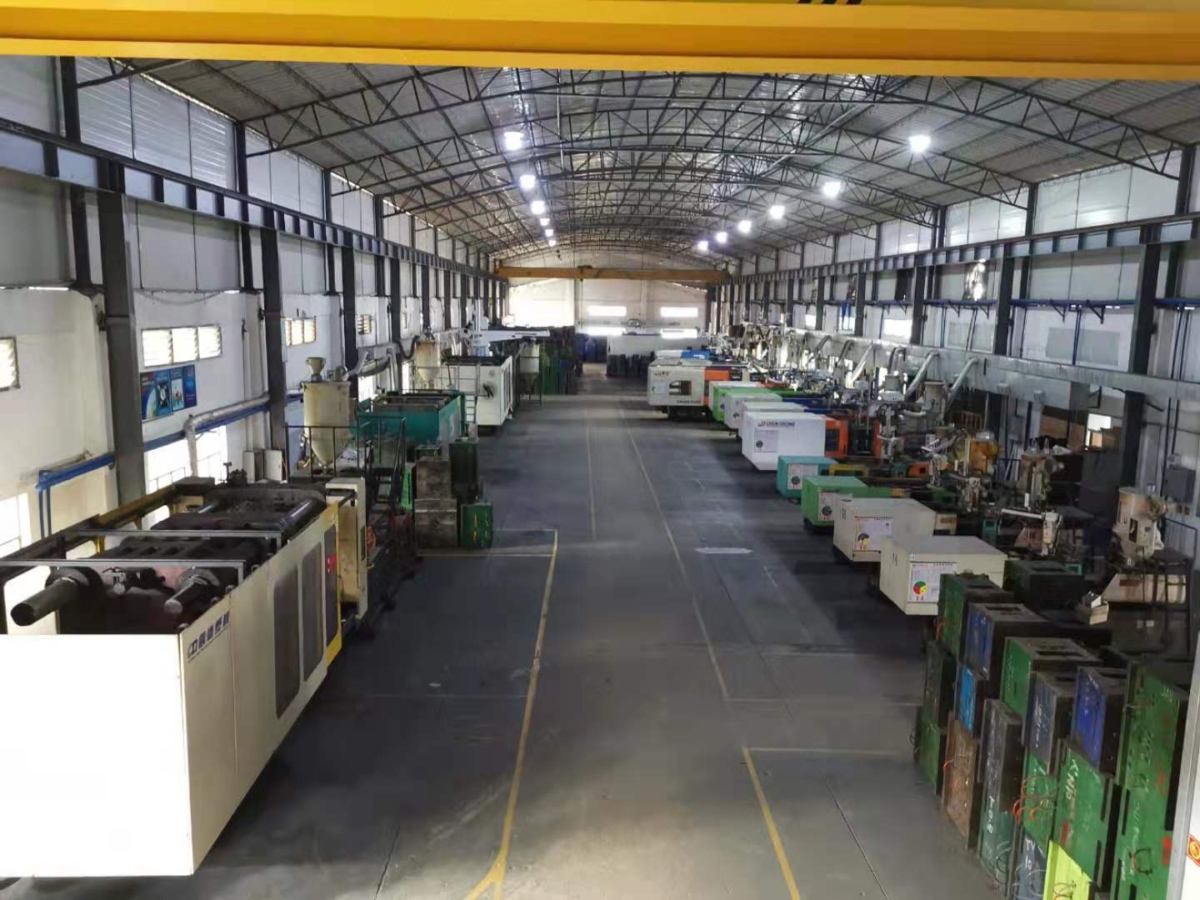
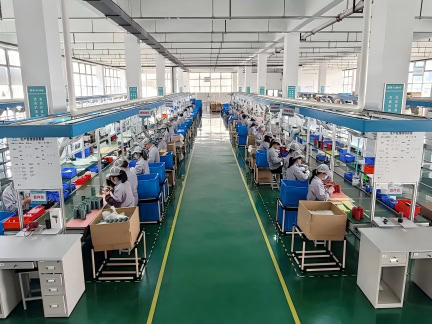
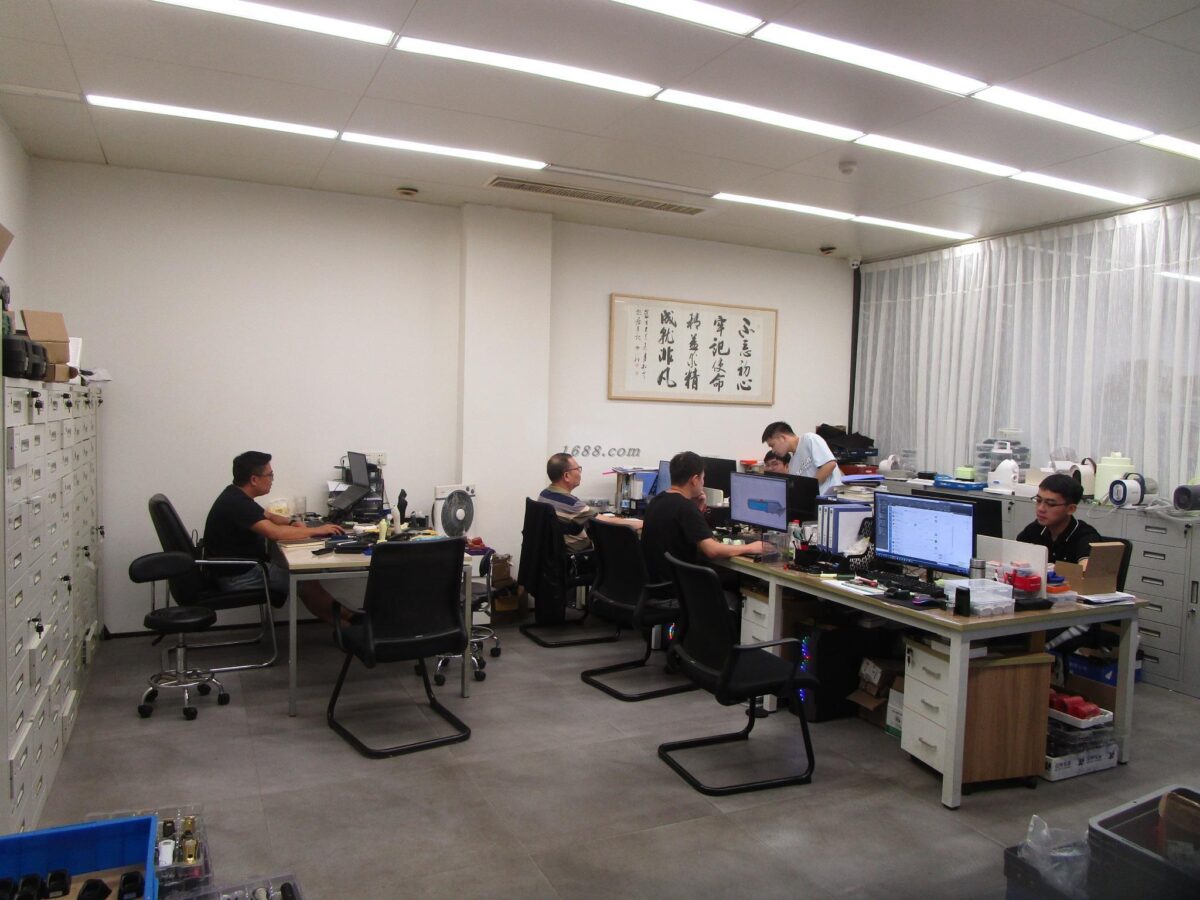
BAILE develops samples within the manufacturing system used for later production transfer. Engineering, tooling, molding, assembly, testing and quality teams can therefore review whether a sample design is practical for repeat manufacturing, rather than treating the sample as an isolated display unit.
Detailed factory capacity, equipment and manufacturing resources are maintained in the BAILE Factory profile. Sample testing and production inspection methods are documented separately in the BAILE Quality Control system.
Feasibility Review Before Sample Making
BAILE uses feasibility review to decide whether a requested sample can start, must start with conditions, or needs a different development route. The review does not repeat every later engineering activity. It establishes the decision boundary: what is confirmed, what is assumed, what evidence is missing, which dependencies can change the outcome, and which release conditions must be closed before BAILE commits resources to the next sample stage.
Define the Decision Before Development Starts
BAILE first defines the exact decision the physical sample must support. The decision may concern platform selection, branding execution, color approval, packaging fit, functional direction, prototype learning, molded-part acceptance, compliance preparation, or pre-production release. This prevents one sample from being assigned several incompatible purposes and prevents an early visual unit from being treated as final approval evidence.
The project record separates confirmed requirements, customer preferences, selectable options, engineering assumptions, and unresolved questions. BAILE identifies the destination configuration, required deliverable, approval contacts, available files, target date, and downstream milestone. If the request lacks a usable product definition, conflicts with an existing platform, or depends on unavailable information, BAILE records a conditional start rather than silently filling gaps.
The review concludes with one of three working outcomes: proceed on the selected path, proceed after named conditions are closed, or redirect the project to another sample type or development stage. The outcome gives product, procurement, engineering, quality, and commercial teams the same starting position before materials, prototypes, tooling, or custom processes are ordered.
Map Dependencies and Decision Risks
BAILE maps the dependencies that could invalidate the proposed sample route. The focus is not a second engineering design exercise; it is an interface review. A destination-market change can alter the electrical configuration and document package. A housing decision can affect tooling and finish. An attachment can change the acceptance method. A late artwork revision can invalidate packaging work. An unconfirmed component can block the planned build date.
Each dependency is assigned a status, owner, required input, and decision date. BAILE distinguishes items that can remain open during an early concept sample from items that must close before a functional, molded, certification, or pre-production unit begins. The record also identifies whether a decision affects only the current sample or changes tooling, compliance work, commercial terms, or the future production configuration.
This dependency map reduces avoidable restart work. It shows why the project can proceed, what could still change, and where approval is needed. Detailed product engineering remains in the engineering stage; feasibility review controls whether that work begins with a coherent and reviewable brief.
Issue a Controlled Feasibility Decision
BAILE converts the review into a short feasibility decision package. It identifies the selected sample path, project version, confirmed scope, exclusions, assumptions, open items, responsible contacts, required files, external dependencies, commercial items requiring quotation, and the evidence needed for the next gate. Timing and cost remain project-specific until the applicable conditions are confirmed.
For a straightforward OEM request, the release may authorize a defined customization sample on an approved platform. For an ODM request, it may authorize only concept or prototype work while tooling remains outside the current scope. For a market-specific project, it may require the correct electrical and compliance direction before construction is frozen. These boundaries protect both the customer decision and the manufacturing handover.
BAILE updates the decision if a later input changes the original basis. The revision history shows what changed and whether the selected sample route is still valid. This creates a traceable start point for engineering, sample planning, quotation, and milestone control without duplicating the technical detail presented in later modules.
Information BAILE Uses to Start Samples
BAILE starts sample work with a structured project record so product, engineering, costing, quality, packaging, and production teams use the same requirements. The information covers the intended market, product platform, commercial quantity, electrical configuration, performance direction, branding, packaging, compliance, and timing. BAILE already supports multiple hair dryer categories, 100-120V and 220-240V routes, destination-specific plugs, private label execution, and different OEM or ODM development depths.
| Information | What to Provide |
|---|---|
| Target market | Country/region and sales channel |
| Product direction | BAILE model, reference product, photo, drawing or CAD |
| Quantity | Expected first order and annual forecast if available |
| Electrical | Voltage, frequency, plug and rated power direction |
| Functions | Motor, speed/heat settings, cool shot, ionic or smart functions |
| Appearance | Color, finish, logo and branding |
| Accessories | Nozzle, diffuser, stand, bracket or other attachments |
| Packaging | Box, tray, manual, barcode and artwork |
| Compliance | Intended market and required certification route |
| Schedule | Sample approval and target launch date |
Hair Dryer Sample Cost and Quotation Boundaries
BAILE prepares sample quotations by separating the physical unit from one-time preparation, development work, external services, tooling assets, revisions, and delivery expenses. This structure shows what creates each charge and which items sit outside the initial scope. It also prevents a low-cost reference unit from being compared directly with a project that requires dedicated engineering, special processes, third-party work, or customer-specific assets.
| Quotation Boundary | BAILE Scope Definition | Typical Charging Basis | Confirmation Point |
|---|---|---|---|
| Physical sample unit | Product and accessories built in the configuration stated in the quotation | Unit configuration, quantity, availability, and preparation work | Before sample order confirmation |
| One-time process setup | Fixture preparation, artwork positioning, color preparation, print setup, or other non-recurring work | Process complexity and number of setups | Before the custom process begins |
| Engineering work | Defined design, analysis, file preparation, integration, or verification tasks outside routine platform preparation | Agreed work package and expected revision boundary | At feasibility or development release |
| Prototype services | Additive manufacturing, CNC work, model finishing, outsourced parts, and prototype assembly | Method, material, accuracy, part count, and finish | Before prototype procurement |
| Tooling assets | Mold design, steel, machining, assembly, trial work, and the correction boundary stated in the tooling quotation | Tool package, ownership terms, complexity, and life requirement | Before tooling authorization |
| Special materials or components | Items purchased specifically for the project rather than drawn from normal available stock | Supplier MOQ, purchase quantity, unit price, and usable balance | Before material commitment |
| External laboratory work | Third-party testing, certification application, report work, retesting, or laboratory sample handling | Market route, standard, model scope, laboratory quotation, and outcome | Before external service authorization |
| Customer-requested revisions | Work created by changes after an agreed baseline or by additional approval rounds outside the quoted scope | Change impact on files, parts, setup, tooling, testing, and labor | Through written change confirmation |
| Freight duties and taxes | Courier, export preparation, declared shipment information, destination duties, and local taxes where applicable | Parcel size, weight, destination, service, and customs treatment | Before dispatch; destination charges follow agreed terms |
| Later order treatment | Any agreed credit or commercial treatment connected with a subsequent production order | Written quotation terms, order value, payment, and project continuity | Applied only when the confirmed agreement states it |
Engineering Behind Custom Hair Dryer Samples
BAILE develops custom samples by connecting appearance, internal structure, airflow, heating, controls, safety, materials, tooling, assembly, testing, packaging, and production. A visible change can create hidden effects on balance, air resistance, outlet heat, sound, electrical spacing, part strength, molding, assembly, or certification. Engineering work therefore defines how the requested product will operate and be manufactured, not only how the sample will look.
Industrial Design and Product Ergonomics
BAILE builds the appearance direction around the intended user, channel, product category, price position, feature set, accessory system, and brand identity. Product proportions, handle angle, grip diameter, center of gravity, switch position, display direction, air-inlet treatment, outlet design, filter access, nozzle attachment, decorative components, color separation, logo area, surface finish, and packaging presentation are considered together. High-speed dryers, salon models, travel products, wall-mounted units, pet dryers, kids dryers, stand dryers, and straightening products require different handling and use priorities.
Appearance is reviewed against manufacturing constraints before the design becomes a prototype or tool. BAILE checks motor space, heating layout, PCB position, wire routing, wall thickness, fastener locations, visible gaps, heat exposure, part split, molding direction, surface protection, assembly order, packaging size, and target cost. The design objective is a product that carries the intended brand language while remaining comfortable, safe, moldable, assemblable, testable, packable, and stable in volume production.
BAILE documents the selected ergonomic and structural direction for later prototype, tooling, and sample comparison.
Structure Airflow and Acoustic Control
BAILE connects the air inlet, filter, motor, impeller, internal air path, heating assembly, outlet section, nozzle, housing, seals, ribs, fasteners, and assembly gaps during structural work. Air resistance, leakage, turbulence, motor vibration, heater position, outlet geometry, and attachment design can change wind speed, airflow, outlet temperature, drying behavior, sound, and product life. A high motor-speed claim alone cannot guarantee a balanced finished product if the airflow path and thermal system are not matched.
Sample review can compare air-inlet area, filter resistance, impeller fit, motor fixation, heater alignment, outlet restriction, nozzle engagement, sound character, vibration, and heat concentration. Structural decisions are linked with measurable test conditions rather than visual judgment. Where the project provides appropriate data and tools, airflow diagrams, sectional views, test readings, and before-and-after engineering records can document how the selected structure supports the approved performance direction.
BAILE also records the test setup and sample version so later structural changes can be compared under consistent conditions.
Motor Heating and Control Integration
BAILE offers high-speed brushless motor solutions for premium dryers, mature brushed motor solutions for cost-controlled retail models, and higher-airflow directions for professional salon projects. The motor route is matched with rated voltage, power, impeller, air path, heating assembly, speed settings, temperature settings, cool shot, ionic function, display, PCB logic, thermostat, thermal fuse, cord, plug, and destination-market configuration. Component selection remains tied to product size, weight, sound, cost, durability, and production supply.
Functional samples can verify startup, mode changes, power, current, wind speed, airflow, outlet temperature, sound, controls, protective response, attachments, and model-specific features. If a requested setting creates unstable heat, excessive restriction, unsuitable electrical loading, packaging conflict, or production difficulty, BAILE adjusts the configuration before final approval. The sample therefore becomes a verified system configuration rather than a collection of individually selected features.
Engineering records identify the selected components, operating logic, test modes, acceptance direction, and any limitations that remain open.
How BAILE Tests Hair Dryer Samples
BAILE selects sample checks according to product construction, sample purpose, destination market, development stage, and agreed project plan. Existing-model, logo, color, packaging, functional, prototype, molded, and pre-production samples do not require identical verification. The applicable record identifies the sample version, test item, condition, method, result, limit, date, and responsible function so approval can be connected with evidence instead of relying only on visual inspection or subjective operating feel.
Functional Operation Check
BAILE checks startup, speed selection, heat selection, cool-shot response, display behavior, indicator lights, ionic function where fitted, mode transition, memory or smart-control behavior where fitted, switch feel, button response, shutdown, and model-specific features. The function matrix is compared with the confirmed specification. Abnormal response, intermittent operation, incorrect mode logic, unusual odor, vibration, or interruption is recorded and reviewed before the sample proceeds to approval or shipment.
Power and Current Check
BAILE measures the sample under the specified voltage and operating condition to confirm power and current behavior against the released configuration and applicable tolerance. The check helps identify incorrect components, wiring, heating configuration, control logic, or electrical loading. Rated voltage, frequency, plug, cord, motor, heating assembly, and operating mode remain linked with the result. A changed configuration is rechecked before it can become the approved production reference.
Wind Speed Check
BAILE uses wind-speed measurement to compare the sample with the agreed product direction under a defined distance, mode, voltage, attachment condition, and measurement method. Wind speed is reviewed with airflow, outlet geometry, nozzle use, heat, sound, and user experience rather than treated as an isolated marketing number. Results help verify motor, impeller, air-path, filter, heater, housing, and nozzle matching across development or revision stages.
Airflow Volume Check
BAILE checks airflow when the project requires volumetric performance confirmation. Airflow is influenced by motor output, impeller design, inlet area, filter resistance, internal leakage, heater obstruction, outlet section, nozzle restriction, and test setup. The measurement condition must remain consistent when sample versions are compared. BAILE uses the result together with wind speed, temperature, sound, power, and product category to judge whether the selected configuration supports the intended drying or styling use.
Outlet Temperature Check
BAILE checks outlet temperature by operating mode, voltage, distance, location, attachment condition, and stabilized test method defined for the project. The review connects the heating assembly, airflow, motor, control logic, thermostat, thermal fuse, housing, nozzle, and ambient condition. Multiple heat and speed combinations can be recorded when required. Results support functional approval and help identify heat concentration, unstable control, insufficient heating, or configuration mismatch before production release.
Noise and Vibration Check
BAILE checks sound and vibration under defined operating conditions when acoustics form part of the approval scope. Motor balance, impeller, bearing condition, fixing structure, air turbulence, inlet restriction, housing resonance, assembly gap, nozzle, and operating mode can affect the result. Measurement data can be combined with listening checks for rattling, rubbing, unstable tones, or abnormal mechanical noise. Corrective work remains connected with the revised sample version and structure.
Temperature Rise Check
BAILE reviews temperature rise at applicable product locations according to the construction, operating mode, duration, ambient condition, and agreed method. The check can include housing, handle, controls, air inlet, outlet area, plug, cord connection, internal electrical areas, or other risk points. Materials, airflow, heating, insulation, assembly, thermal protection, and abnormal-operation conditions are considered together. Results support engineering decisions and applicable safety or reliability review.
Electrical Safety Checks
BAILE's available electrical checks include dielectric strength, leakage current, insulation condition, and ground resistance where the product uses protective grounding. The final combination follows voltage, insulation class, construction, target market, sample stage, and applicable standard. Electrical checks do not replace external certification when third-party approval is required. They provide controlled internal evidence that the sample construction and assembly direction are ready for the next verification stage.
Cord and Plug Check
BAILE confirms plug format, rated voltage, cord type, conductor specification, length, strain relief, termination, movement, visible condition, and connection security. Cord-swing or movement testing can be included according to the product and project plan. North American, EU, UK, Australian, Japanese, Korean, and other destination configurations are controlled separately. The sample, label, manual, packaging, and certification direction must all identify the same electrical configuration.
Drop and Impact Check
BAILE can apply product or packaging drop checks according to the sample stage, use scenario, packaging structure, and agreed method. Product review can address housing cracking, separation, control damage, nozzle failure, electrical exposure, and post-drop function. Packaging review can address box deformation, tray movement, scratch protection, accessory displacement, and product damage. Test height, orientation, sequence, surface, pack condition, and acceptance criteria are recorded with the result.
Attachment Fit Check
BAILE checks concentrators, diffusers, magnetic nozzles, styling heads, pet hoses, wall brackets, stands, filters, and other project accessories for correct identity, engagement, retention, alignment, removal force, visible gap, rotation where intended, heat exposure, and pack-out. Attachment design can also affect airflow, temperature, sound, balance, and user handling. The approved accessory set and fit reference remain connected with the product specification and packaging record.
Packaging and Label Check
BAILE checks the physical pack for product orientation, accessory set, tray fit, scratch protection, box closure, barcode readability, SKU label, manual version, safety warning, certification mark, rated information, carton mark, packing quantity, and visible print quality. Retail, e-commerce, gift, hotel, and export packs use different structures and controls. The approved sample and released artwork are compared before packaging materials enter routine production and final pack-out.
Hair Dryer Sample Approval Checklist
BAILE records sample approval by category so product appearance, function, performance, electrical configuration, accessories, packaging, and documents are not mixed into one informal “approved” message. Each category connects the physical sample with an applicable file, measurement, visual reference, test record, or signed confirmation. The completed approval record becomes part of production transfer and defines which items are locked, which remain open, and which require additional validation before volume release.
| Approval Category | BAILE Confirmation Points | Approval Evidence | Production Control Connection |
|---|---|---|---|
| Product identity | Model, project number, sample version, product type, destination, and intended use | Sample label, project record, specification | Order record and first-article identification |
| Appearance | Housing, color, gloss, texture, coating, decorative parts, gaps, alignment, scratches, and visible defects | Physical sample, color reference, photos, appearance criteria | Incoming parts, first article, IPQC, FQC, and OQC |
| Branding | Logo file, position, size, color, process, contrast, legibility, and adhesion | Released artwork and branded sample | Printing setup and first-article check |
| Ergonomics | Weight, balance, grip, handle angle, controls, filter access, cord direction, and attachment handling | Physical sample and dimensional or weight record | Product specification and assembly reference |
| Function | Startup, speeds, heat settings, cool shot, ionic function, display, smart modes, and shutdown | Function matrix and sample test record | Work instruction and function-test station |
| Performance | Power, current, wind speed, airflow, outlet temperature, sound, temperature rise, and model-specific targets | Applicable measurement record with test condition | Production test limits and periodic verification |
| Electrical configuration | Voltage, frequency, power, plug, cord, motor, heater, insulation, grounding where applicable, and protective parts | BOM, specification, sample construction, and applicable test record | Incoming control, assembly control, safety checks, and labels |
| Accessories | Nozzles, diffusers, styling heads, filters, brackets, stands, hoses, bags, and included parts | Physical set, accessory list, fit check, and packaging layout | Kitting, function check, pack-out, and outgoing inspection |
| Documentation | Rating label, warning, manual, language, barcode, SKU label, certification marks, and customer part number | Released digital files and printed samples | Printing, incoming packaging control, and final pack check |
| Packaging | Box, tray, protection, accessory placement, carton mark, quantity, sealing, and transport preparation | Physical packaging sample, artwork, pack-out photo, and test record where applicable | Packaging instruction, first pack approval, and OQC |
| Final sample status | Approved items, open items, revision history, approval date, and authorized contacts | Signed approval record and sample identification | BOM release, first article, pilot production, and routine manufacturing |
Sample Revision and Sample Control
BAILE treats sample revision as a controlled engineering and commercial process. Feedback is divided by category, checked for cross-functional impact, added to the current requirement, and verified on the next sample version. Once the final configuration is approved, BAILE connects the sample with the released BOM, specifications, artwork, packaging, inspection criteria, and production order. This prevents different departments from working from different informal references.
Record Feedback by Controlled Category
BAILE organizes feedback into product identity, appearance, color, logo, finish, dimensions, weight, handling, controls, airflow, wind speed, outlet temperature, sound, heating, electrical configuration, accessories, packaging, manual, label, certification direction, cost, and schedule. Each comment is linked with the relevant sample version, photograph, drawing, measurement, or file. The record distinguishes an observation from an approved change and identifies items that remain open.
Engineering reviews how the requested change affects internal space, air resistance, heat, sound, electrical loading, protective parts, materials, tooling, assembly, test method, certification, packaging, cost, MOQ, and development time. A changed nozzle can affect air delivery and heat. A changed housing can affect tooling, balance, insulation, and pack size. A changed motor or heater can affect the BOM, power, control, sound, temperature, and safety checks. BAILE updates the project direction only after these connected effects are understood.
The resulting action list identifies responsibility, required evidence, commercial effect, and the approval needed before work proceeds.
Build Recheck and Approve Revisions
BAILE prepares the revised sample according to the accepted change list. Work can include artwork updates, new printing, color rematching, coating adjustment, component replacement, wiring changes, PCB or control updates, structural rework, prototype revision, mold correction, new molded parts, accessory adjustment, manual correction, label correction, or packaging rework. The new unit is identified separately from the previous version so feedback and measurements remain traceable.
Rechecking follows the changed scope and any connected risk. An appearance revision can require color, finish, adhesion, scratch, or assembly checks. A functional revision can require operation, power, current, airflow, temperature, sound, and safety checks. A structural or mold revision can require dimensions, fit, assembly, heat, performance, and pilot validation. BAILE presents the revised results with the sample so approval refers to the actual updated unit rather than the earlier project assumption.
BAILE records the new version, completed checks, remaining conditions, and approval status in the project history for later production transfer.
Lock the Sample Standard
After final approval, BAILE identifies or pre-production sample and records the approved status. The reference covers the agreed appearance, color, logo, finish, function, performance, electrical configuration, accessories, manual, labels, packaging, and destination-market details. Any limitations or items requiring further production validation remain visible in the release record. Approval does not erase unresolved conditions.
Production transfer connects the sample with the BOM, product specification, drawings, color and finish standards, branding artwork, packaging files, inspection criteria, test methods, work instructions, first-article requirement, and pilot-production plan where applicable. Production, quality, packaging, and project teams use the same controlled reference. Any later material, component, process, artwork, or configuration change requires review and authorization before it replaces the approved standard.
BAILE stores and identifies the controlled reference according to the project process. When duplicate approval units are required, their identity and intended location are recorded so the customer and factory compare production against the same accepted configuration. The release package also states whether any external certification, reliability validation, pilot activity, or market-specific document remains pending before shipment authorization.
From Approved Sample to Mass Production
BAILE does not treat sample approval as the end of development. BAILE converts the approved configuration into controlled production inputs, verifies the first manufactured units, monitors critical assembly and performance points, and checks the completed goods against the released standard. The transfer path keeps the physical sample, BOM, specifications, artwork, inspection criteria, and order requirements connected from material receipt to shipment.
Sample Lock
BAILE opens production transfer with a release authorization tied to the approved project version and applicable order. The release identifies which reference unit and documents are valid, which destination configuration is covered, who authorized transfer, and whether any condition remains open. Manufacturing work cannot rely on an earlier development sample, an informal photograph, or a file that has not received release status.
BOM and Specification Freeze
BAILE releases the approved bill of materials, drawings, electrical configuration, motor and heater direction, PCB or control version, cord and plug, protective parts, materials, accessories, artwork, packaging files, and inspection criteria. Open items are separated from frozen items. Purchasing, engineering, production, quality, and packaging teams work from the same released version rather than informal messages or earlier samples. This release controls which version can be purchased, assembled, tested, and packed.
First Article Confirmation
BAILE checks the first article before routine output expands. Confirmation can cover component identity, dimensions, assembly, visible finish, logo, operation, controls, power, current, airflow, temperature, sound, electrical safety items, accessory fit, labels, and pack-out according to the project. Differences from the sample or released files are recorded and corrected before production continues. The confirmation result and disposition remain traceable to the applicable production batch.
Pilot Production
BAILE uses pilot production when project complexity, new tooling, new components, new processes, compliance risk, or customer requirements make a controlled trial necessary. The pilot verifies material readiness, assembly sequence, fixtures, work instructions, takt balance, yield observations, test stations, aging arrangement, packaging flow, and traceability. Findings are converted into corrective actions before the volume run is released. BAILE confirms completion before the next production stage receives formal release.
In-Process Quality Control
BAILE connects incoming quality control and in-process quality control to the approved sample standard. IQC verifies applicable materials and components before use. IPQC checks first articles, assembly condition, wiring, fasteners, appearance, function, performance, electrical safety items, aging status, labeling, and packaging checkpoints according to the control plan. Nonconforming output is identified, contained, reviewed, and dispositioned through the applicable process. Inspection frequency and evidence follow product risk and agreed customer requirements.
Final Inspection and Shipment
BAILE completes final quality control and outgoing quality control against the order, approved sample, released specification, packaging instruction, and agreed inspection method. Checks can include appearance, quantity, function, performance, electrical safety, aging records, accessories, artwork, barcode, carton marks, and pack-out. BAILE supports agreed AQL inspection plans and customer-appointed third-party inspection before shipment when the project requires independent verification. Shipment proceeds after applicable findings are closed or formally accepted by authorized parties.
BAILE Sample Project Governance Matrix
BAILE uses project governance to keep decisions, files, responsibilities, and release authority clear while the physical sample changes. This matrix does not repeat the product checks listed in the approval module or the factory controls listed in the production-transfer module. It shows how BAILE manages the information around those activities so brand, engineering, procurement, quality, packaging, and manufacturing teams act from one current project record.
| Governance Area | BAILE Working Method | Shared Record | Decision Trigger |
|---|---|---|---|
| Project ownership | BAILE assigns a coordinating contact and identifies customer-side decision contacts for commercial, technical, quality, and artwork topics | Contact map and responsibility list | Project start or contact change |
| Requirement baseline | BAILE separates mandatory requirements, preferences, options, assumptions, and exclusions | Approved requirement baseline | Initial scope approval or material scope change |
| Decision log | BAILE records major decisions with date, decision owner, supporting evidence, and affected deliverable | Decision log | Platform, design, tooling, test, artwork, or release decision |
| Version identity | BAILE assigns identifiable versions to samples, drawings, specifications, artwork, and approval records | Version register and sample labels | Every issued or revised deliverable |
| Open-item control | BAILE gives each unresolved item an owner, due date, required evidence, and closure status | Action and open-item list | Review meeting, sample feedback, test finding, or pilot finding |
| File release | BAILE distinguishes working files from released files and identifies which version can be used for the next activity | Controlled file index | Prototype, tooling, printing, purchasing, or production authorization |
| Change authorization | BAILE evaluates the affected deliverables before replacing an approved requirement or file | Change request and impact record | Customer request, engineering correction, material substitution, or compliance change |
| Confidentiality | BAILE limits project-file circulation according to the agreed NDA and communication route | NDA status and controlled distribution record | Receipt of confidential brand, product, drawing, or forecast information |
| Milestone review | BAILE reviews required inputs, completed evidence, open conditions, and decision authority at each stage gate | Milestone review record | Concept, prototype, tooling, molded sample, or pilot gate |
| Escalation | BAILE raises decisions that exceed the current owner’s authority or threaten scope, timing, cost, quality, or compliance direction | Escalation note and recovery action | Unresolved critical dependency or milestone risk |
| Meeting closure | BAILE converts discussions into named actions and confirms which statements are decisions rather than proposals | Meeting record and action list | Project meeting, sample review, or cross-functional review |
| Handover closure | BAILE confirms that approved deliverables, open conditions, owners, and release authority are visible to the receiving team | Stage handover summary | Transfer to tooling, packaging, compliance work, pilot, production, or shipment |
Hair Dryer Sample Process FAQ
BAILE answers common questions about hair dryer sample types, development time, sample cost, customization, testing, revision, sample approval, and production transfer. The exact route is confirmed after BAILE reviews the product platform, customization depth, destination market, electrical configuration, compliance direction, files, quantity, and required approval stage. Project-specific confirmation takes priority over general reference ranges.
What hair dryer samples does BAILE provide?
BAILE groups samples by the decision they support: platform review, branding or color approval, packaging approval, functional verification, prototype learning, mold-trial review, and production release. A project may use more than one stage, but each unit receives a clear identity and approval boundary. BAILE confirms the appropriate sample type after reviewing what the customer needs to decide next.
How long does a hair dryer sample take?
Reference times are 3–7 days for an existing model, 7–15 days for logo customization, 10–20 days for color, 7–15 days for packaging, 15–30 days for functional customization, 30–60 days for an ODM prototype, and 45–75 days for a first molded sample. Timing starts after the applicable requirements, files, payment, materials, and technical direction are confirmed. Tooling, components, revisions, testing, certification coordination, and shipping can change the schedule.
How much does a custom sample cost?
BAILE calculates sample cost from the base product, components, engineering work, prototype method, tooling, color matching, surface treatment, logo process, electronics, testing, packaging, quantity, and delivery requirement. An existing-model or logo sample normally uses fewer resources than a new structural or molded sample. BAILE provides the applicable quotation after reviewing the sample purpose and customization list. Mold, certification, third-party testing, and freight can be quoted separately when required.
Can BAILE make a logo sample?
Yes. BAILE can prepare a logo sample using a suitable process such as printing, laser marking, hot stamping, a badge, or another method supported by the selected housing and finish. BAILE reviews the vector logo file, size, position, color, contrast, surface, durability direction, and packaging connection. A logo sample confirms branding execution on the agreed base product; it does not automatically approve unrelated performance, electrical, certification, color, or packaging items.
Can BAILE develop a new hair dryer?
Yes. BAILE supports ODM development involving industrial design input, structure, airflow path, motor and heater direction, controls, PCB, materials, attachments, prototyping, tooling, molded samples, testing, and production transfer. BAILE's 30+ member R&D and engineering team reviews feasibility before the development route is confirmed. New molds normally require higher investment, longer timing, and an MOQ commonly around 3,000–5,000 units or more, depending on the product and project.
What tests are completed before shipment?
BAILE sets a project-specific verification plan rather than applying one fixed test package to every unit. The plan can cover visual and dimensional conformity, operation, performance, thermal behavior, electrical construction, accessories, endurance, and packaging, depending on sample purpose and risk. The sample record identifies completed checks and limitations. Required third-party certification remains separate from BAILE’s internal verification.
Can a sample be revised?
Yes. BAILE records feedback against the current sample version, separates requested changes from observations, and reviews the impact on structure, airflow, heat, sound, electronics, safety, tooling, assembly, packaging, cost, and timing. BAILE then prepares the agreed revision and rechecks the changed items and connected risks. Additional sample, component, tooling, testing, or freight charges may apply when the revision changes the approved scope.
How does approval transfer into production?
BAILE issues a production release that identifies the valid sample and document versions, then verifies initial line output before routine volume expands. Depending on project risk, the route can include first-article confirmation and pilot production. Incoming, in-process, final, and outgoing controls then follow the released production plan. Any later change requires authorization before use.
What project files can BAILE receive?
BAILE can receive product images, reference sample photos, specifications, drawings, 2D or 3D files, CAD data, target performance information, component preferences, vector logo files, color references, label content, manual drafts, packaging dielines, artwork, certification requirements, inspection criteria, and forecast information. BAILE reviews file completeness and format after receipt. Confidential project information can be handled under an agreed NDA and controlled communication process.
Start Your Hair Dryer Project With BAILE
BAILE supports projects that begin with a specification sheet, reference model, product photo, existing sample, packaging artwork, private label request, or new market requirement. Clear information helps BAILE recommend a practical dryer route and reduce repeated clarification.
Project Brief Checklist:
- Hair dryer line, reference model, product photo, or sample.
- Target market, sales channel, estimated quantity, and order plan.
- Plug, voltage, frequency, rated power, motor, heater, airflow, temperature, and function needs.
- Logo, color, finish, label, manual, packaging, barcode, and carton mark requirements.
- Nozzle, diffuser, comb, stand, bracket, or accessory list.
- Certification route, sample purpose, destination, shipping term, launch timeline, and target price if available.