
Hair Dryer Custom Mold Making
From hair dryer housing design and tooling to injection molding, assembly and export-ready production.
Baile Technology develops custom hair dryer molds for brand-specific housings, handles, air inlet parts, control components and accessories. Baile's manufacturing system supports structure development, mold making, ABS/PC/PP injection molding, product assembly, electrical safety testing, aging tests, packaging customization and global shipment coordination. Baile's project team follows the product from first design review through accepted trial samples and stable batch production, keeping tooling decisions connected to the finished dryer's structure, appearance and performance requirements.
- Custom housing and component mold development
- ABS, PC and PP plastic injection molding
- Sample approval, batch consistency and testing control
- OEM/ODM product, packaging and export support

A Complete Mold-to-Production Path for Hair Dryer Brands
Baile Technology combines mold development, plastic injection molding, product assembly, testing, packaging and export coordination in one hair dryer manufacturing workflow. The facts below provide a fast, data-led view of the engineering scope, materials, equipment, production resources, reliability facilities and international project support available to brand and OEM/ODM programs.
Mold Development
Baile supports product structure review, mold development, sample preparation and mold revision for hair dryer housings and related plastic components. The engineering workflow focuses on part fit, appearance, assembly access, material behavior and repeatable production release. The project record keeps the approved design and production reference connected.
Plastic Materials
Baile provides injection molding routes for ABS, PC and PP plastic parts. Material selection is connected to housing appearance, heat exposure, impact needs, assembly fit, surface treatment and the target product configuration rather than treated as a separate purchasing decision.
Injection Capacity
Baile operates 100+ injection-molding machines. The available equipment supports repeatable plastic part production for hair dryer housings and components, with mold dimensions and process settings confirmed against the approved part design and production plan. Machine assignment is confirmed for the approved material, mold and production requirement.
Assembly Lines
Baile operates 10 automatic and semi-automatic assembly lines with screwdrivers, automatic screw fastening, laser welding equipment and function test stations. This allows approved molded parts to move into controlled hair dryer assembly instead of being transferred to an unrelated final assembler.
Reliability Testing
Baile has 12 independent aging test rooms. Each room can hold approximately 50 to 100 products for continuous operation testing, supporting checks related to temperature, wind performance, heating power and ionic function when those functions are included in the approved model.
Export Coordination
Baile supports voltage, plug, labeling, multilingual manual, barcode, packaging and market documentation coordination for international projects. Certification and testing support are confirmed against the product model, target market, electrical configuration and customer channel. This keeps the export file set aligned with the finished product version.
Four Release Gates Before Hair Dryer Tooling Moves Forward
Baile does not move a hair dryer mold forward on verbal alignment alone. Four release gates define when cosmetic requirements, the internal component package, trial evidence and design revisions are ready for the next tooling action. Each gate has a clear input and a recorded release condition.
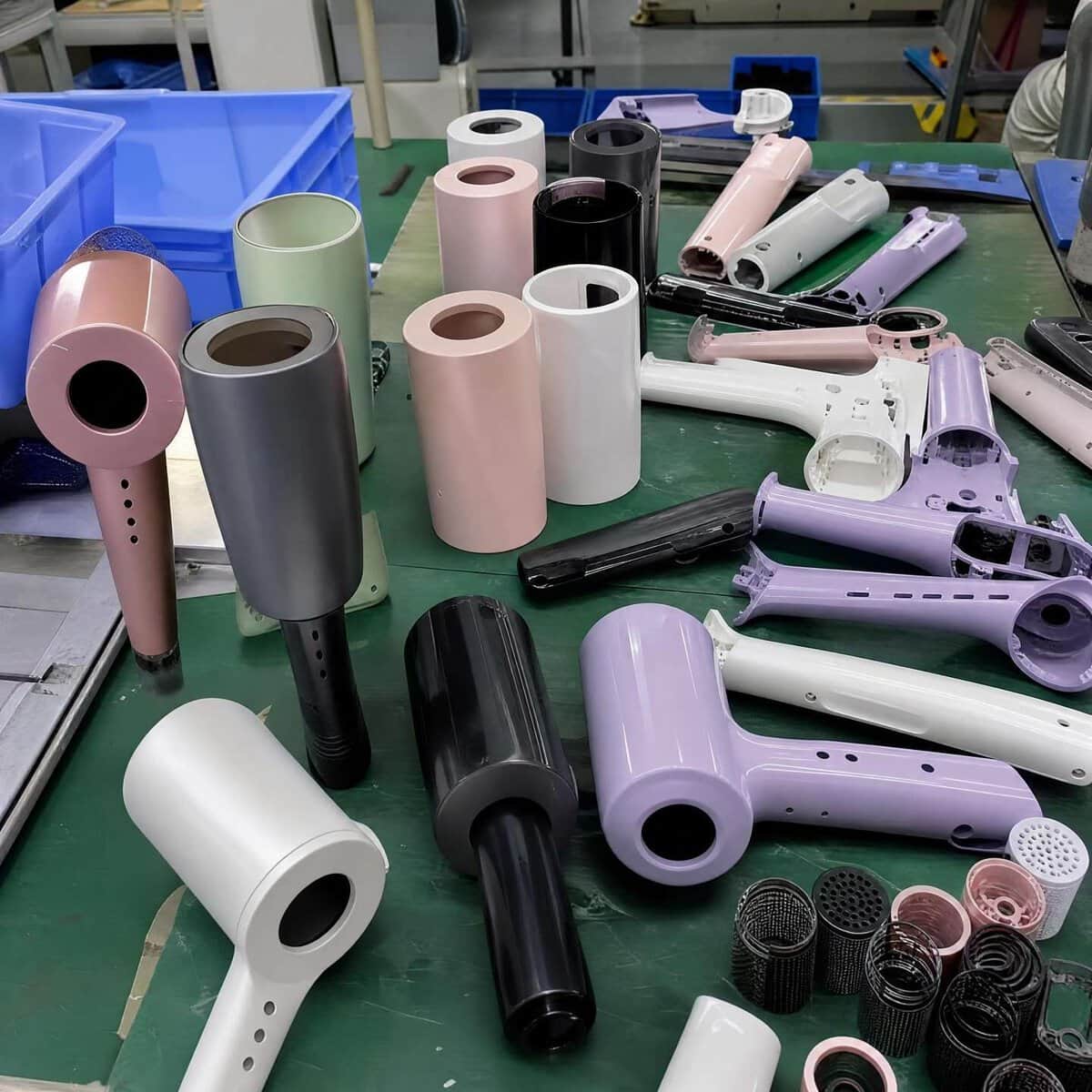
Cosmetic Definition Gate
Before machining customer-visible surfaces, Baile records the A-surface boundary, texture or gloss direction, color reference, Logo location and acceptable parting-line zones. If a cosmetic requirement remains open, the affected steel area stays on hold. Release evidence consists of marked product data and an accepted appearance direction, giving the tooling team one visual standard before irreversible work begins. The same reference is used during T1 appearance review and later batch checks.
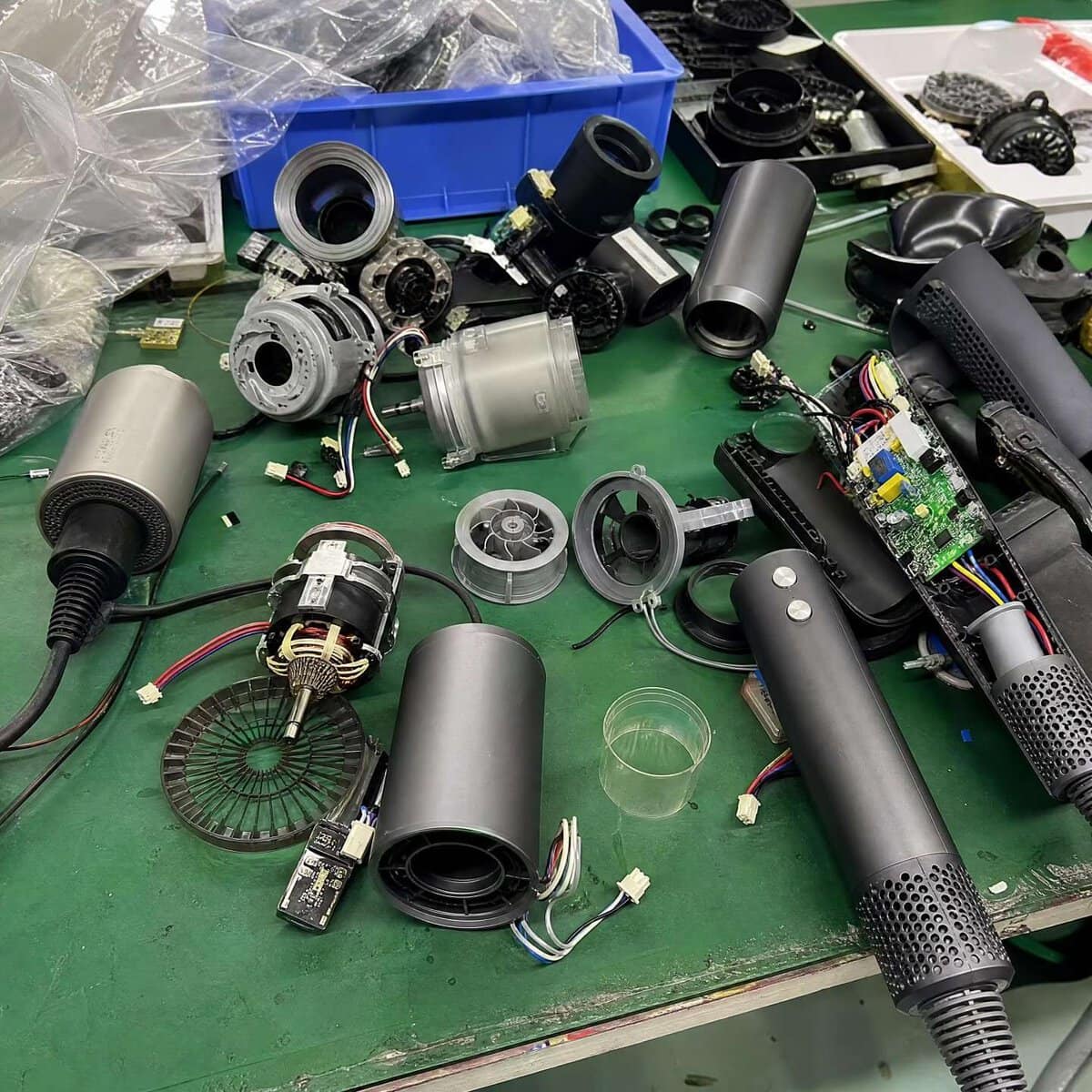
Component Package Gate
Core-side geometry is not finalized until the motor, fan, heating assembly, controls, wiring route and cord entry have usable envelope data. Baile records any missing or provisional component information and limits machining to unaffected areas. The gate closes when the internal package, mating parts and assembly clearances provide a stable basis for screw posts, clips, channels and housing interfaces. This prevents unresolved internal dimensions from becoming hidden mold corrections.
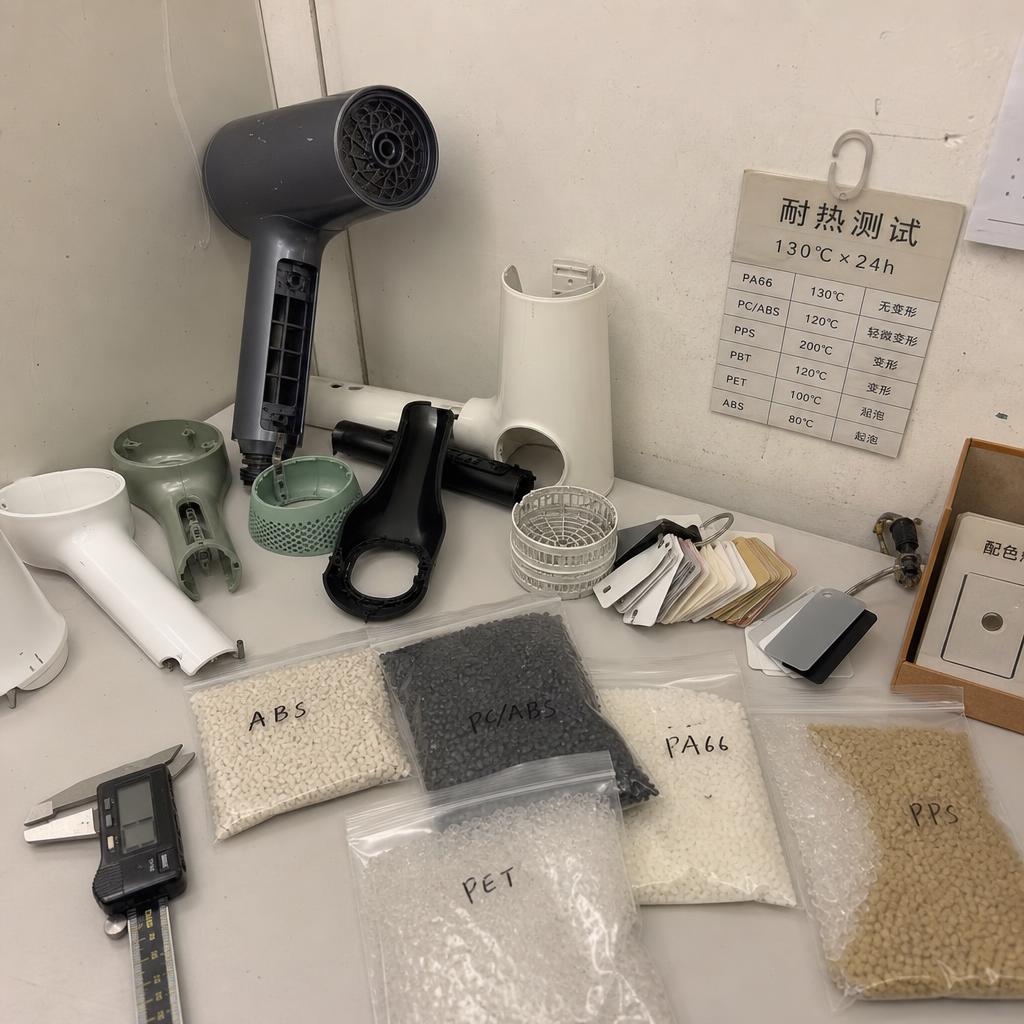
Trial Acceptance Gate
A presentable T1 sample does not automatically release the mold to production. Baile checks filling, ejection, dimensions, housing fit and the repeatability of relevant appearance characteristics across the trial output. Open defects remain on the correction list with a responsible action. Production handoff begins only after the agreed sample criteria and tooling corrections are closed or formally accepted as limits.
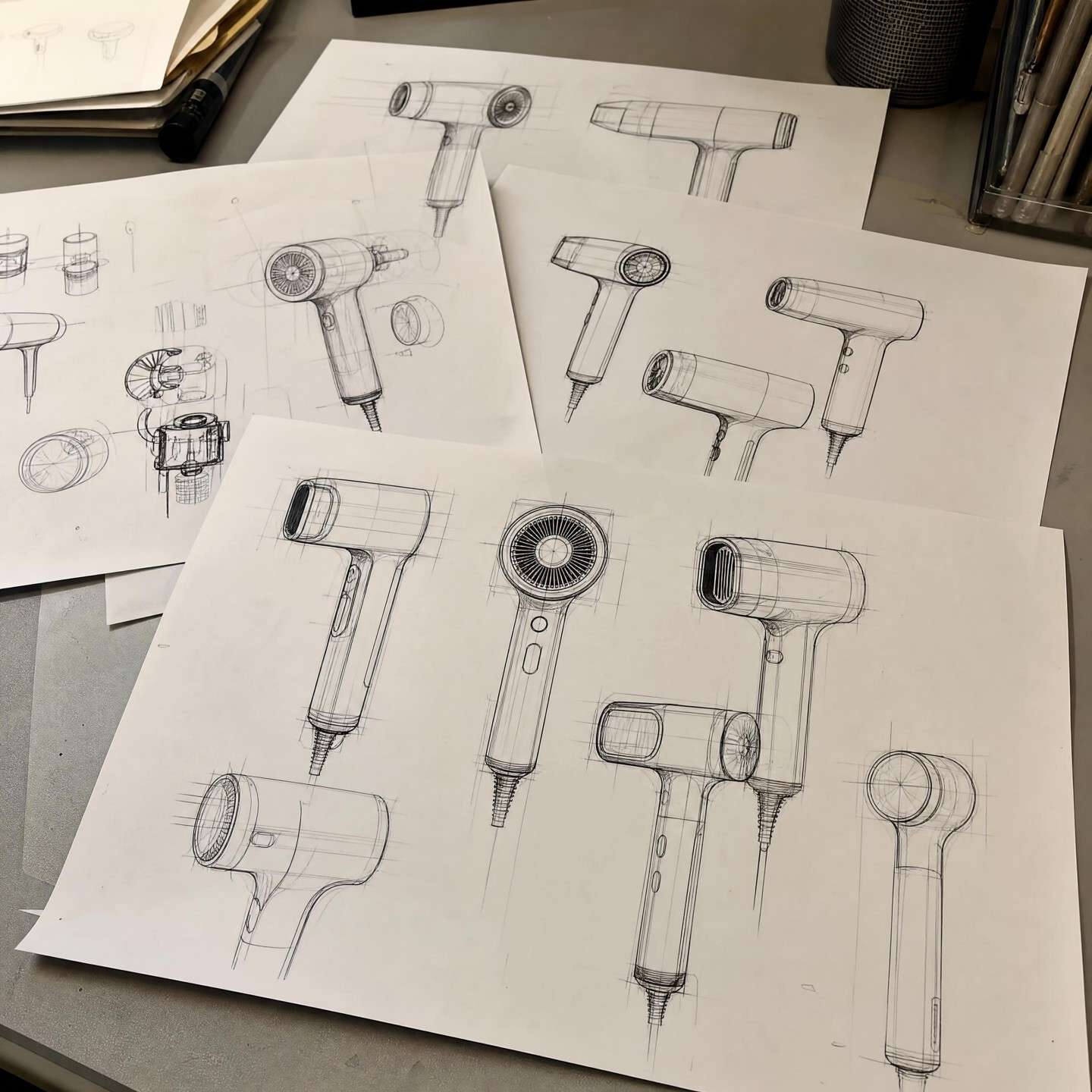
Change Authorization Gate
A revised file enters tooling only after Baile records the change reason, affected parts, required steel action and validation method. Changes outside the quoted scope also receive a cost and schedule impact before implementation. The authorized revision then replaces the previous baseline for machining, retrial and sample identification, preventing mixed versions from moving through the same mold project. The change record remains attached to the applicable tool and part reference.
Custom Mold Scope For Hair Dryer Plastic Components
Baile develops tooling around the plastic components that define hair dryer appearance, ergonomics, airflow access and assembly. The scope includes the main shell, handle, inlet, controls, attachments and application-specific support parts. Baile maps each component to its role in the finished product, making the tooling scope clear before standard parts and new molds are separated.
Main Housing
The main housing defines the recognizable brand shape and protects the internal motor, heating and control structure. Baile connects exterior styling with parting lines, wall thickness, internal clearance, screw posts, clips, air path access and assembly sequence before mold release. The approved geometry is then checked against the mating parts and the signed appearance standard before batch tooling release.
Handle Structure
Handle tooling must support comfortable grip, switch access, cable routing and reliable joining of the housing halves. Baile reviews grip geometry, structural ribs, screw locations, clip engagement, surface finish and assembly gaps so the finished handle remains consistent during batch production. The handle review also protects button access, cord routing and the intended user grip after final assembly.
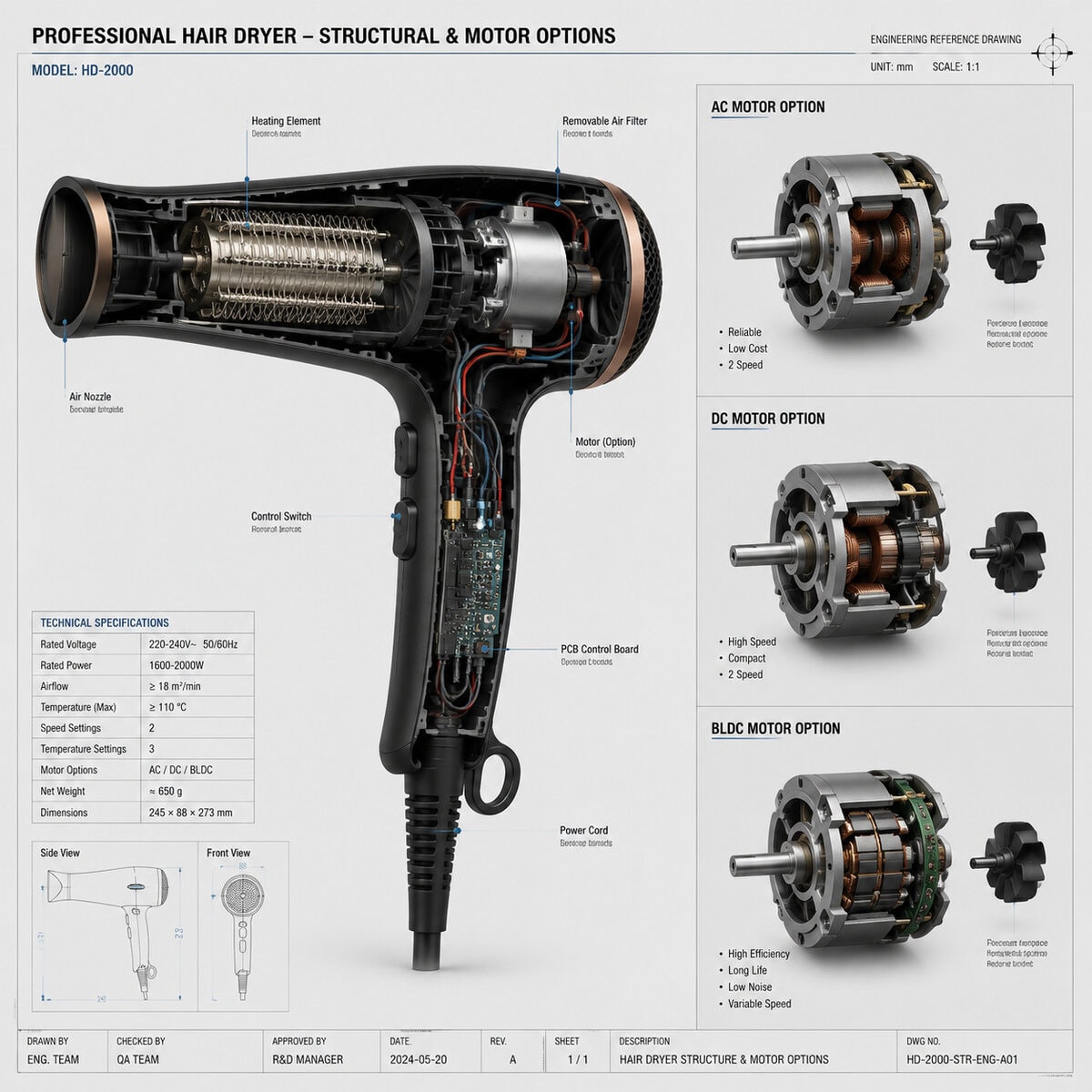
Air Inlet Parts
Air inlet covers and grilles influence airflow access, dust protection, cleaning access and the visible rear design. Baile can develop the plastic geometry around the selected motor and fan arrangement, then verify fit, appearance, fastening and airflow-related assembly requirements. Baile verifies the inlet part within the complete housing and airflow path so its fastening and opening geometry remain usable in the finished dryer.
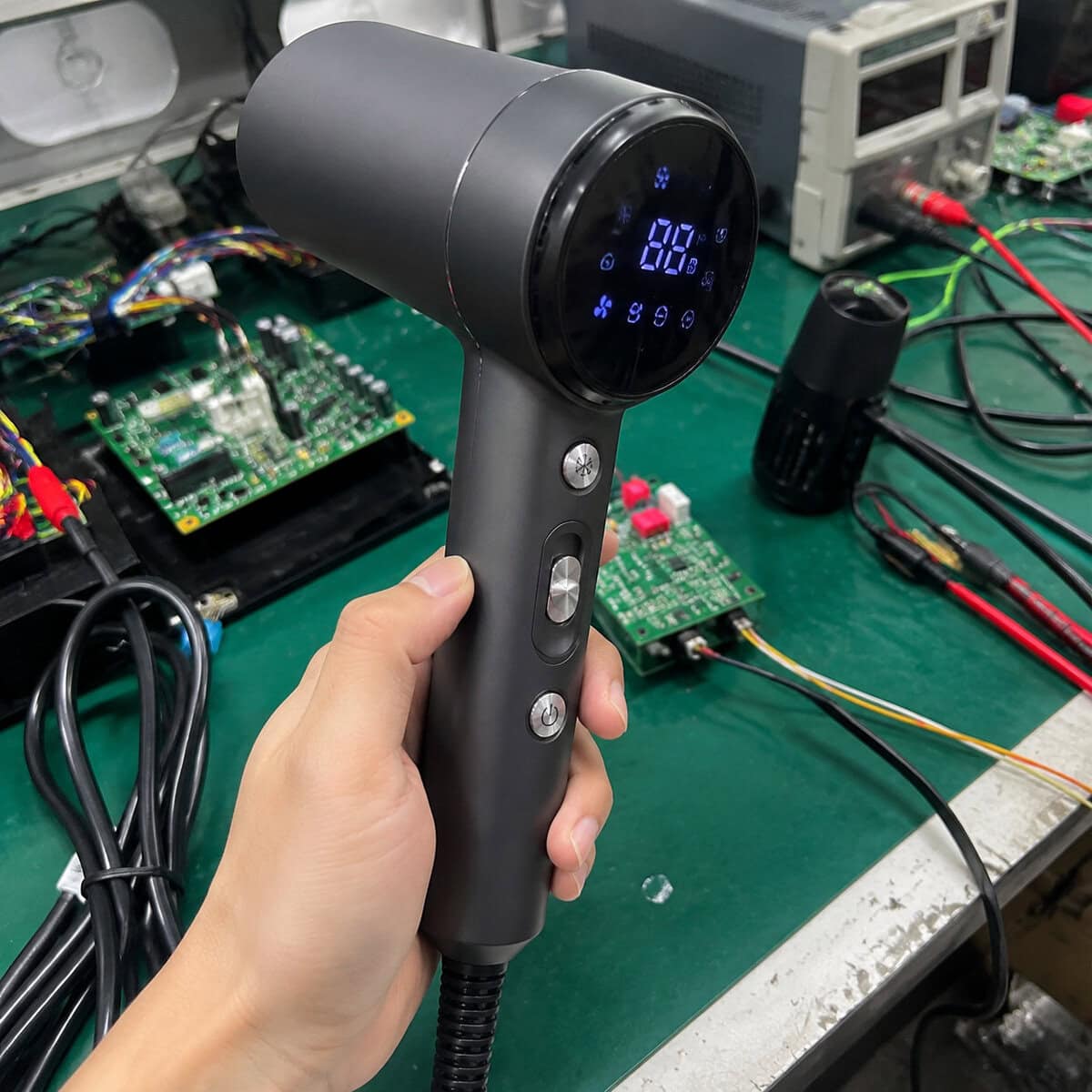
Control Components
Buttons, sliders and control housings must match the selected switch, PCB or control structure. Baile coordinates button travel, tactile feel, marking area, retention features, screw posts and housing openings with the approved electrical and assembly configuration. This keeps the control surface aligned with the electrical design, assembly sequence and final user interface.
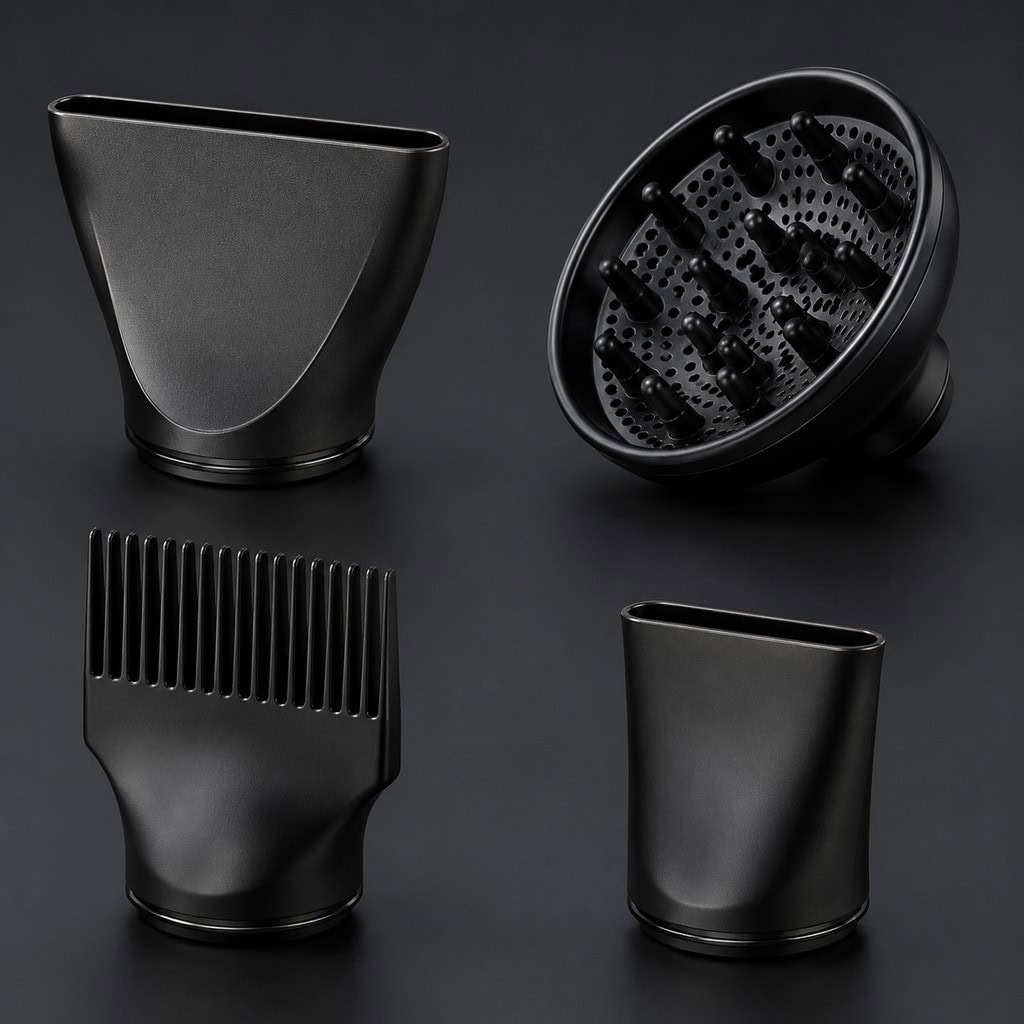
Outlet Grilles
Outlet grilles and air-directing covers shape the visible front profile and the path from the internal duct to the user attachment. Baile develops the opening pattern, retention features, surface treatment and mating geometry around the housing and airflow structure. The part is checked for repeatable fit and clean release from its own mold features.

Wall-Mount Parts
Wall-mounted hair dryers require plastic housings, brackets or covers that fit the installation and safety configuration. Baile can coordinate mounting structure, cable routing, product retention, service access, surface treatment and batch packaging for hospitality or engineering programs. The tooling route is connected to the installation environment, maintenance access and confirmed electrical configuration.

Stand Components
Stand or support components must match the required height, angle, stability and product retention. Baile connects support-part tooling with the selected hair dryer body, base, fasteners, surface finish and packaging space for hands-free or special-care applications. The final review covers stability, fit, appearance, assembly access and protection during transport and storage.
Decorative Trim
Rings, bezels, windows and other decorative plastic trims can be molded as separate components when the product design calls for a layered appearance or a replaceable visual part. Baile aligns trim thickness, retention, color, gloss, Logo treatment and mating edges with the main housing so the brand finish remains consistent after assembly.
DFM Decisions That Protect Hair Dryer Mold Performance
Baile treats DFM as the connection between industrial design, tooling cost, molded-part appearance and stable assembly. The engineering review focuses on geometry, parting and ejection, cooling behavior and component fit before steel decisions become expensive to reverse. Baile resolves marked findings in the product data and tool concept, creating a defined technical basis for quotation, machining and trial validation.
Geometry Review
Baile checks draft direction, wall thickness transitions, ribs, bosses, clips, sharp corners, deep features and internal clearance. The review identifies areas that may create sink marks, short shots, deformation, difficult ejection or unnecessary tooling actions. The goal is a structure that preserves the brand design while remaining practical for repeatable injection molding. Each issue is marked on the active part geometry with a proposed engineering response.
Parting And Ejection
Parting lines, sliders, lifters, ejector positions and gate locations are planned around the visible surface, assembly split, air openings and service requirements. Baile uses the approved 3D model and 2D drawings to align the tool concept with appearance, assembly access and production maintenance. The review also identifies witness marks or tool actions that require explicit appearance acceptance. Those decisions are recorded before the corresponding mold components are finalized.
Cooling And Cycle Control
Cooling layout, material behavior, filling balance and ejection timing affect warpage, dimensional stability and cycle consistency. Baile connects the mold design with the selected ABS, PC or PP material, part geometry, machine capability and target production plan before the tool enters trial production. Critical dimensional areas are linked to the molding conditions most likely to affect them. This link guides trial measurements and later process-window definition.
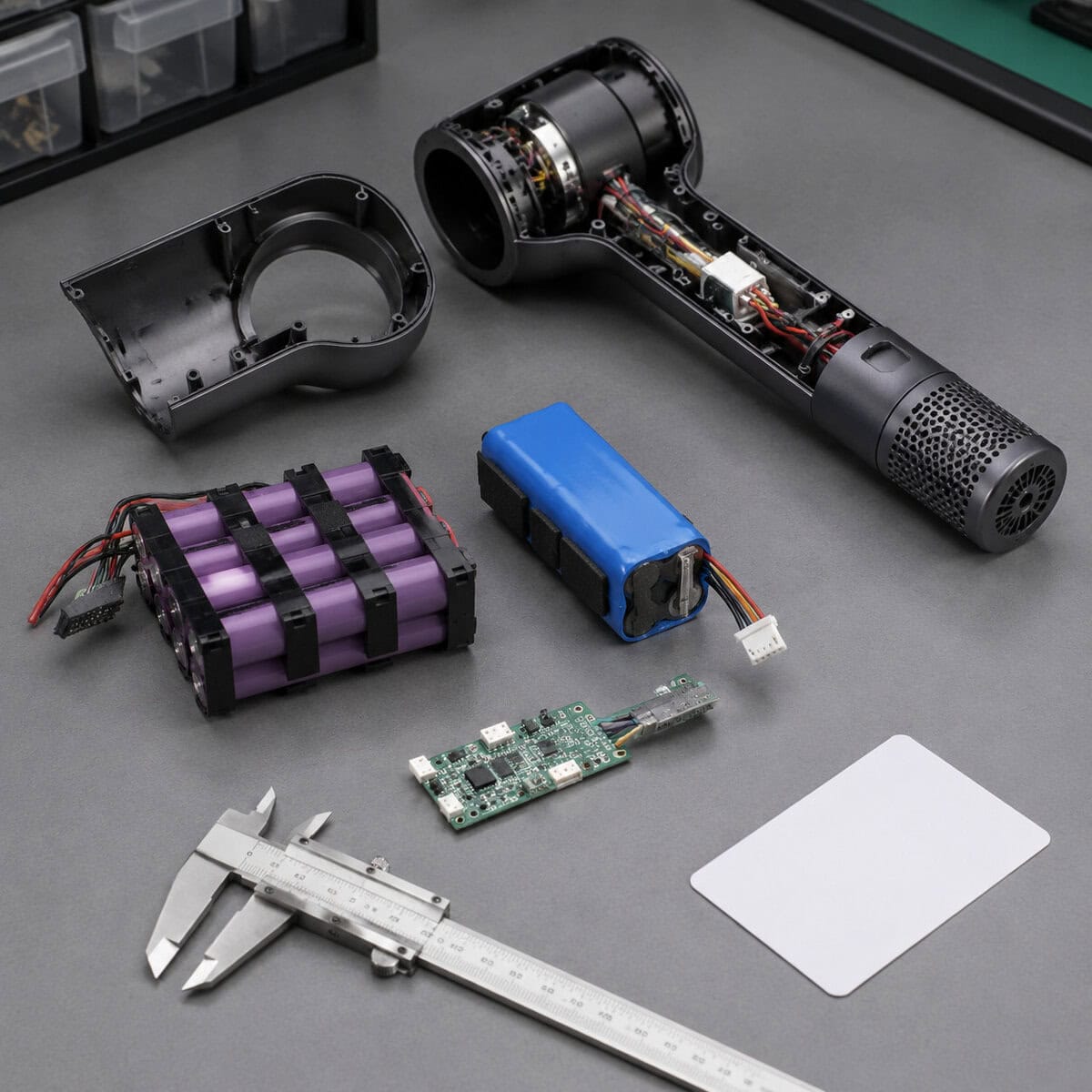
Assembly Validation
The molded part is checked against the motor, heating assembly, PCB, switch, cord, nozzle and mating housing parts included in the released product design. Baile uses trial-part assembly checks to identify fit problems before production tooling handoff. The issue list distinguishes mold correction from component or assembly-process changes. Mating samples and critical components remain available for the required retrial and fit confirmation.
Select Plastic Materials For Housing And Tooling Requirements
Baile connects material choice with housing appearance, local heat exposure, impact requirements, shrinkage, assembly fit and the intended surface treatment. The table separates base-resin decisions from decoration processes and shows the production controls applied to each. Final selection remains tied to the released part design, electrical configuration and applicable finished-product test plan rather than to a material name alone.
| Material or Finish | Hair Dryer Application | Baile Project Control |
|---|---|---|
| ABS | Main housing, handle covers, control covers and general cosmetic components where appearance and process stability are important. | Confirm resin specification, color, shrinkage behavior, surface appearance, assembly fit and approved sample reference. |
| PC | Components requiring a different balance of impact, heat exposure and appearance performance. | Confirm the grade, molding conditions, dimensional behavior, transparency or color requirement and product-level test plan. |
| PP | Selected structural or accessory parts where the approved design benefits from PP material behavior. | Confirm material specification, hinge or clip behavior, shrinkage, fit, surface result and packaging protection. |
| Spray Finish | Brand-specific color, gloss, matte or special visual effect on approved plastic parts. | Control paint specification, color reference, coverage, adhesion, Logo area, scratch risk and appearance inspection. |
| Printing Or Laser Marking | Logo, operating marks, compliance marks, model information and barcode-related product identification. | Confirm artwork, position, contrast, durability, language version and signed sample before batch production. |
Eight Steps From Design Freeze To Production Tooling
Baile moves each hair dryer housing tool through eight physical engineering and manufacturing stages. The route starts with a released part definition, continues through tool design, steel processing, fitting and trial correction, and ends with an injection-ready handoff. Drawings, tool checks, samples and trial records are produced at the points where a decision becomes costly to reverse. This sequence shows what physically happens to the mold, separate from commercial approvals and finished-product shipment.
Part Definition Freeze
Baile establishes the released geometry, material direction, cosmetic surfaces, texture or finish, mating parts and critical dimensions for each molded component. The source package may include 3D files, 2D drawings and physical references. Open geometry points are closed or identified as controlled assumptions before the tool concept becomes the basis for machining.
Tool Concept Release
Baile defines the parting strategy, cavity arrangement, gate route, cooling concept, ejection method, sliders, lifters, inserts, mold steel and interface standard. The released concept shows how the housing will fill, cool and leave the tool while protecting the visible surfaces and required assembly features of the hair dryer. The concept review is completed before detailed steel processing begins.
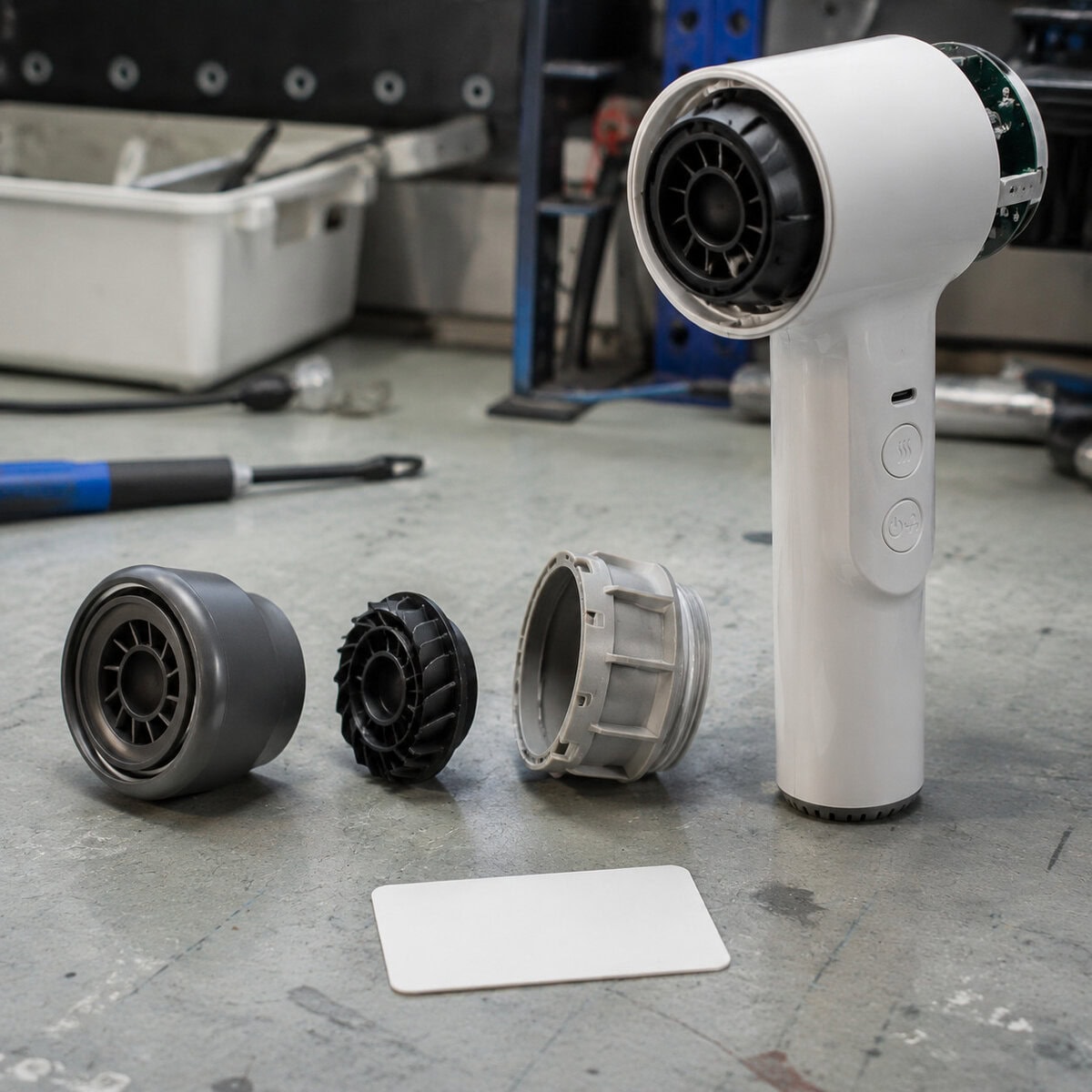
Steel And Component Preparation
Baile prepares mold plates, core and cavity steel, inserts and standard components against the released bill of tooling materials. Material identity, component dimensions and the machining route are checked before detailed processing. Replaceable inserts can be planned where the geometry or maintenance strategy benefits from localized service rather than major steel rework.
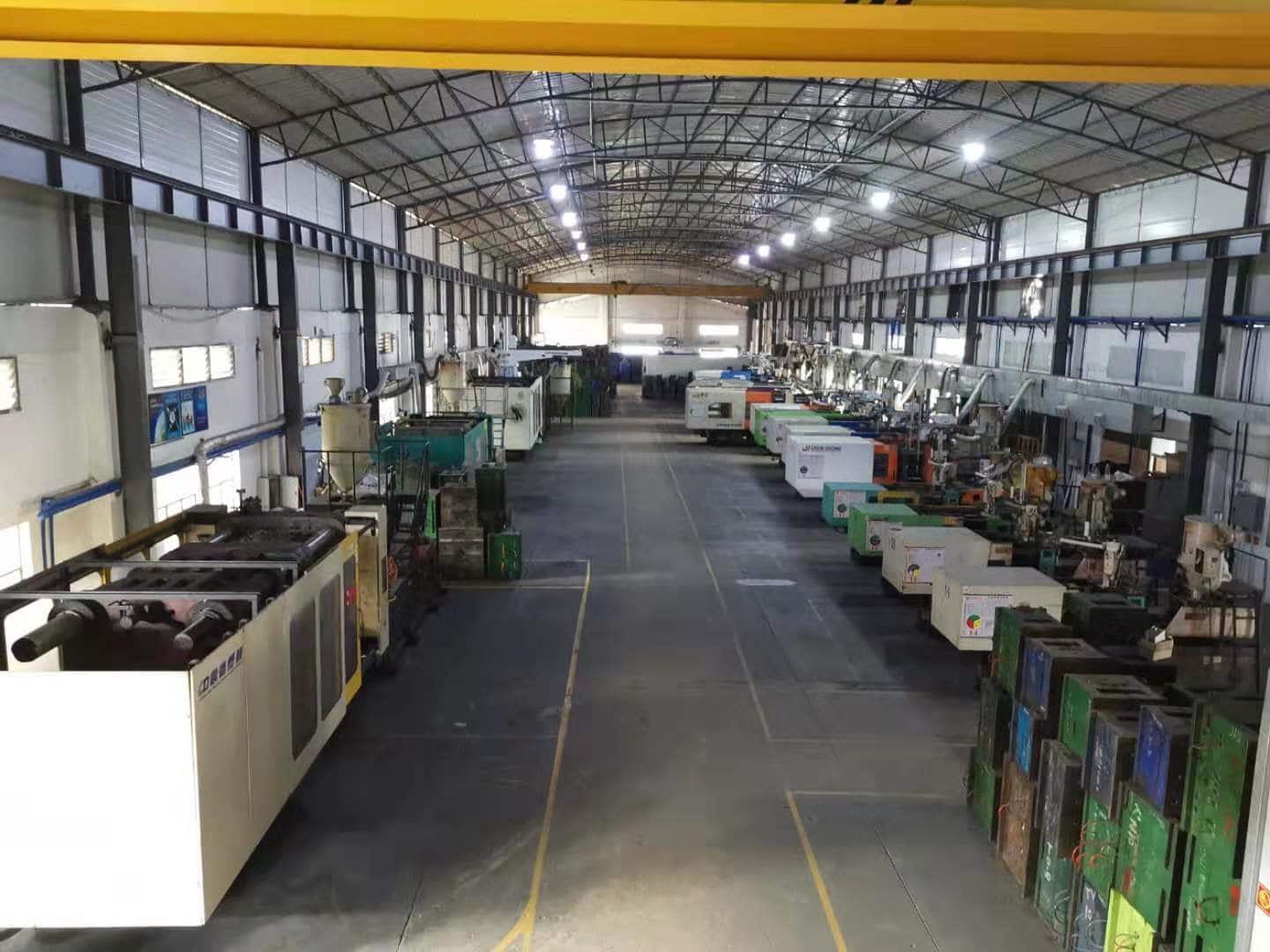
Machining And Finishing
Baile carries out the required machining, electrode work, wire cutting, grinding, drilling, polishing and surface preparation for the approved tool structure. Critical tool features are checked during processing so a deviation can be corrected before final assembly. Cosmetic areas receive finishing appropriate to the released appearance or later surface-treatment requirement.
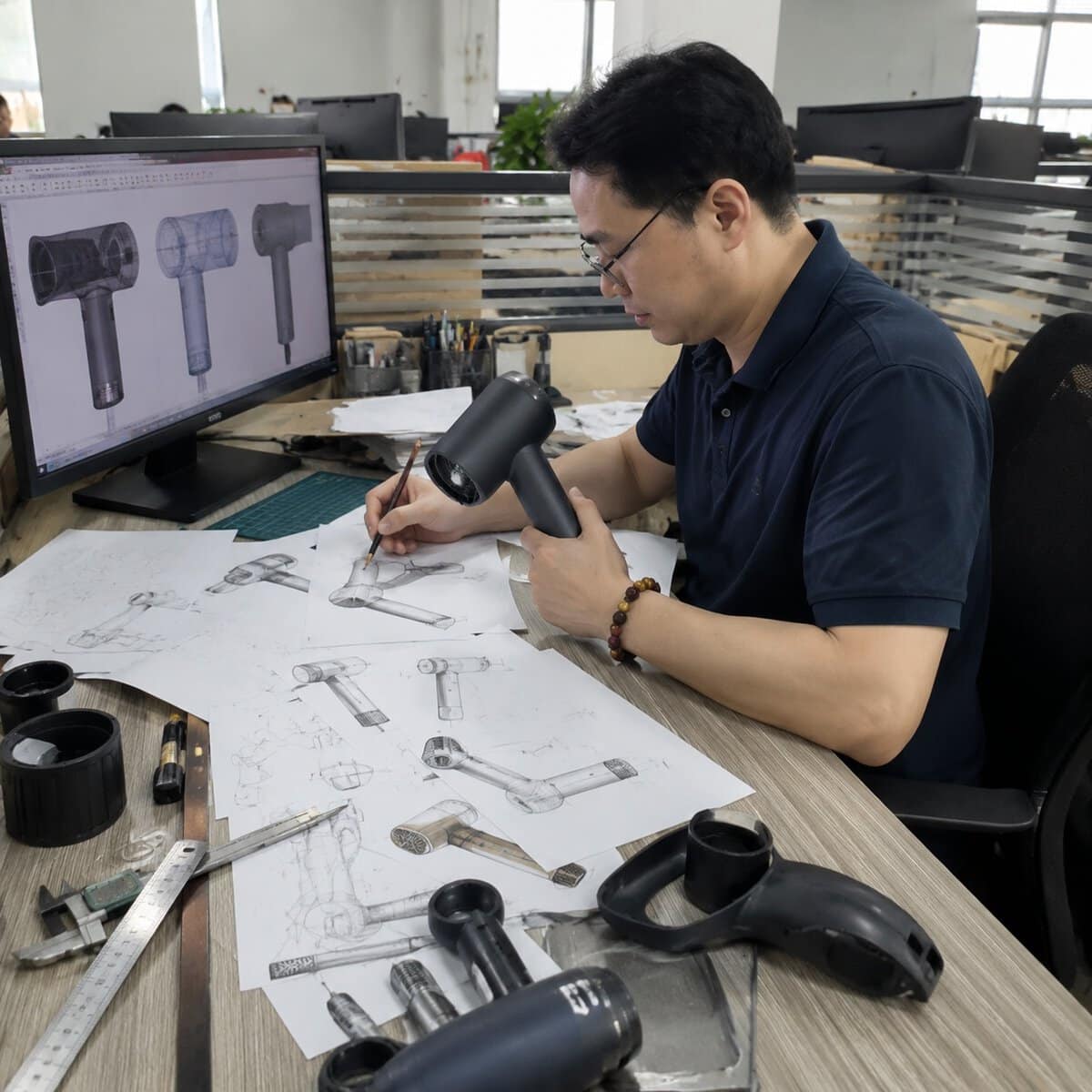
Fitting And Bench Check
Baile assembles and fits the core, cavity, slides, lifters, ejectors, cooling connections and standard mold components. Opening, closing and movement are checked before injection trial. The bench review looks for interference, incomplete travel, sealing issues and maintenance access that could damage the tool or interrupt the first molding run. Observed fitting issues are corrected before machine installation.

T1 Mold Trial
Baile installs the tool on an assigned injection machine and runs the first formal trial with the defined resin direction. Baile records filling behavior, release condition and visible defects, then checks dimensions and mating-part fit. T1 samples and the trial report create a factual correction list. Baile normally plans the first new-mold sample within 45 to 75 days, subject to structural complexity and released project inputs.
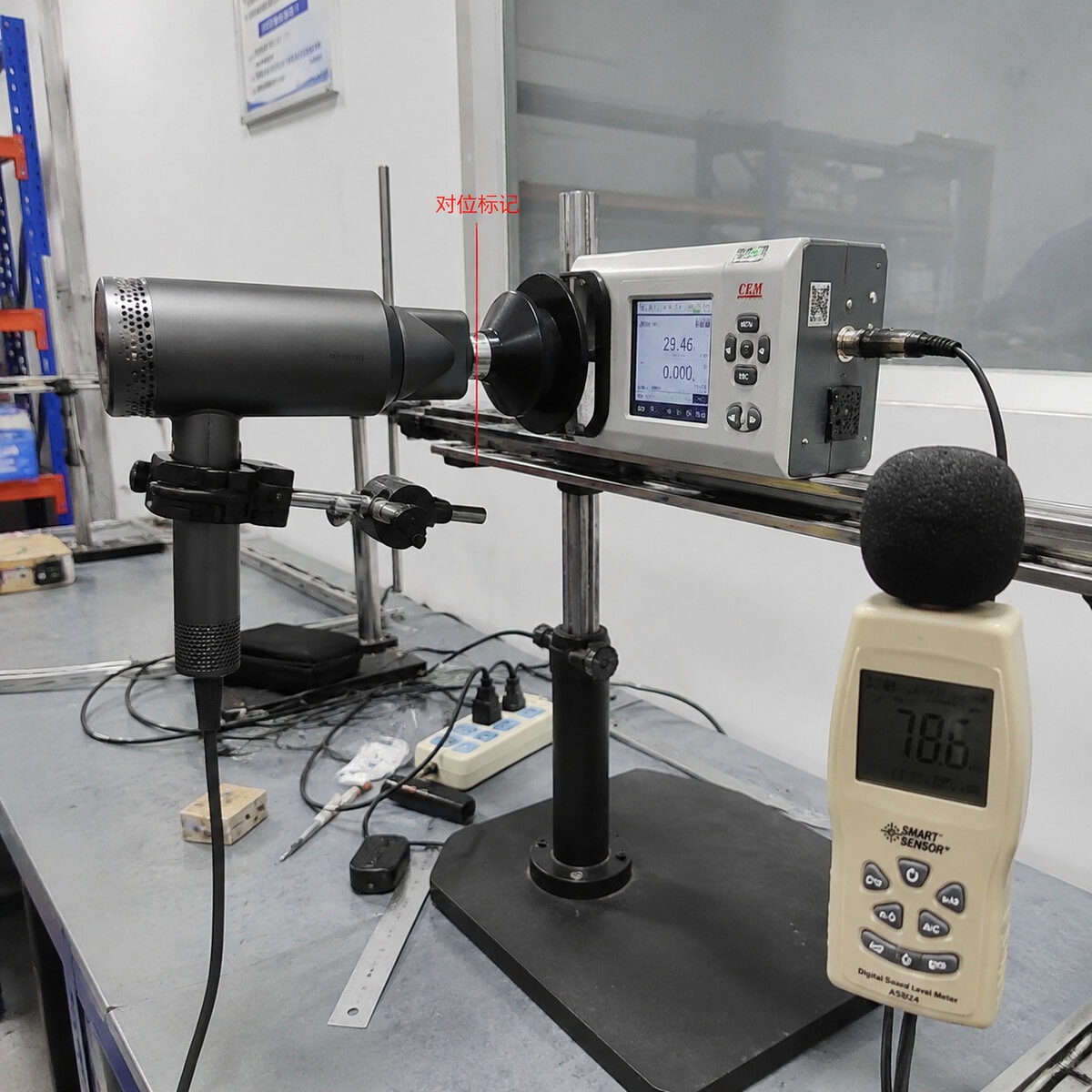
Correction And Retrial
Baile assigns each trial issue to mold correction, part-design clarification or molding-process adjustment. Steel changes, insert work, venting, polishing and fitting corrections are recorded before the next trial. Revised samples are checked against the same defined characteristics until appearance, dimensions, ejection and assembly fit reach the agreed release condition. Each retrial closes or carries forward the recorded issue status.

Production Handoff
Baile transfers the accepted mold, part reference, critical dimensions, resin direction, machine assignment and usable molding window into injection production control. The handoff also identifies maintenance points and known limits. This stage closes the tooling-development loop and gives the molding team a controlled basis for repeat housing production. The production team receives the current mold and part baseline.
Transfer Approved Hair Dryer Tooling Into Planned Production
Baile connects an accepted hair dryer mold with machine allocation, resin preparation, component scheduling and assembly capacity. The production plan is built around the actual tool size, cavity route, molding cycle, product configuration and order volume. Equipment-fit checks, line synchronization, realistic capacity allocation and mold care define how the tooling investment becomes repeat production rather than remaining an isolated engineering asset.
Injection Equipment Fit
Baile operates 100+ injection-molding machines and supports ABS, PC and PP production routes. Baile handles molds up to 600 x 600 mm within the stated equipment boundary, and a single-part injection cycle can reach approximately 30 to 60 seconds. Actual machine allocation and cycle planning depend on mold dimensions, weight, required clamping force, shot requirement, cavity plan, resin and interface conditions.
Before production allocation, Baile matches:
- Mold envelope and machine interface
- Resin and color preparation requirements
- Cavity output and expected molding cycle
- Part-removal and handling method
- Required downstream surface treatment
This equipment-fit check lets Baile assign the released tool to the appropriate machine group and production route.
Mold-To-Line Scheduling
Baile operates 10 automatic and semi-automatic assembly lines. Injection output is scheduled with surface treatment, purchased components, assembly fixtures and line availability so molded housings do not become disconnected work in progress. Automatic screw fastening, laser welding and function-test stations are assigned where the product structure requires them.
The production schedule aligns:
- Housing and accessory molding lots
- Motor, heating, control and cord availability
- Surface finishing and Logo operations
- Assembly fixture and station preparation
- Finished-unit test and packing capacity
This converts mold output into a planned finished-product route inside Baile's injection and assembly resources.
Capacity Allocation
Baile's approximate finished hair dryer capacity is 40,000 pieces per month and 480,000 pieces per year. These figures describe overall production capability, not a reserved quantity for every new project. Order allocation is confirmed against tool readiness, cavity output, cycle time, component supply, line loading, test duration and pack-out requirements.
For launch and repeat orders, Baile can structure:
- Trial or pilot production after tool acceptance
- Planned ramp-up against component and line readiness
- Batch schedules for retail or engineering programs
- Repeat-order slots based on the active forecast
The confirmed production schedule therefore reflects the complete product route rather than injection capacity alone.
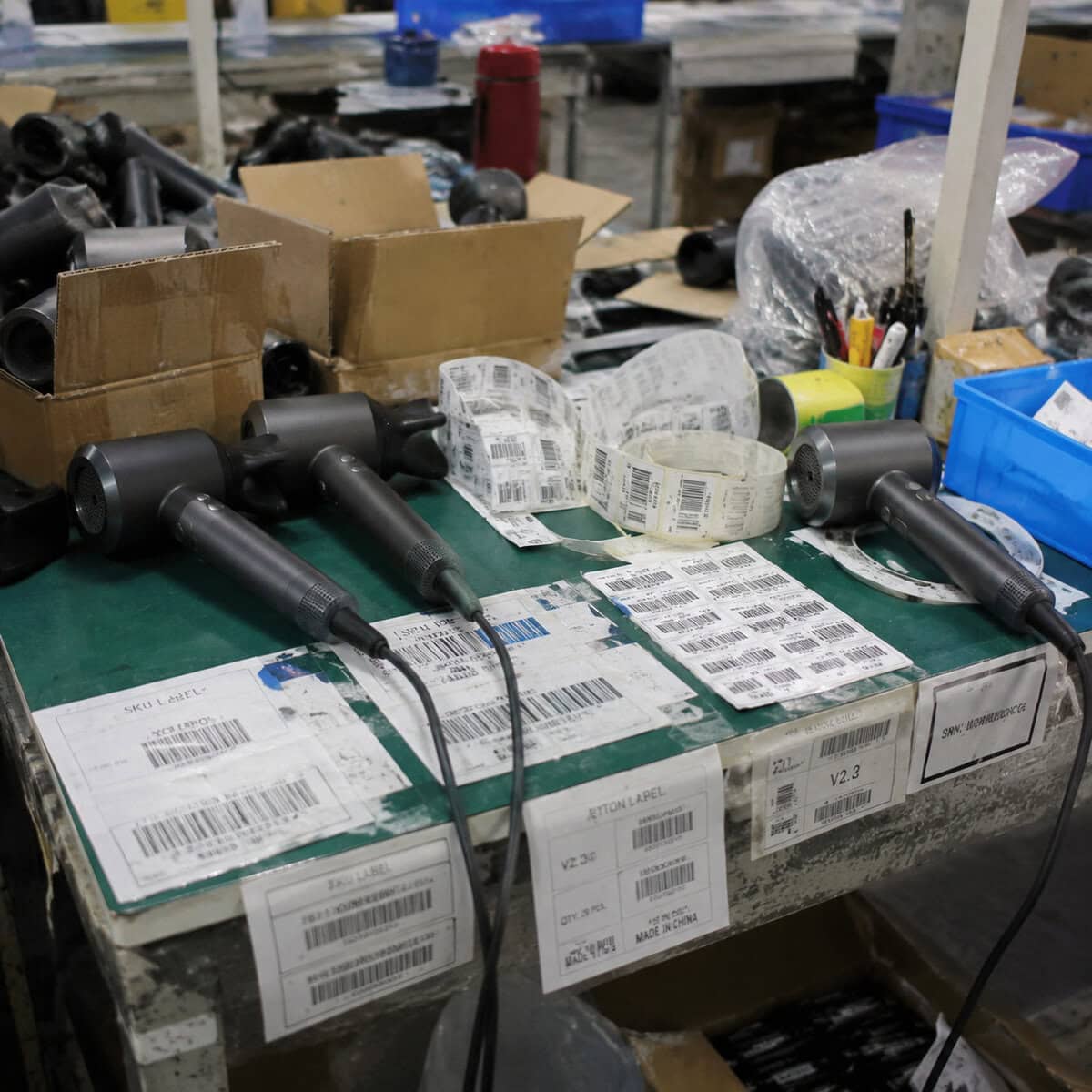
Production Changeover
Before a production run, Baile checks the mold identity, part revision, resin and color route, machine setup, handling method, fixtures and line clearance. The changeover record identifies the current setup and any tool condition that requires attention before molding begins. This gives the production cell a repeatable start point for the scheduled order.
The setup record can include:
- Mold identity and active part revision
- Resin, color and machine assignment
- Fixture and downstream process readiness
- First-piece setup checks
- Open condition requiring maintenance follow-up
The production team receives a controlled setup before the first batch piece is released for the run.
Connect Tooling Decisions With The Finished Hair Dryer
The mold defines the plastic structure, but the finished product also depends on the motor, heating assembly, airflow path, controls, surface identity, attachments, cord entry and inlet design. Baile coordinates these interfaces while the housing geometry is still adjustable. This prevents a recognizable exterior from being developed separately from the internal package, user controls, service access and measurable operating behavior of the finished hair dryer.
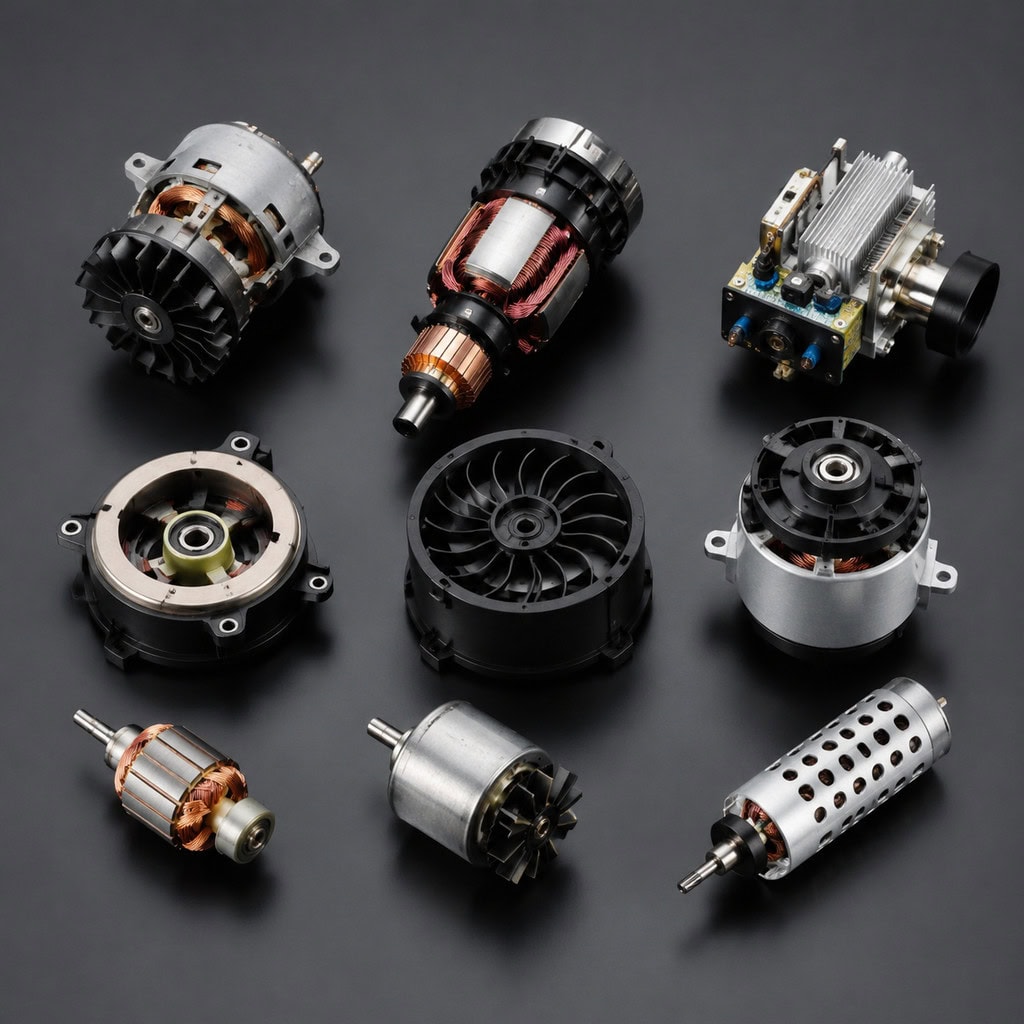
Motor Route
Baile supports high-speed motor solutions for premium dryer projects and cost-controlled brushed motor routes for mass-market models. The selected motor must match the housing clearance, airflow path, heat management, control structure, noise target and product positioning. Motor selection is therefore reviewed together with the mold, fan, heating and control structure.
Heating Assembly
The heating assembly, thermal protection, air path and housing material must work as one system. Baile coordinates heating configuration, internal clearance, outlet temperature checks, overheat protection and assembly access within the approved product structure. The selected route is verified through the released design, assembly checks and applicable finished-product testing before production.
Airflow Structure
Baile reviews fan, inlet, duct, outlet and nozzle relationships when the housing or accessory geometry is customized. Wind speed, airflow, outlet temperature and noise checks are connected to the approved motor, heating and control configuration. This keeps the new housing design connected to measurable finished-product performance and prevents a styling change from unintentionally restricting the intended air path.
Controls And Modes
Speed settings, temperature settings, cold air functions, switches, buttons and control boards can be coordinated with the housing mold. Baile checks button position, travel, marking, assembly access and function against the approved product configuration. The result is a control layout that remains practical for assembly, operation, inspection and later replacement of the selected electrical control components.
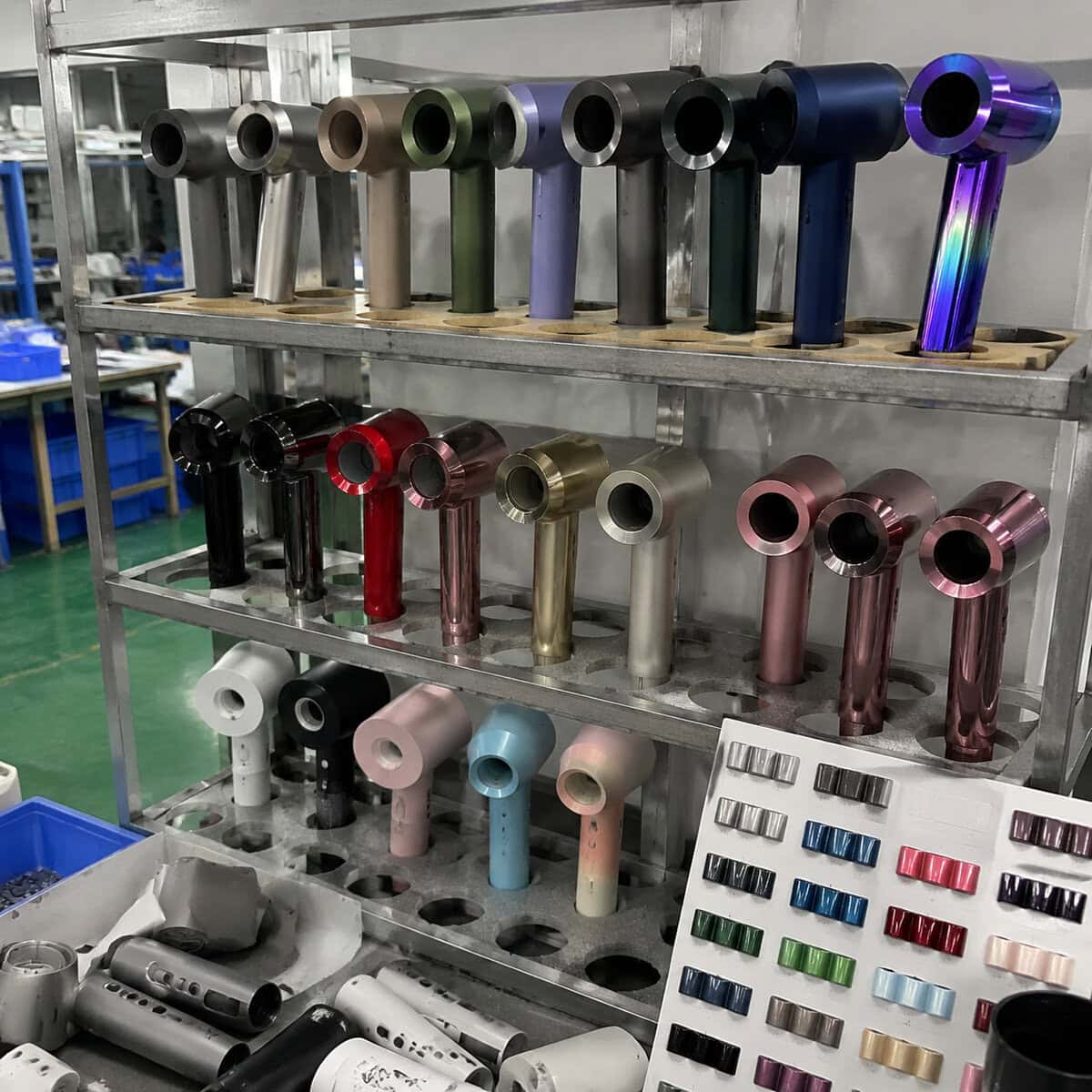
Housing Color
Baile supports color references, surface finishes, spray effects, matte or gloss appearances and brand-specific visual treatments. Color and surface samples are confirmed before batch production, with inspection focused on consistency, coverage, scratches and Logo areas. The signed sample becomes the visual reference used by the molding, finishing and quality teams throughout the applicable order.
Logo Treatment
Logo printing, pad printing, silk screen printing, laser marking and related identification treatments can be coordinated with the housing design. Baile confirms artwork, position, size, contrast, durability and language or compliance marking requirements. Artwork approval is completed before the applicable housing decoration process begins, with curved surfaces, parting lines and handling areas considered in the placement review.
Nozzle Set
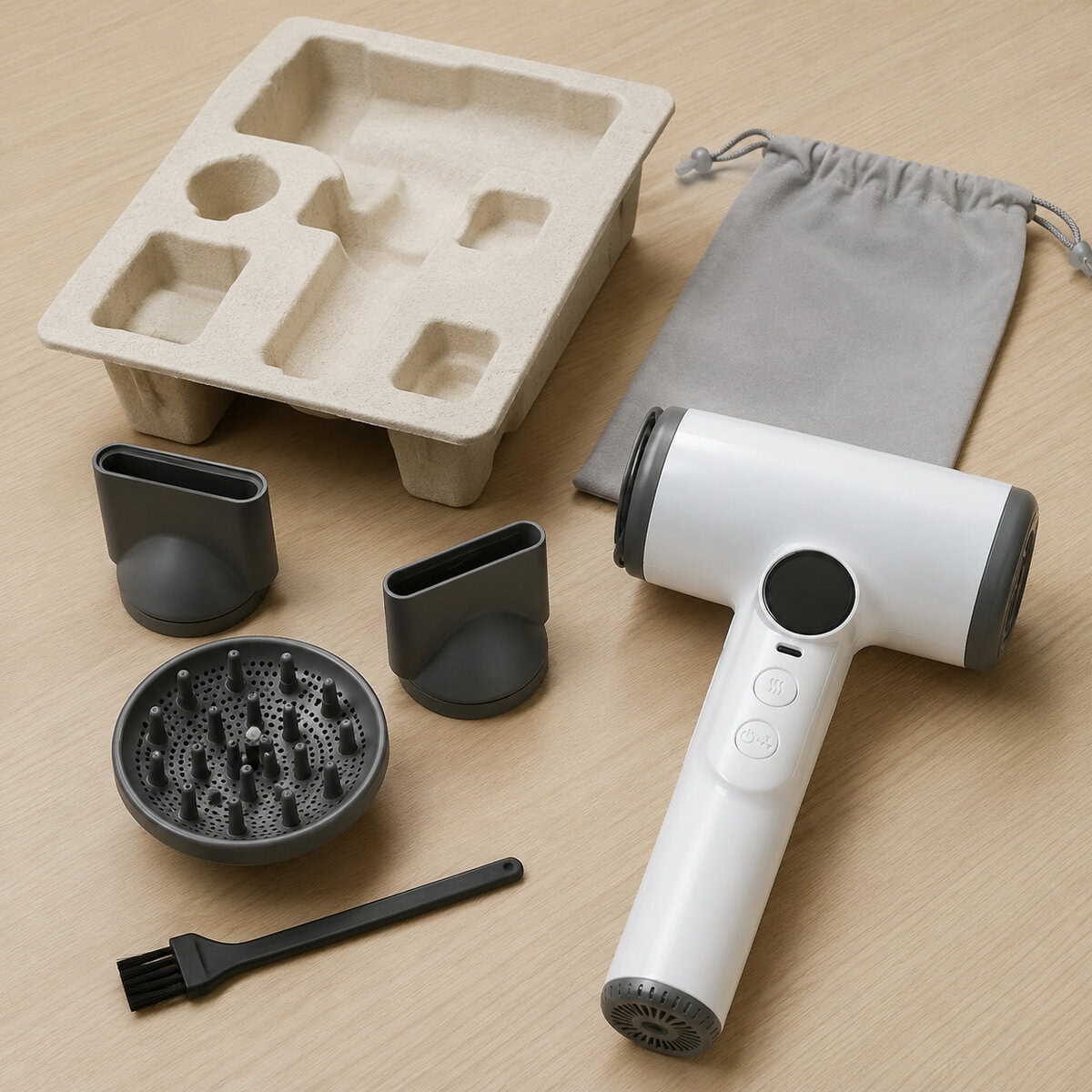
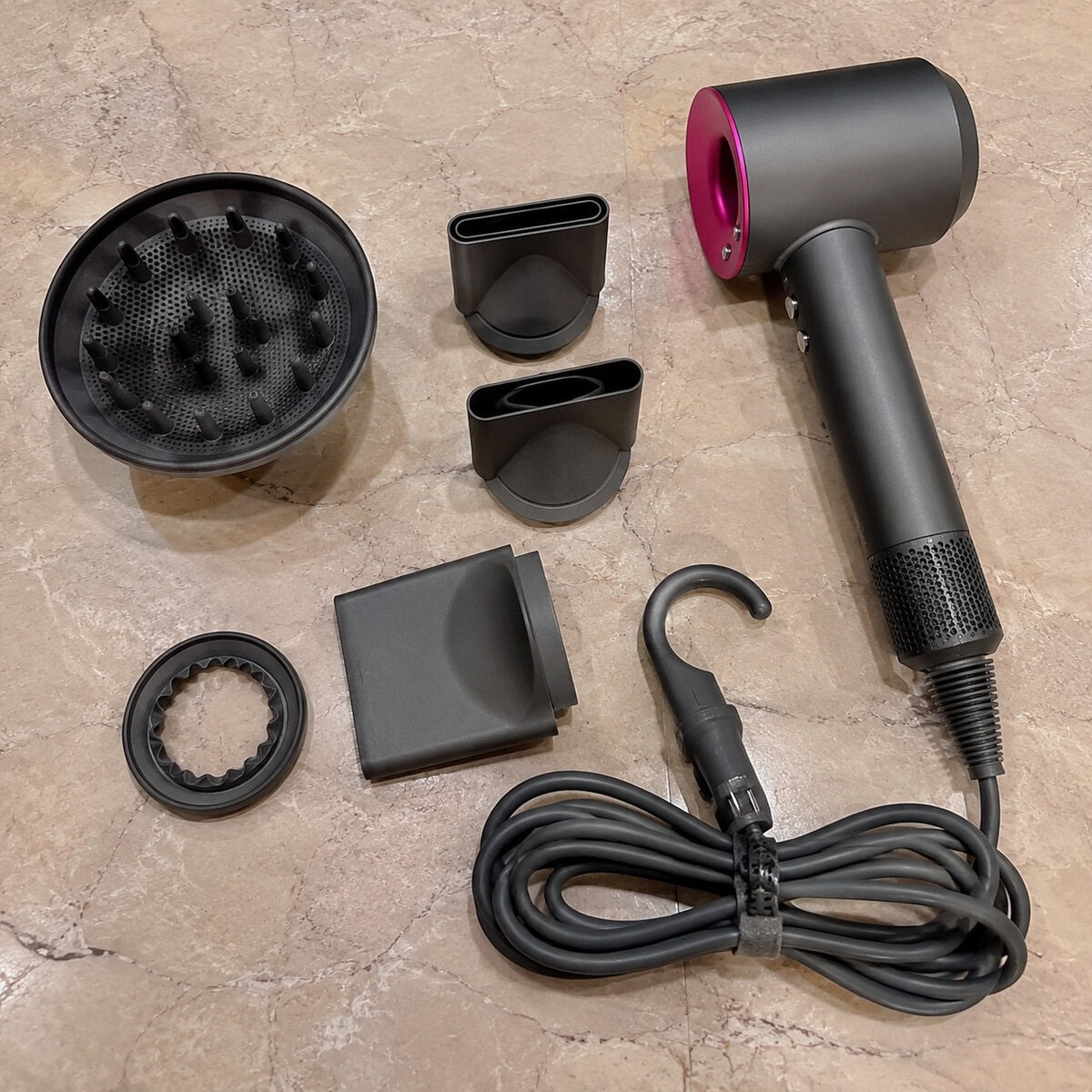
Concentrators, diffusers, comb-style nozzles, cleaning tools and storage accessories can be combined into different product configurations. Baile checks connection fit, quantity, material, appearance, instruction content, inner tray space and final carton protection. The mold interface is checked for repeatable attachment and removal without damaging the housing outlet or weakening the intended connection.
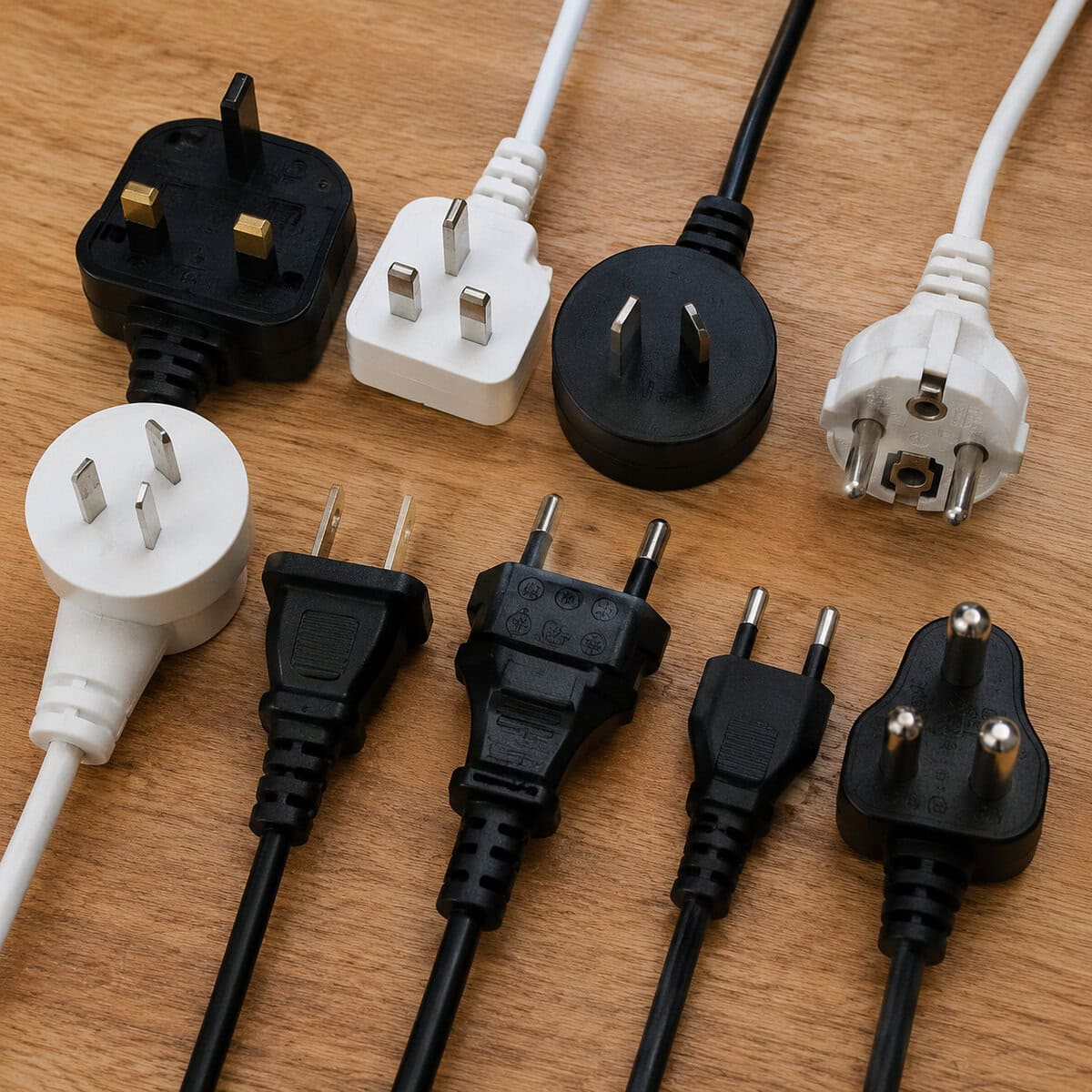
Cord Entry Geometry
The handle mold must accommodate the intended cord route, strain relief, fastening point and available internal bend radius. Baile reviews the plastic opening and surrounding support structure against the selected fixed or swivel cord solution. This keeps the cord interface practical for assembly and consistent with the electrical configuration. The review also covers pull direction and surrounding wall strength.
Filter And Rear Cover
Rear-cover and filter geometry influences air intake, cleaning access, retention and the visible back profile. Baile coordinates grille openings, clips, threads or locking features with the selected housing and airflow route. Removable parts are checked for repeatable fit, user access and resistance to accidental release during normal handling. The selected structure is included in trial assembly and fit review.
Release Each Hair Dryer Batch Through Defined Quality Gates
Baile uses stage-specific quality gates for material entry, molded-part acceptance, assembly release, performance, electrical safety, reliability and shipment. Each gate has an acceptance reference and an output record. The applicable measurements and sampling route follow the released hair dryer model, customer specification and destination-market requirements.
Material Release
Baile checks the identity, specification, quantity and condition of resin and key purchased components before they enter the production route. Motors, heating parts, controls, cords, plugs, thermostats and packaging materials are checked against the applicable order record. The incoming result identifies the accepted or isolated batch for later traceability.
Molded-Part Release
Baile releases a new molding run after checking the first parts against the part drawing and accepted sample. Dimensions, housing fit, clips, screw posts, openings and deformation are reviewed at the defined control points. A failed result holds the molding process for adjustment instead of passing the variation into assembly.
Cosmetic Release
Housing color, gloss or matte level, texture, spray coverage, Logo treatment, flash, sink, flow marks and scratches are checked against signed or defined appearance references. Baile can use limit samples where an acceptable visual boundary needs to be made clear. Rejected parts are separated before they consume assembly capacity.
Assembly Release
At the assembly gate, Baile checks fastening, wiring route, housing gap, switch or button action, cord connection and attachment fit against the released process. Function-test stations identify units that do not complete the intended operating modes. The inspection record links the assembled condition to the active model version.
Performance Release
Baile records selected wind speed, airflow, outlet temperature, operating power and noise results against the defined performance criteria. The measurements verify that the custom housing, inlet, duct, outlet, motor and heating route operate as one finished system. Test conditions and acceptance limits are defined for the applicable model.
Safety Release
Baile's laboratory supports withstand voltage, grounding resistance, leakage current, voltage/current and power-related checks. The production test route is tied to the released voltage, plug, cord, heating and control configuration. Results are recorded against the applicable internal, customer or market-specific criteria for that model.
Reliability Release
Baile operates 12 independent aging rooms, each holding approximately 50 to 100 products for continuous operation testing. The defined plan can include temperature, wind performance, heating power and ionic function where applicable. Test duration, sample scope and acceptance criteria follow the model and agreed project requirement.
Shipment Release
Before shipment, Baile applies the agreed full-inspection or AQL sampling route to finished units and packed goods. Appearance, function, quantity, accessory set, manual, labels and carton identity are matched to the order. The outgoing record states which product and packaging versions were inspected and released.
Coordinate Hair Dryer Mold Projects For Global Markets
Baile prepares product configuration and documentation around the target market, voltage, plug, product model and customer file requirements. The table identifies common compliance directions and the configuration or document work Baile can coordinate for each route. Certification and testing remain model-specific: an existing report, certificate or marking is not presented as automatically applicable to a changed housing, electrical variant or destination market.
| Market Or Channel | Common Compliance Direction | Baile Project Support |
|---|---|---|
| European Union | CE, LVD, EMC, RoHS, REACH, ErP | Map the released electrical model to the applicable test route, nameplate, declarations, manual content and supporting technical-file inputs. |
| United Kingdom | UKCA and RoHS | Apply the UK electrical configuration, plug, markings and document version required by the agreed route for the model. |
| United States And Canada | ETL, UL, FCC, cETL or cUL directions | Define the North American voltage, cord and plug configuration, then align safety markings and applicable electrical or EMC test work. |
| Japan | PSE | Prepare the Japanese electrical variant, required markings and local-language document inputs around the applicable PSE route. |
| South Korea | KC | Keep the Korean model identity, rating information and manual version tied to the applicable KC test or document scope. |
| Australia And New Zealand | SAA or RCM directions | Match the AU/NZ plug, rating label and product-file inputs to the selected approval and registration route. |
| Multi-Market Projects | CB and IEC-related testing directions | Maintain a market-variant matrix showing which electrical parts, labels, manuals and reports apply to each released product version. |
Build Channel-Ready Packaging Around The Molded Hair Dryer
Baile develops the pack structure and pack-out specification around the actual molded hair dryer, attachment set and sales channel. Retail presentation, marketplace labeling, project kitting and export cartons are handled as four distinct packaging jobs. Artwork versions, included items, housing protection, carton identity and physical pack-out evidence are controlled as packaging deliverables, separate from product engineering and market certification decisions.
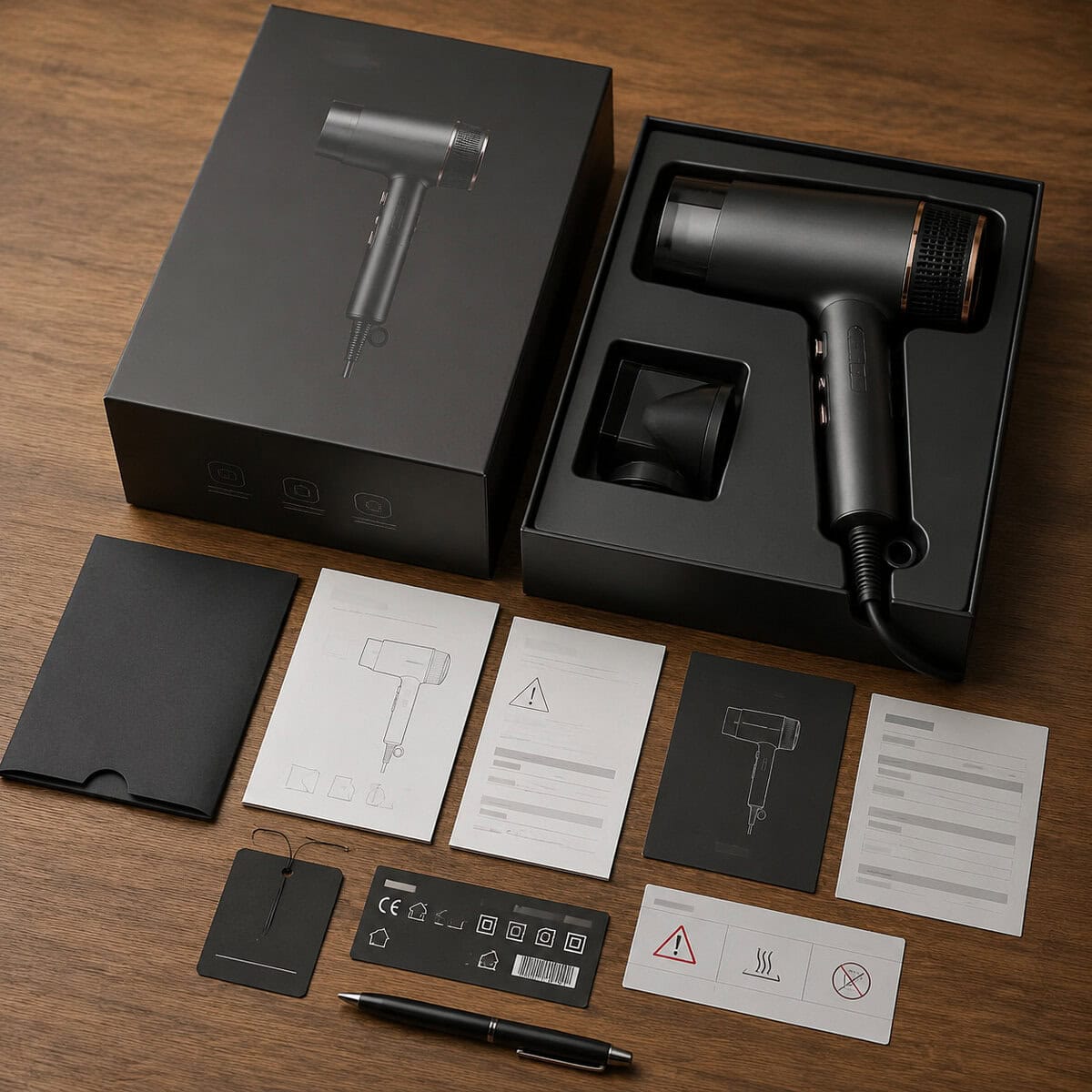
Retail And DTC Packaging
Baile supports color boxes, gift boxes, inner trays, Logo artwork, barcode labels, multilingual manuals and product stickers. The packaging specification identifies the exact dryer model, color, included attachments and printed components. Product orientation and tray contact points are reviewed against the housing finish so the pack protects the cosmetic surfaces while presenting the intended retail configuration.
Controlled deliverables:
- Dieline and artwork revision
- Product, attachment and manual pack list
- Barcode and product-label position
- Inner support and finished-pack reference
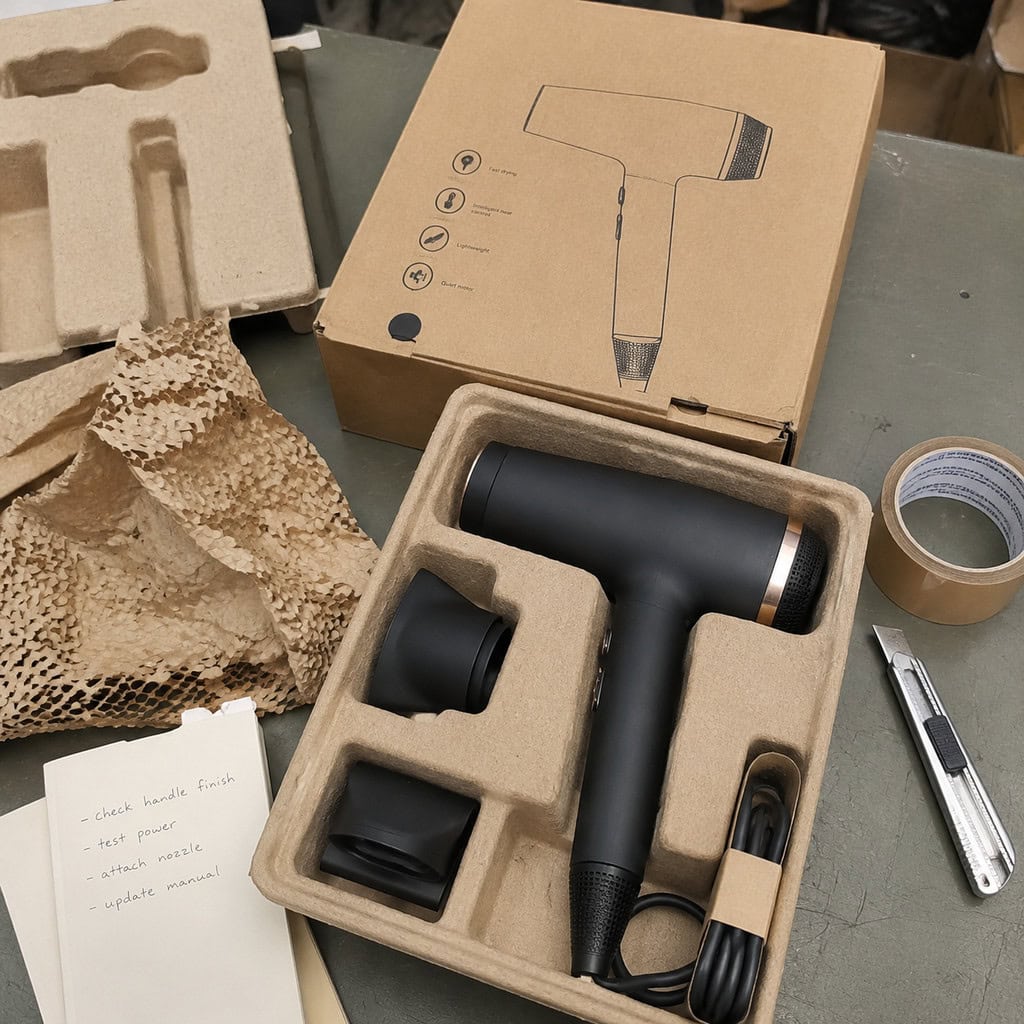
E-Commerce And FBA Projects
Baile can apply the released SKU information, barcode position, product labels, carton marks and transport-protection route for e-commerce shipments. FBA or marketplace instructions are treated as channel-specific, customer-supplied requirements because platform rules can change. The pack-out review checks scannability, item identity, contained accessories and protection from repeated parcel handling.
Controlled deliverables:
- Active marketplace label file
- SKU-to-product mapping
- Parcel protection and carton configuration
- Pack-out image or sample reference
Hospitality Project Kitting
For hotels, apartments, gyms and other engineering channels, Baile can kit the dryer with the defined wall bracket, fasteners, accessories and installation information. Batch or room identification can be applied where the purchasing program requires it. The kitting list controls what must be present in each unit pack or master carton without reopening the approved product configuration.
Controlled deliverables:
- Hardware and accessory quantity per kit
- Installation sheet version
- Unit, project or batch identification
- Master-carton quantity and delivery grouping
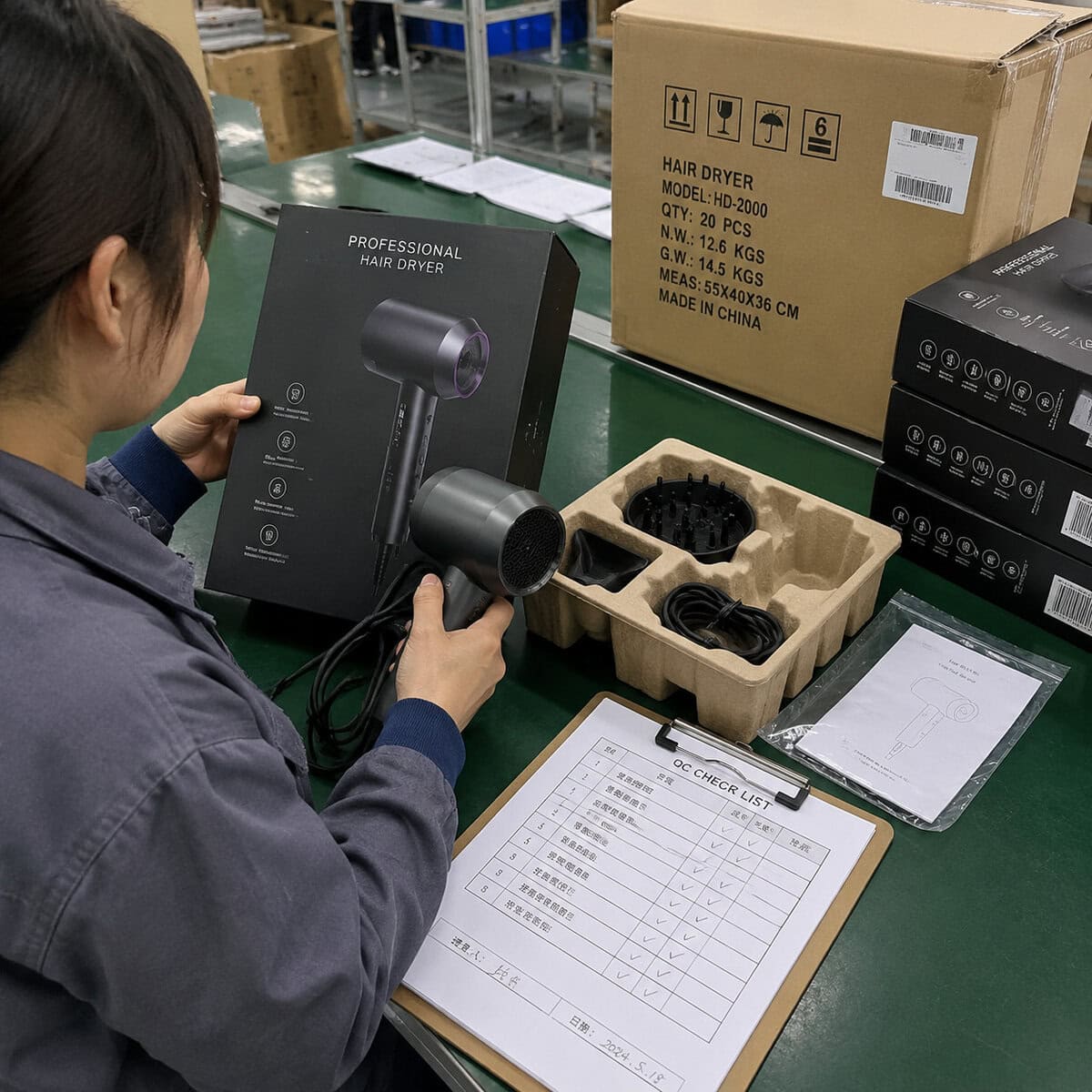
Export Carton Control
Baile defines the outer-carton layout from the finished pack dimensions, quantity per carton, gross-weight requirement and transport route. Carton marks are matched to the released purchase and shipping data. Before dispatch, pack-out checks verify that the physical goods, printed carton identity and quantity agree.
Controlled deliverables:
- Carton specification and pack quantity
- Shipping-mark and destination reference
- Gross and net weight data
- Pallet or loading requirement where applicable
- Final packed-goods inspection record
Control Files, Decisions And Changes Across The Mold Project
Baile gives each hair dryer mold project a controlled baseline for files, decisions, changes and approvals. The control structure separates source-file management, formal decision rights, engineering changes and issue escalation. Engineering, procurement, quality and brand contacts can see which version is active, who must approve the next decision and whether a request affects tooling cost, timing, samples, inventory or production readiness.
Master File Register
Baile creates a project register for the controlled product and tooling files. It identifies the active 3D model, 2D drawings, component references, material direction, cosmetic specification, Logo artwork and mating-part data. Each issued file carries a revision or date reference so an obsolete attachment in an email cannot silently become the manufacturing source.
The register answers four practical questions:
- Which file is active?
- What did it replace?
- Which mold or part does it affect?
- Who supplied or accepted the revision?
This provides one technical baseline for Baile and the customer's engineering, sourcing and quality contacts.
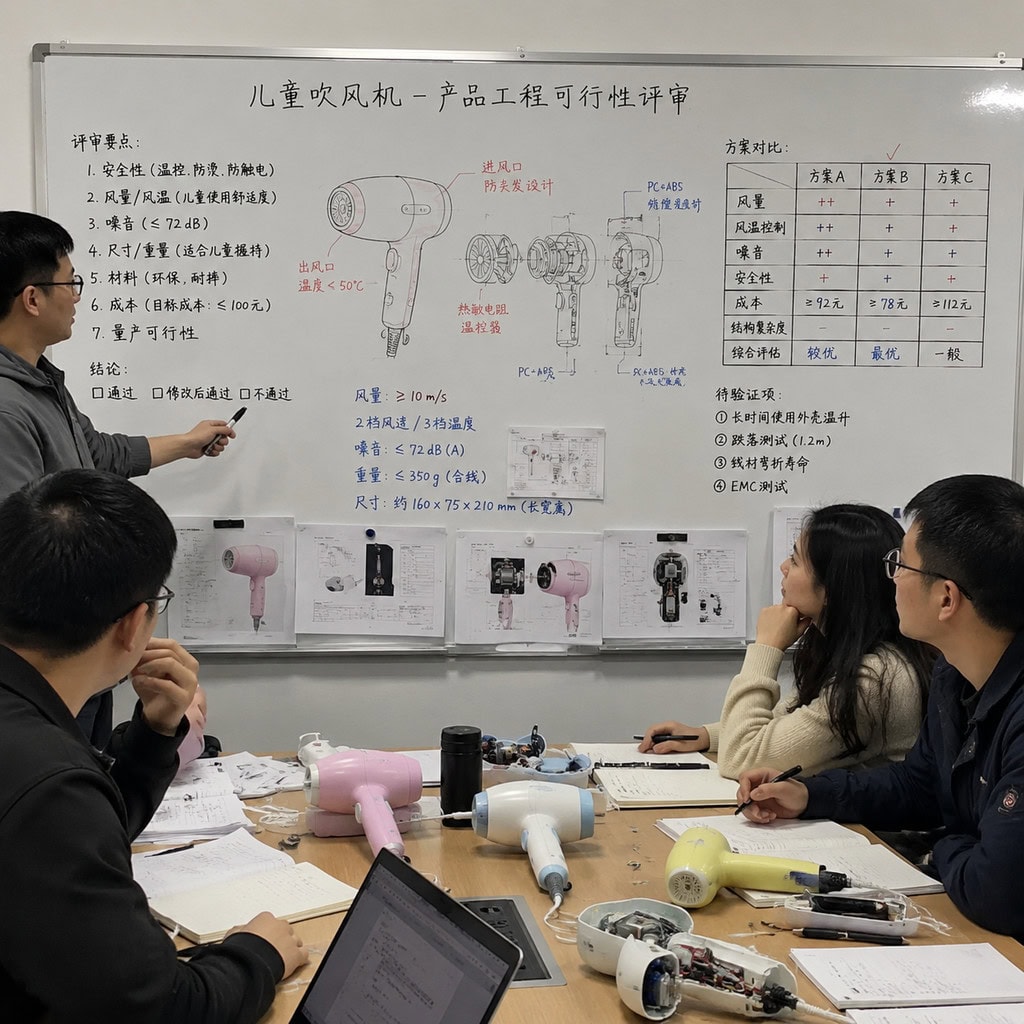
Decision And Approval Matrix
Baile separates decisions that require customer approval from those managed within manufacturing execution. Product geometry, visible-surface boundaries, material, Logo position, major mold concept and sample acceptance remain explicit approval points. Routine process adjustments can proceed within the released standard without reopening the full commercial scope.
The project record identifies:
- Decision topic and required approver
- Information supplied for the decision
- Approval, rejection or open status
- Date and next dependent action
This prevents a meeting comment from being mistaken for formal approval and gives procurement a clearer view of what is holding tooling progress.
Engineering Change Control
When a released design changes, Baile records the reason, affected part, mold action and validation requirement before implementation. The impact review distinguishes a drawing update from a steel change, insert replacement, texture repair, new trial or requalification. Cost and timing effects are identified when the request changes the released tooling scope.
Change control covers:
- Source revision and requested effective date
- Affected molds, components and inventory
- Required rework, retrial or new reference sample
- Approval status before the revised version enters production
This gives large project teams a traceable route for product updates without mixing old and new configurations.
Issue Ownership And Escalation
Baile maintains an open-item record for engineering questions, trial defects, missing approvals and actions that can affect the critical path. Each item has an owner, required input, target response and closure evidence. Issues that change geometry, tooling scope or launch timing are separated from routine follow-up and escalated to the relevant decision contact.
The working record shows:
- Current problem and affected milestone
- Baile owner and customer decision contact
- Containment or next engineering action
- Closure evidence and remaining dependency
This structure helps multinational or multi-department customer teams act on the few decisions that genuinely block the mold project.
Manufacturing Evidence Behind The Mold Workflow
Baile's factory evidence connects the custom mold with the operations that make the finished hair dryer. The six image groups cover tooling, injection, assembly, aging, safety testing and pack-out. Each caption names the visible operation and the project control it represents; customer names, addresses and order identifiers remain excluded from published evidence.
Mold And Tooling Area
Baile's tooling area supports mold preparation, component fitting, inspection and trial readiness for hair dryer plastic parts. A close view of the mold, insert, fitting point or inspection activity shows where parting, movement, surface condition or tool assembly is controlled before injection. The evidence is tied to the specific housing or component being developed.
Injection Production
Baile operates 100+ injection-molding machines for ABS, PC and PP plastic parts. The injection image can show the assigned machine, resin preparation, molded housing or part inspection point. The visible evidence connects machine selection, color and surface control with the repeatable production of the component released for the hair dryer project.
Assembly Line
Baile operates 10 automatic and semi-automatic assembly lines with automatic screw fastening, laser welding and function-test stations. An identifiable station shows how the molded housing is joined with the motor, heating assembly, controls, cord and attachments. The caption connects the visible fastening, wiring or function check to the finished product route.
Aging Test Room
Baile operates 12 independent aging test rooms, with approximately 50 to 100 products held in each room for continuous operation testing. The visible racks or test units represent checks selected for the model, such as temperature, wind performance, heating power or ionic function. The record connects the test condition to the defined reliability requirement.
Safety Laboratory
Baile's laboratory supports wind, temperature, noise, withstand voltage, grounding resistance, leakage current, voltage/current and cord-swing checks. A visible instrument and test unit show how the electrical configuration and operating performance are measured for the finished dryer. The test scope follows the product model, voltage, plug and applicable market route.
Packaging And Shipment
Baile's packing area handles color boxes, manuals, labels, accessories, master cartons and shipment preparation for custom hair dryers. The visible pack-out evidence shows how product identity, quantity, protection and carton information are checked before dispatch. The image remains factual while customer-sensitive names, addresses and order numbers are removed.
Manage Hair Dryer Tooling Beyond The First Product Launch
Baile keeps the mold, active product revision and production history connected after the first launch. The controls below support mold reactivation, forecast-based allocation, revision roll-in, traceability and corrective action for brands that expect a custom housing platform to remain usable across multiple purchasing cycles and product variants.
Mold Reactivation
Before a stored mold returns to production, Baile checks its identity, active part revision, maintenance status and known control points. A first-article check is required after mold repair or a relevant process change. This prevents an earlier tool condition from being assumed valid for a new order without verification.
Forecast-Based Allocation
Baile connects customer forecasts with molding-machine, component, assembly-line, aging-room and packaging capacity. Monthly or phased delivery plans are reviewed against the available production route. Reserved quantities and dates become effective only through the confirmed order and schedule, keeping planning assumptions separate from committed capacity.
Batch Traceability
Baile's traceability scope can connect order number, production date, material batch, production line, operating records, QC records, packaging records and shipment records. When follow-up is required, the affected batch can be separated from unrelated production, giving the quality team a defined evidence set for analysis.
Revision Roll-In
For a housing, component, color or artwork update, Baile records the effective revision and checks remaining materials, parts and packaging before the change enters production. The roll-in plan defines whether existing inventory can be used, separated or reworked and which new reference applies to the next batch.
Corrective Action
When Baile receives a quality report, the follow-up can use product images or video, batch information, use conditions and failure details. The quality team reviews production and inspection records, analyzes the cause and defines an appropriate response such as replacement parts, rework or a future process improvement.
Platform Extension
An accepted housing platform can support later color, Logo, accessory or packaging variants when the underlying product and compliance route remain suitable. Baile checks whether each requested extension uses the existing mold unchanged, needs a replaceable insert or requires a separate tooling action before the new commercial version is released.
Hair Dryer Custom Mold Making FAQ
These answers cover the engineering, tooling, injection, testing, compliance and delivery questions most relevant to a custom hair dryer mold project. They also state Baile's usual new-tool MOQ range and first-sample planning window. Final cost, quantity, schedule and certification scope remain specific to the released product information.
Can Baile develop a new mold for my hair dryer housing?
Yes. Baile supports product structure review, DFM, mold development, trial production, sample revision, plastic injection molding, assembly and testing for new hair dryer housing and related component projects.
Which hair dryer parts can be included in the mold scope?
Baile can include main housings, handles, air inlet parts, control housings, concentrators, diffusers, wall-mount parts, stands and related accessories. The final scope follows the drawings, samples and product configuration released for the project.
Which plastic materials does Baile support?
Baile supports ABS, PC and PP injection molding. The selected material is matched to appearance, heat exposure, impact, shrinkage, assembly fit, surface treatment and the applicable product test plan.
Can Baile continue from mold making to finished hair dryer production?
Yes. Baile provides mold development, injection molding, product assembly, function testing, electrical safety testing, aging testing, packaging customization and shipment coordination within the OEM/ODM workflow.
How does Baile control sample and mass-production consistency?
Baile uses first article confirmation, signed reference samples, limits samples where required, process inspection, functional testing, packaging inspection and final outgoing inspection. The confirmed reference becomes the production standard for the approved order.
What information is needed for a mold quotation?
Useful inputs include 3D files, 2D drawings, reference samples or images, part material, surface finish, cavity plan, estimated quantity, target market, product configuration and packaging requirements. Tooling cost and timing are quoted after the required project inputs are defined.
Does Baile provide mold steel and cavity recommendations?
Baile includes mold steel, cavity layout, gate, cooling, ejection and mold standard decisions in the tooling review. The final tooling specification is confirmed against part geometry, material, surface requirement, production quantity and maintenance expectations.
What tests can be included for the finished hair dryer?
Depending on the model, Baile can include wind speed, airflow, outlet temperature, noise, voltage/current, withstand voltage, grounding resistance, leakage current, cord swing, drop, packaging and aging tests.
Can Baile support European and North American projects?
Baile supports global voltage, plug, labeling, manual, packaging and applicable certification or testing coordination for EU, UK, North American, Japanese, Korean and Australian/New Zealand projects. The final documents are confirmed for the specific model and market.
How are MOQ, mold cost and lead time confirmed?
New mold projects usually start from 3,000 to 5,000 pieces, depending on tooling cost, structural complexity and development depth. Baile normally plans the first new-mold sample within 45 to 75 days, subject to the released geometry and project inputs. Final mold cost, MOQ and timing depend on the material, cavity plan, tooling standard and required revisions.